Solar Struggles and Starry Nights: Tsendze and Beyond
As I mentioned in our last post, our departure for Tsendze was delayed by a bit of roadside camaraderie. Waldo and Desiré, fellow campers, had car trouble, and Alec offered to help. After a trip to Phalaborwa and some mechanical magic, the comforting roar of Waldo’s engine signalled success. We packed up, said a warm farewell to our new friends, and finally hit the road.
The drive to Tsendze was lovely—clear skies and a gentle warmth that would later climb to a blistering 37°C. We stopped at Mopani Camp to check in, where the ever-friendly ladies at reception greeted us with their usual friendly faces. Tsendze is one of the few Kruger camps where sites are allocated, so after receiving our spot, we drove the eight or so kilometres back to the entrance.
The gates at Tsendze are a bit of a landmark, and as always, Alec did a quick scan of the bush to ensure I wouldn’t become a widow before opening them. We found campsite #5 and were thrilled to see a large tree offering generous shade—much needed, as the heat had become oppressive and there’s no electricity at Tsendze. Our aircon was out of the question, so we relied solely on our 12V system to keep the fridge and lights going.
Once the van was set up and the solar panels laid out to catch what sun they could, we returned to Mopani for a lazy lunch on the deck overlooking Pioneer Dam. The elephants were having a glorious pool party—splashing, playing, and generally making us wish we could join them.

Back at camp, the afternoon drifted by as we enjoyed the birds and squirrels in the surrounding bush. As evening fell and the heat softened, we settled in with our customary drinks and opted for a simple sandwich supper, still full from lunch and not quite ready to brave the stove.
As tradition goes, Roger popped by to welcome us. He’s a fixture at Tsendze — knowledgeable, kind, and always ready with a story. He apologized for the foot traffic near our site; a nest of barn owls had drawn curious children from across the camp. Roger’s passion for and knowledge of the birds and animals of the area is encyclopaedic, especially when it comes to owls. It’s always a pleasure chatting with him.
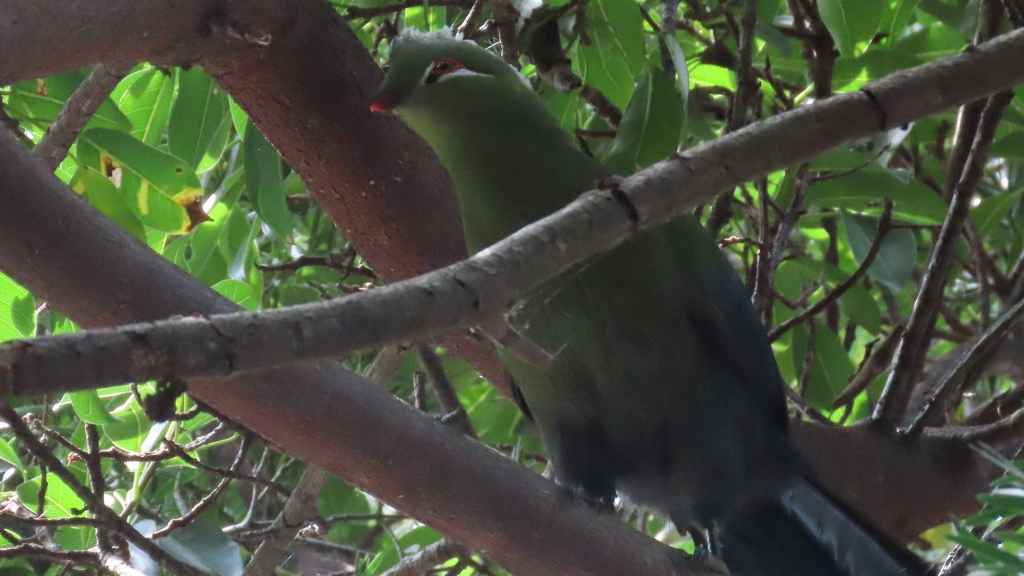
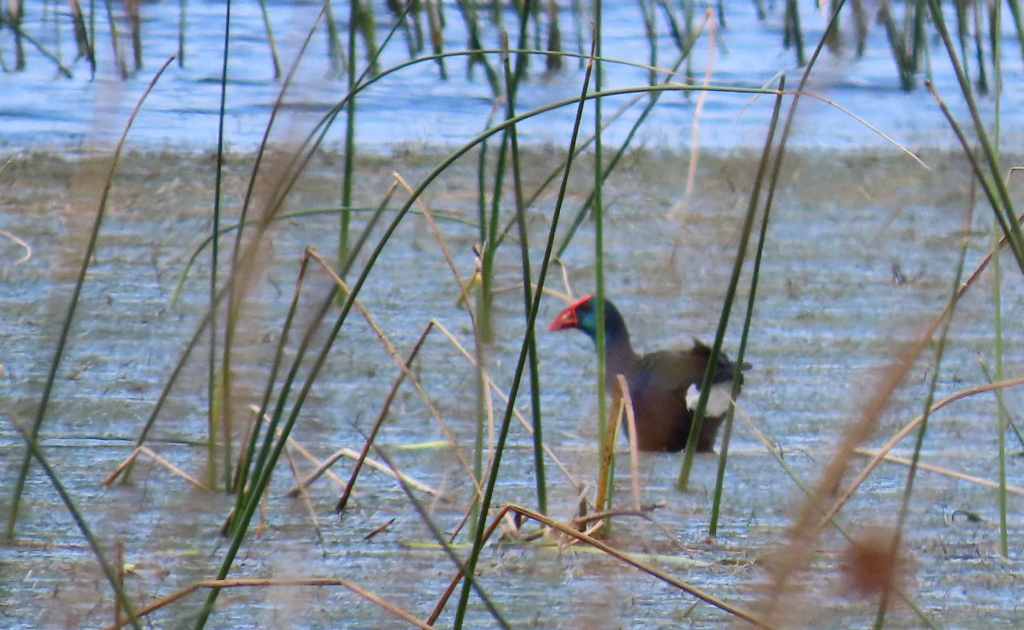
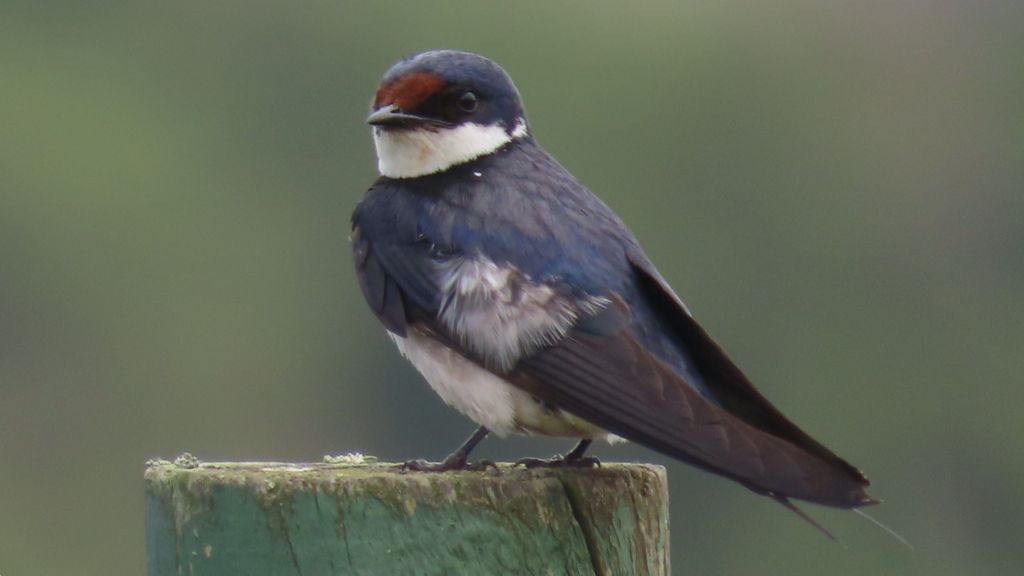
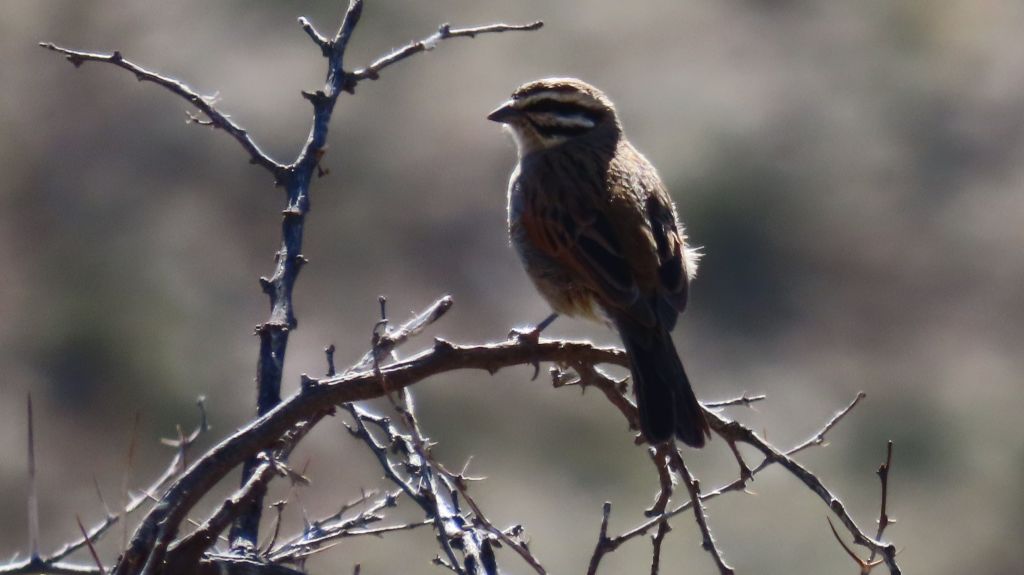
Kruger’s bird life felt like a living field guide. We enjoyed watching them in camp and on our drives. There were many different species but there are a few that are our favourites.

A majestic martial eagle
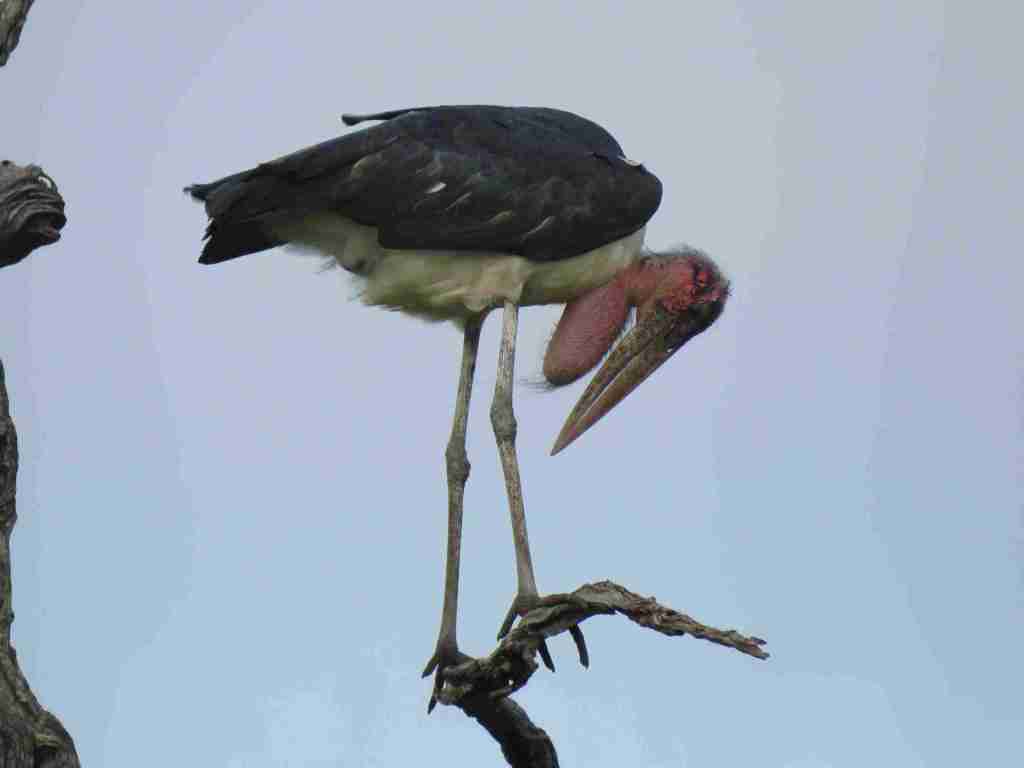
Marabou Storks were at the end of the line when looks were handed out
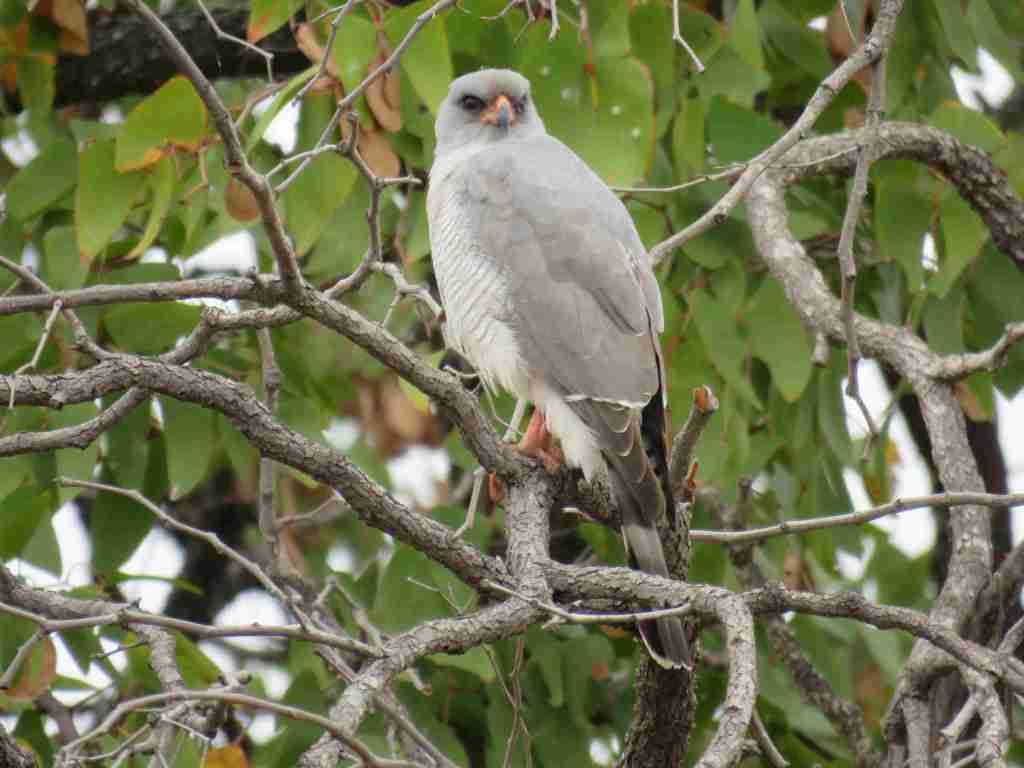
A Pale Chanting Goshawk peers out

Mocking Cliff Chat poses beautifully

Ford Tailed Drongos were everywhere
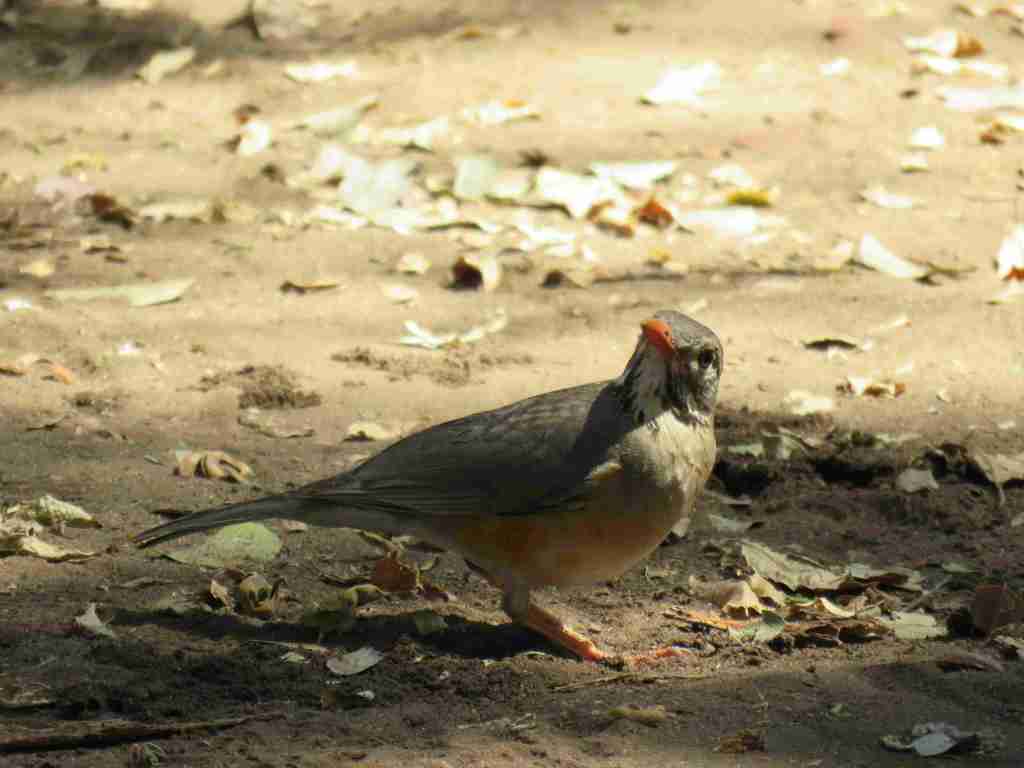
A Kurrichane Thrush looks for supper
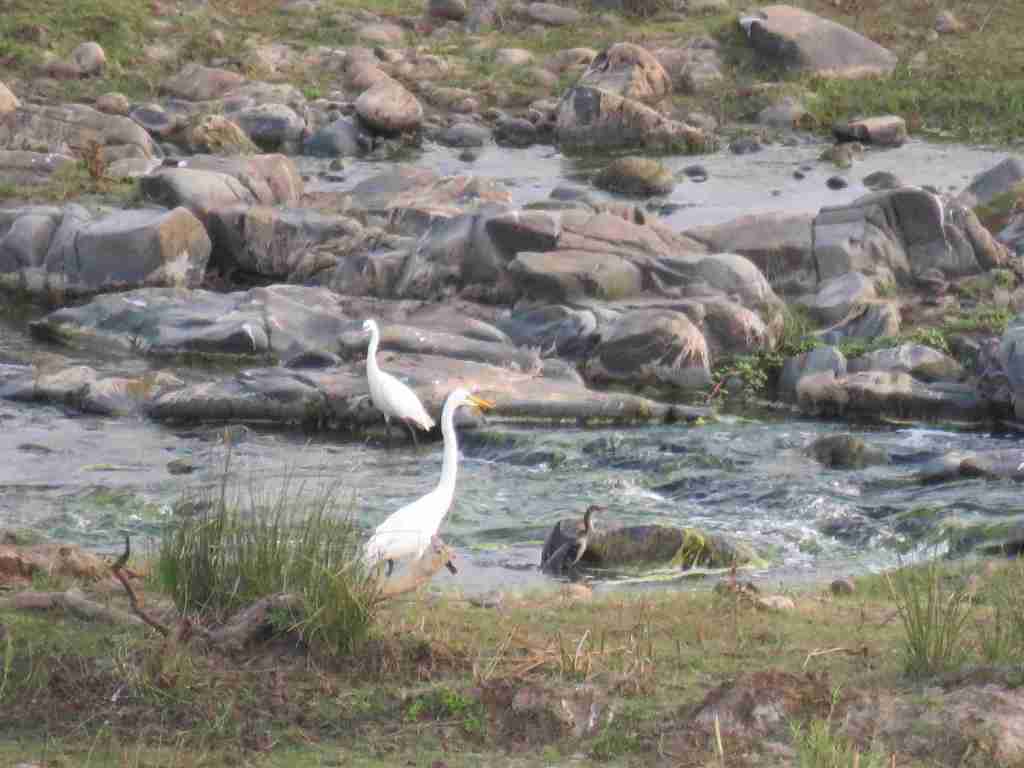
Egrets and a Cormorant look for supper
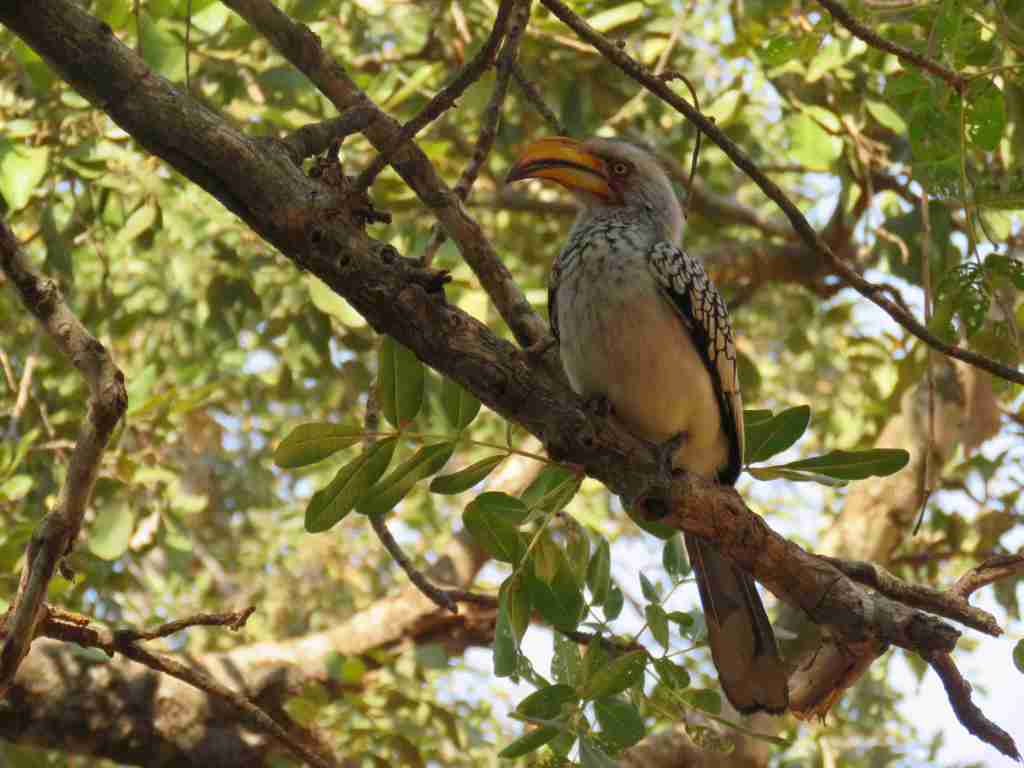
Alec’s favourite Bird – Yellow Billed Hornbill

Burchells Coucal dozes in the sun
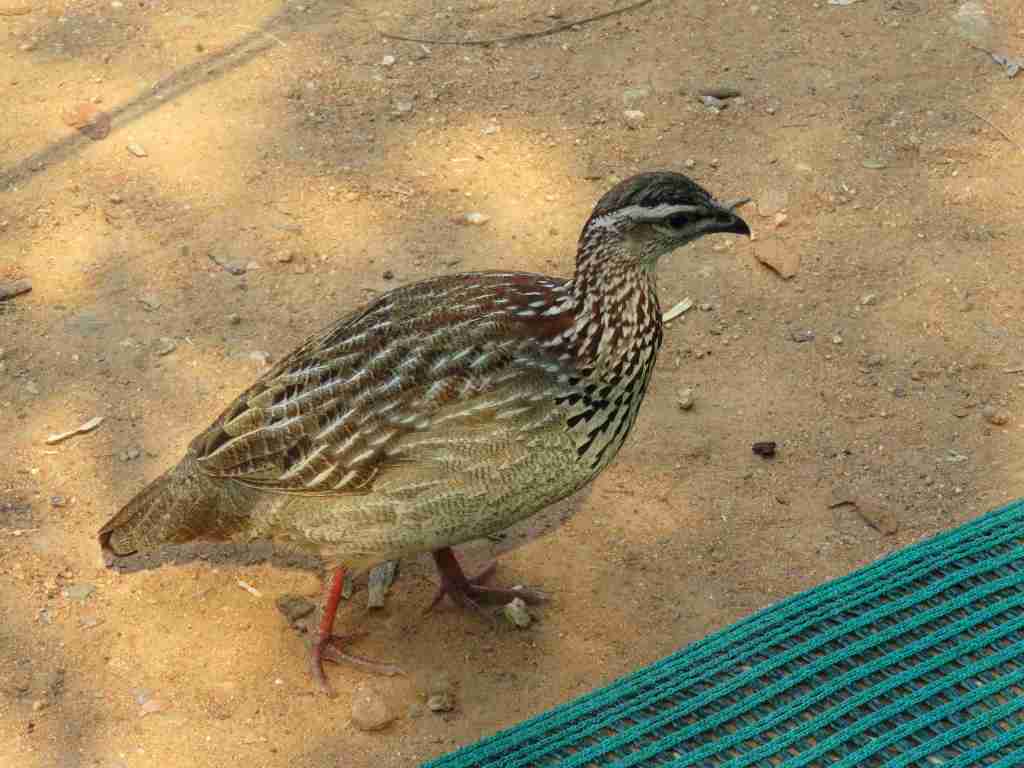
Crested Francolin are accomplished beggars
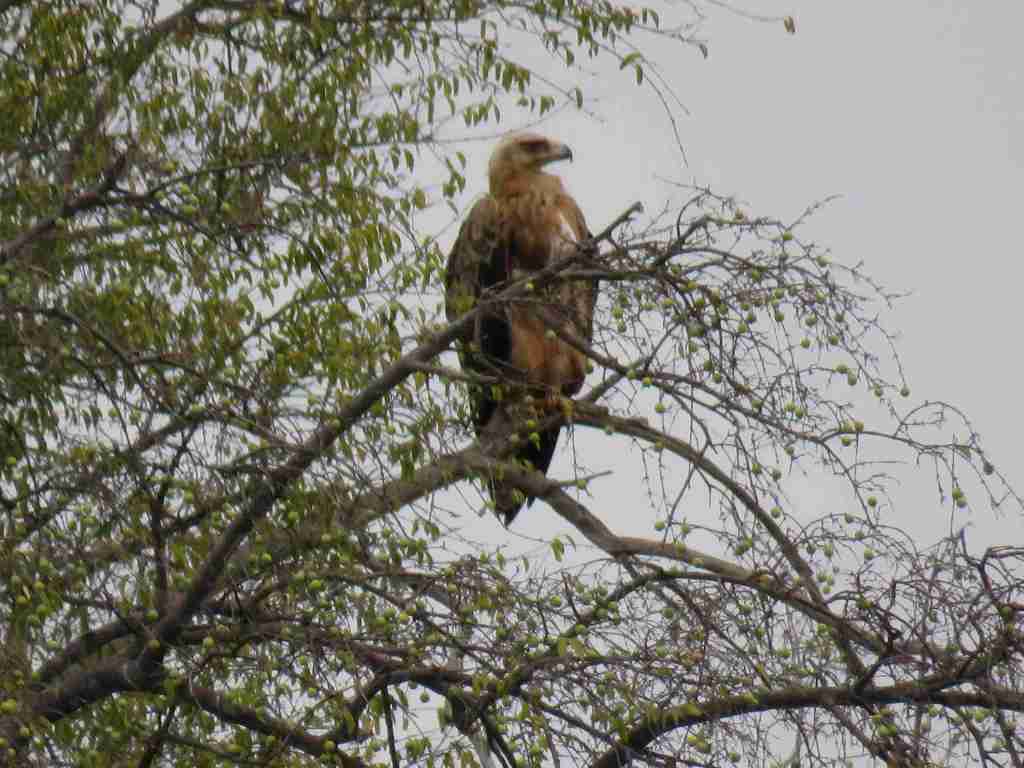
Gorgeous Tawny Eagle

Bennet’s Woodpecker
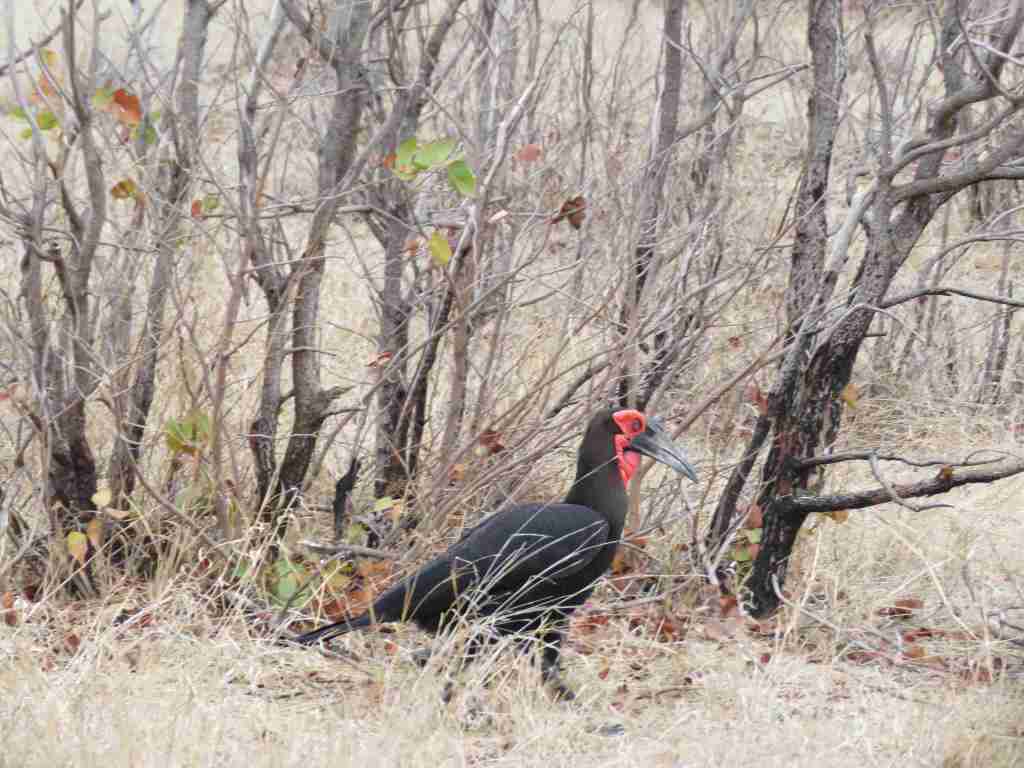
Southern Ground Hornbills

Beautiful mature Bataleur

White fronted Bee Eater waiting for prey

Busy Magpie Shrike

African Jacana forages in the shallows
After a refreshing shower, we turned in early, eager to explore the area the next day. But morning greeted us with thick cloud cover — a camper’s nemesis when relying on solar power. Our panels, usually reliable in partial sun, couldn’t keep up under the heavy skies. With our battery struggling, we made another trip to Mopani to see if we could swap our booking for a powered site at Letaba. The receptionist worked her magic and found us a place one night, which was better than nothing, especially with school holidays filling up the camps.
We packed up and headed back to Letaba, grateful for the reprieve and already making mental notes about upgrading our electrical setup. Lithium batteries? Better panels? A puzzle for another day.
Letaba welcomed us with a lovely site, and we spent the afternoon revisiting some of our favourite spots—the bridge over the river, Engelhart Dam, and the loops off the Phalaborwa Road. Kruger, as always, delivered. One of my favourite sightings was a line of elephant bulls marching out of the bush to drink at a reservoir—majestic and utterly grounding.

On a blazing day these zebra needed a drink

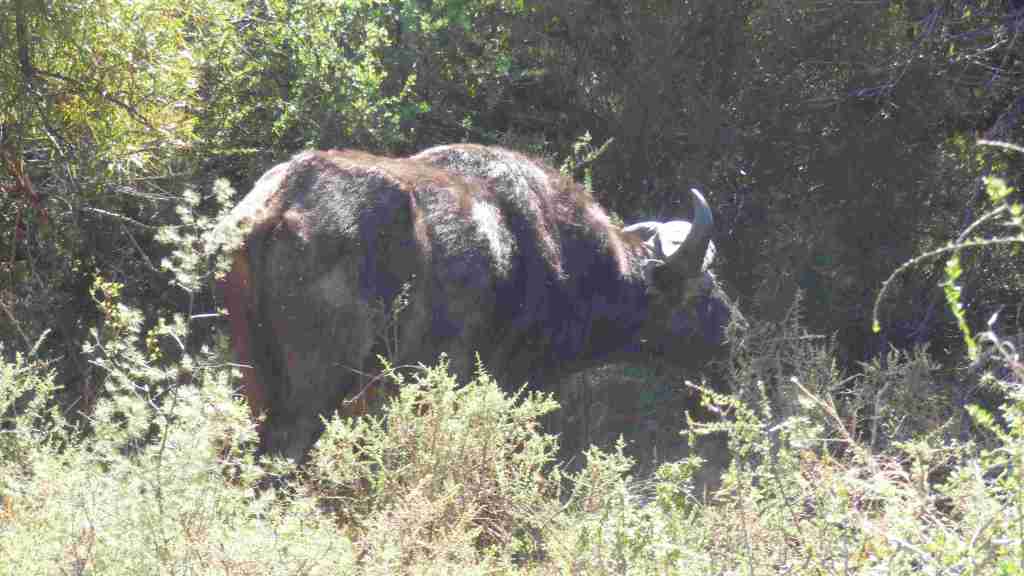
Buffalo also drinking at the same waterhole
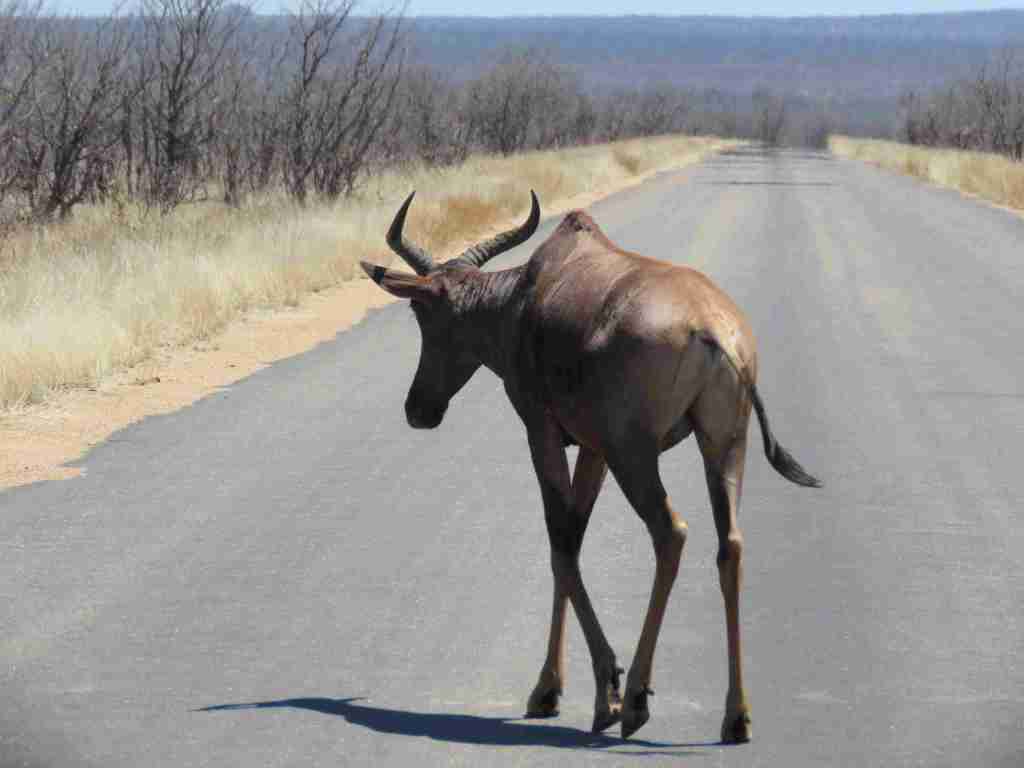
An unusual Kruger sighting – Tsessebe
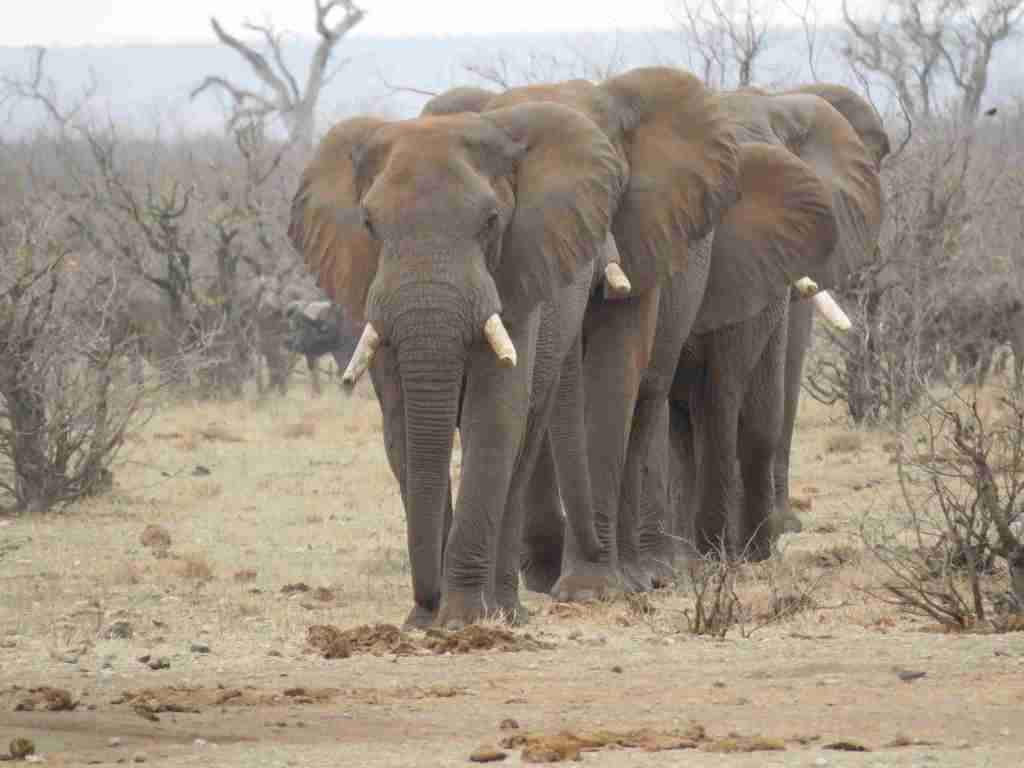
Five Bulls in a row
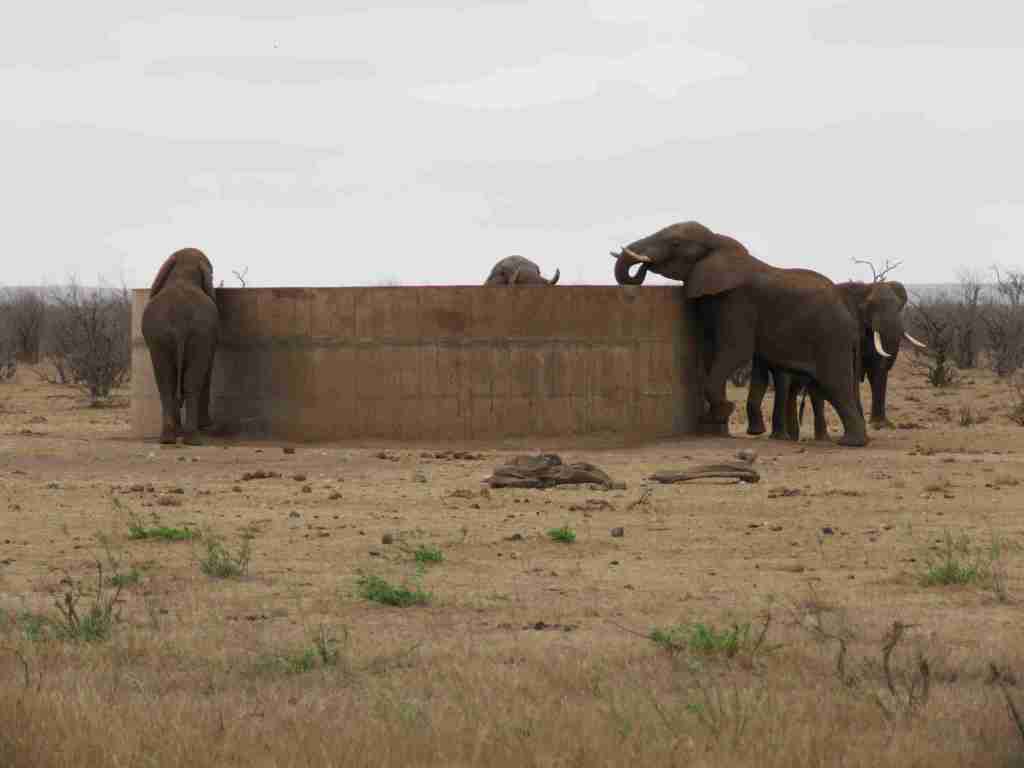
Enjoying the freshest water

Hippos ignore the Yellow-billed Storks

Some of the most fearsome jaws in nature

Giraffe necking – some of those hits must have hurt

Waterbuck bulls are more interested in the ladies than us
Just outside camp on our final drive, we had one of those rare sightings that makes you blink twice and wonder if your eyes are playing tricks. We were meandering along the river loops when a flash of white darted across the road in front of us. We stopped immediately, and there it was—perched to the left, a pure white squirrel. I scrambled for my camera, but of course, it chose that moment to focus on the nearest leaves. By the time I’d adjusted, the squirrel had vanished into the undergrowth.
Whether it was a true albino or leucistic, I couldn’t say. But what struck me most was how starkly its snowy coat stood out against the muted tones of the bush—like a tiny beacon in a world of camouflage. It’s a wonder it’s survived to adulthood, given how visible it must be to every predator, feathered or four-legged. We could only hope this little ghost of the veld continues to evade its predators.

My out of focus pic of the squirrel
Back at camp, we found ourselves surrounded by twelve Maui motor homes, all part of a French tour group. They’d formed a loose circle, and our little Gecko stood out like a lone ranger. The evening was quiet, punctuated by night sounds and snippets of French conversation drifting through the air.
The next morning marked the start of our 2,000-kilometre journey home. As always, leaving Kruger felt like leaving a piece of ourselves behind.

Sunset on our holiday!
Impressions of Kruger
This visit brought a pleasant surprise: signs of real maintenance. Letaba now has a new electrified diamond mesh fence, and the new shop is a welcome upgrade. The debris from the old, burned-down shop has finally been cleared. Though we were a bit unsettled by the sight of a large animal trap near the campsite—what exactly were they hoping to catch?
Across the camps, things looked more cared for. Gardens were tended, paths swept, and for the first time in ages, we didn’t spot toilet paper strewn along the loops near the Letaba River. On our last visit, it had been a real eyesore.
We had a wonderful time—short, but rich with wildlife, quiet moments, and the kind of peace only the bush can offer. There’s nothing quite like sitting under a sky full of stars, drink in hand, the scent of roasting meat in the air. The calls of Scops Owls and nightjars blend with jackal howls, hyena whoops, and every now and then, the deep, primal roar of a lion.
Kruger is more than a destination—it’s a balm for the soul. And it’s a place we’ll keep returning to, again and again.

























































































 Adventuring into Retirement