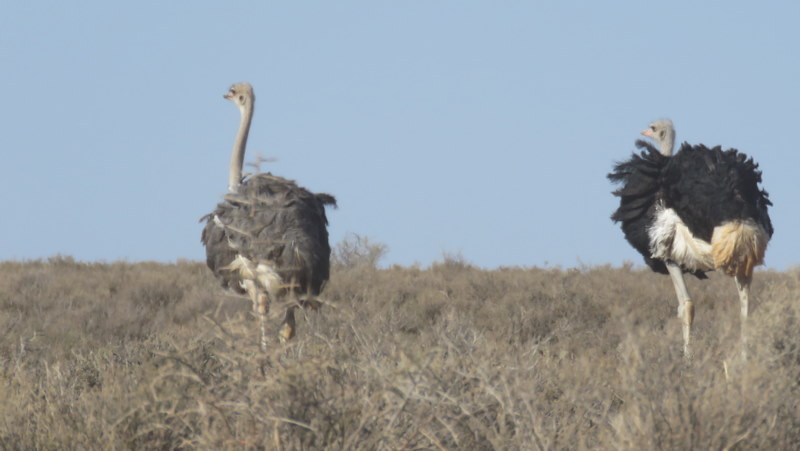
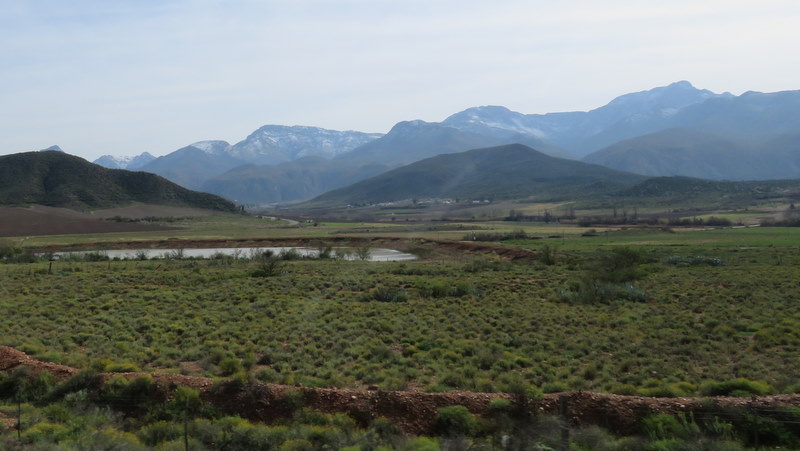
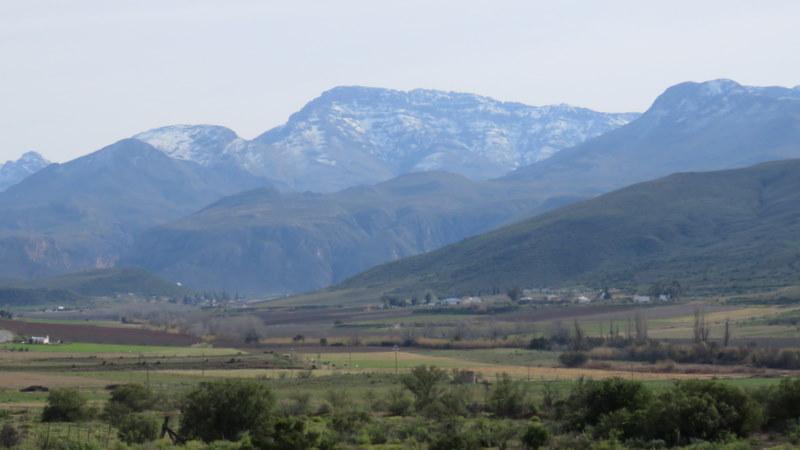
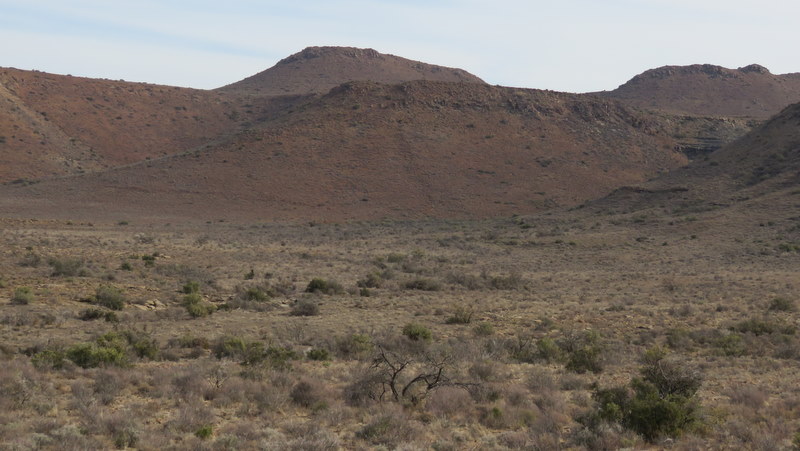
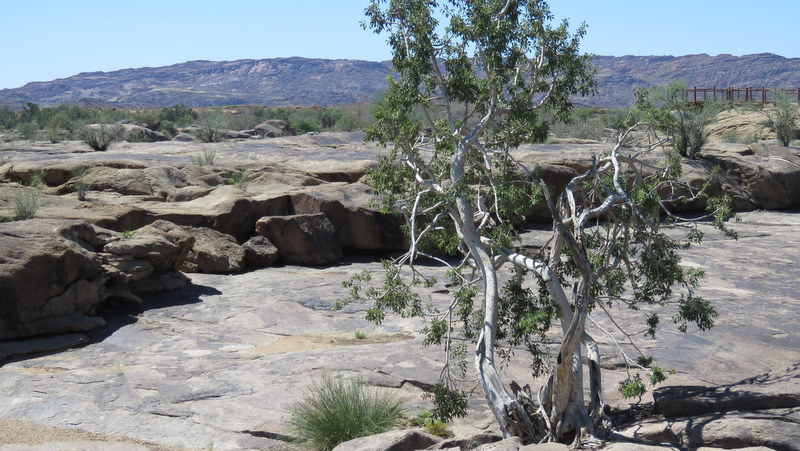
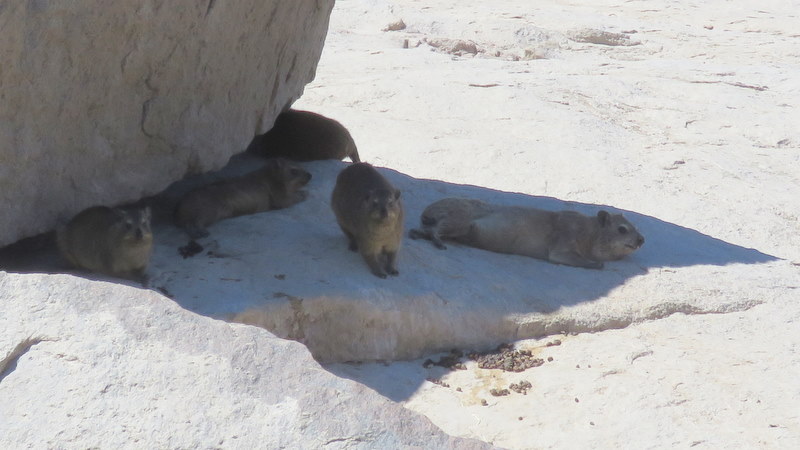
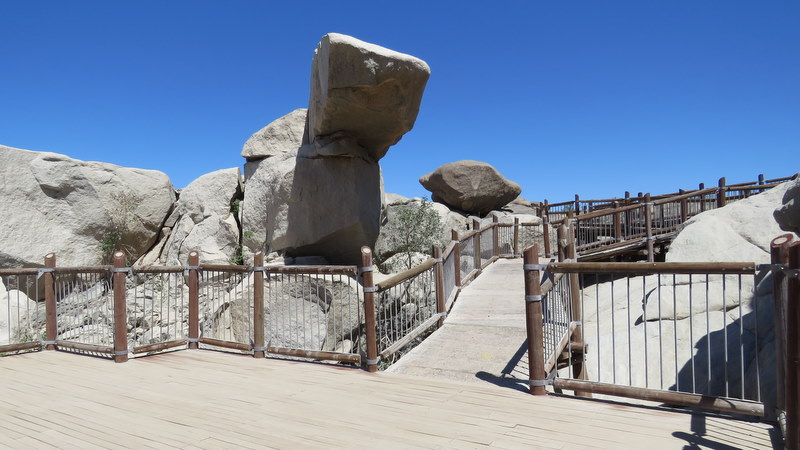
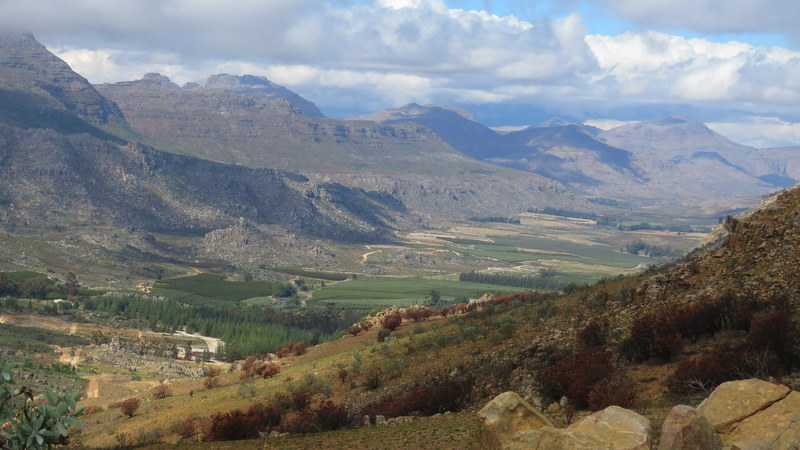
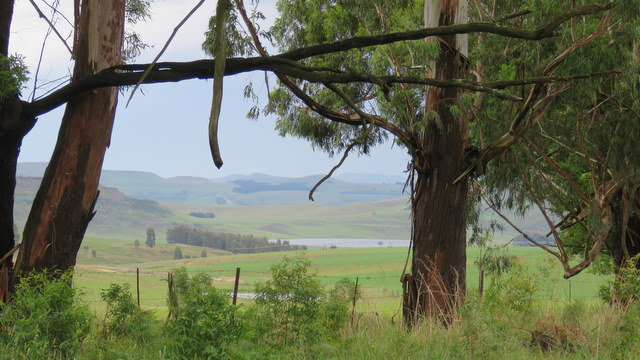
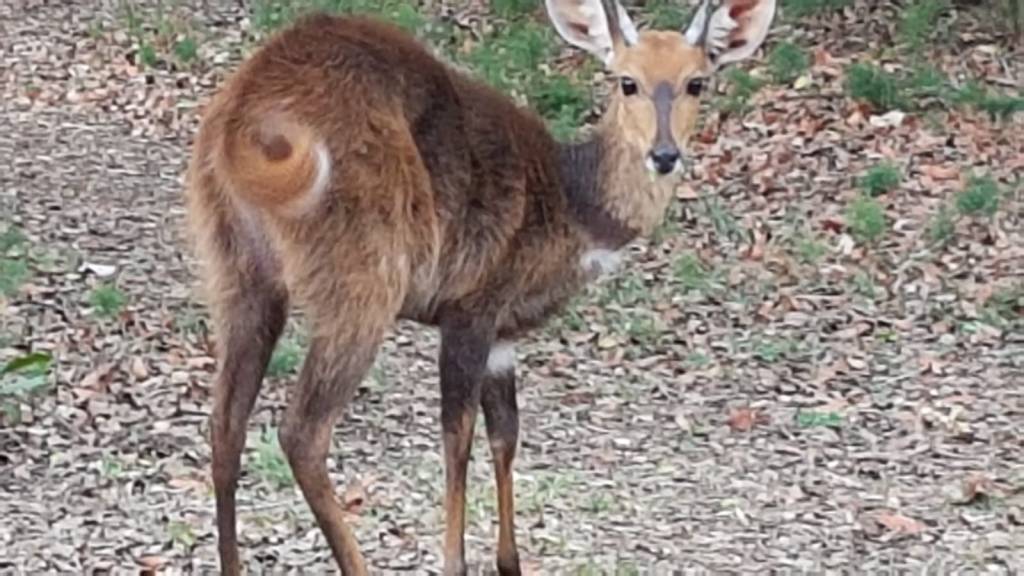
The Earl and I did a long circular drive. One section was called “klipspringe” but none put in a appearance and the birds and other animals seemed to be in hiding too. This I am sure was probably because they were sheltering from the wind somewhere. However, the scenery was spectacular and what we saw was awesome.
The wind blew all night and when we arose at 08h00 this morning it had not died down! I have to admit it was difficult to extract myself from my warm and cosy bed but when I did I found that it was not that cold outdoors. The mercury was soon up to 17 degrees C. After a compulsory cup of strong, hot, black coffee and a rusk with our travelling companions we got ourselves ready for some exploring.



It was around 1 o’clock when we returned. After doing some camp chores and catching up with emails and social media the others took a nap and I did the rest-camp trail. The wind was howling so it was not very pleasant but interesting nonetheless. I started on the south trail which had detours to see things of interest and then joined the north trail to complete the circuit.

Along the route certain of the plants were labeled but they all looked the same to me. It was very dry and nothing was flowering.

One of the detours took me to an olden day hyaena trap. Early stock farmers tired of losing their stock to jackal, hyaena, leopard and other predatory wild animals would build these traps

The bait was secured to a pin at the rear of the trap. A rawhide rope would be covered with animal fat and attached to the bait at one end and to the pin on the trapdoor at the other end. When the animal tugged at the bait the rope would tighten and release the trapdoor. A small aperture (usually blocked by a stone) was located above the bait enabling one to see into the trap. The farmer would insert a rifle or assegaai through the aperture and kill the poor trapped thief.
Sadly, the use of these traps contributed to the extinction of the brown hyeana in the karoo.
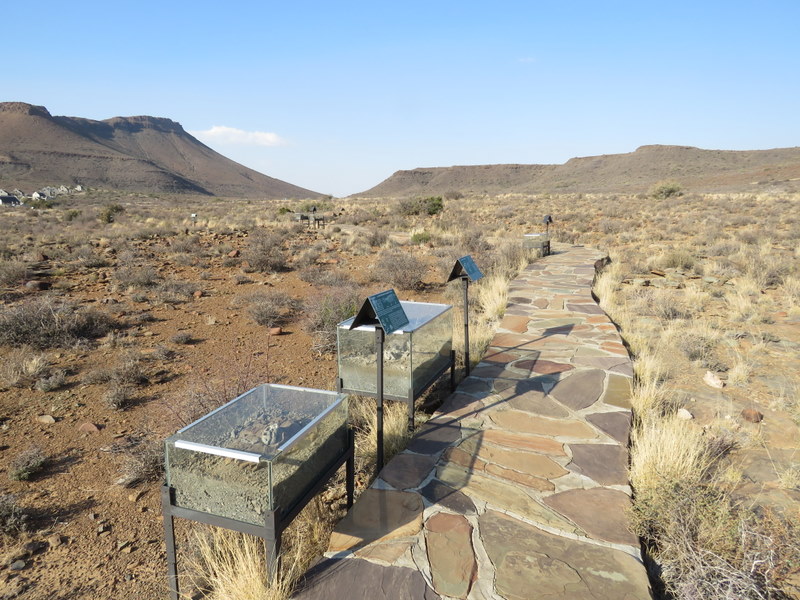
I also detoured to a wonderful fossil trail which would delight anybody interested in paleontology. The Karoo is very rich in fossils of terrestrial animals from the Permian and Triassic geological periods. The 300m paved trail, has collections of fossilized creatures in glass cabinets each having a signboard explaining its exhibit.
These Karoo wildlife fossils are from 255 million years ago. Today the Karoo is a dry semi-desert but 300 million years ago it was a sea.
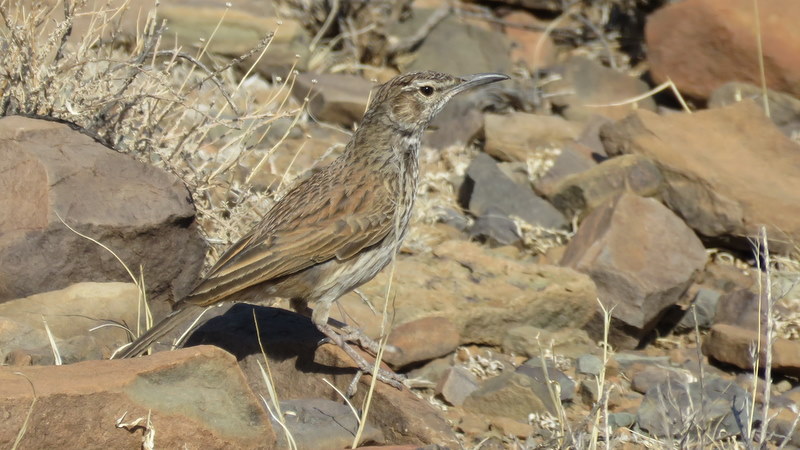
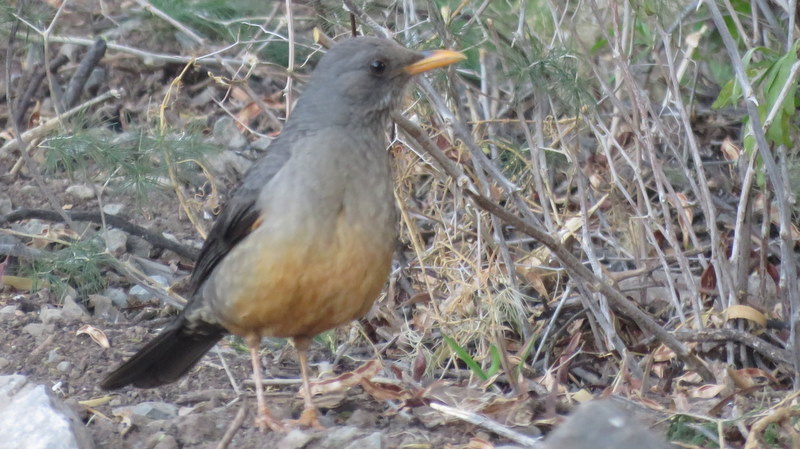
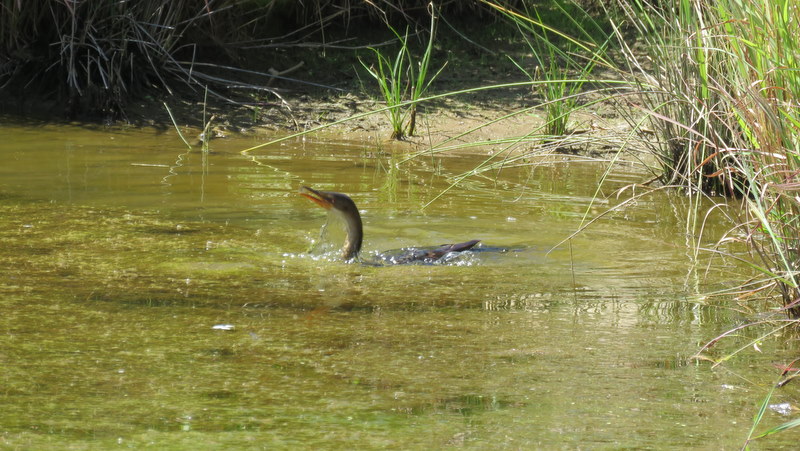
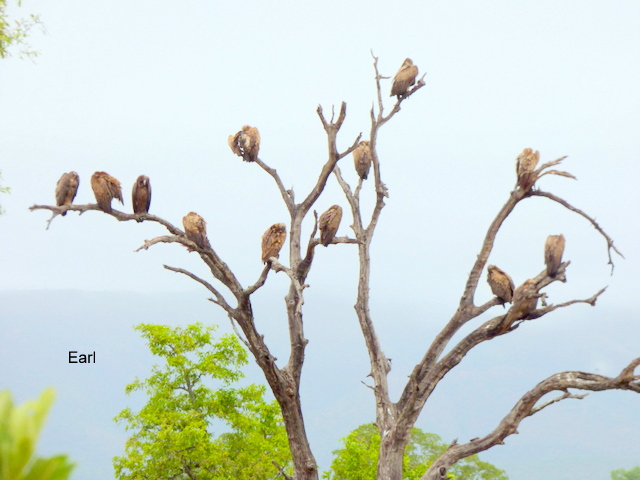
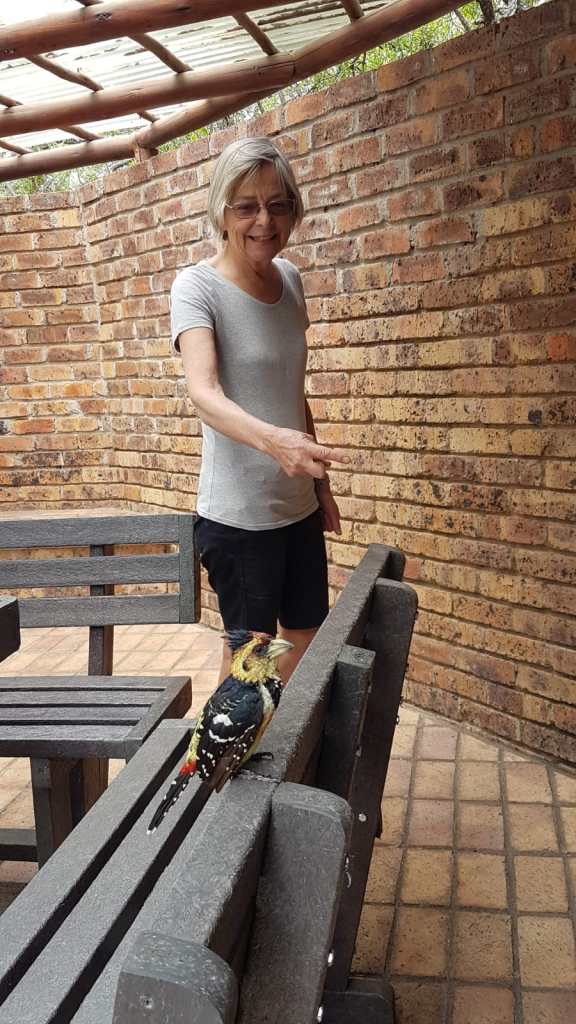
Of course I was also on the lookout for birds.
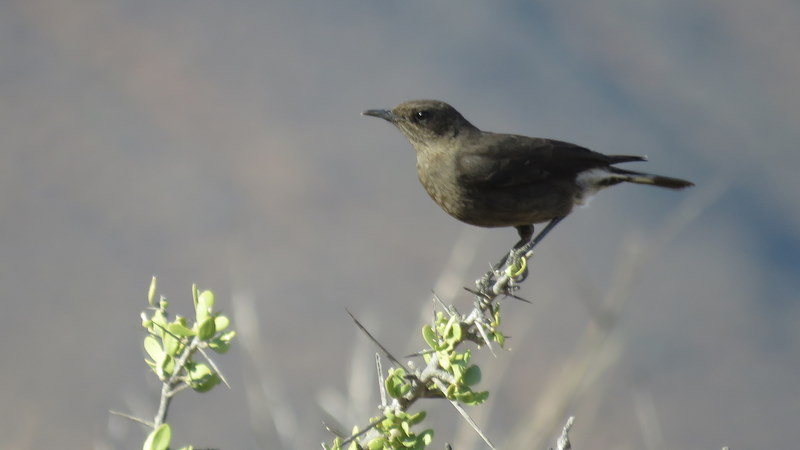
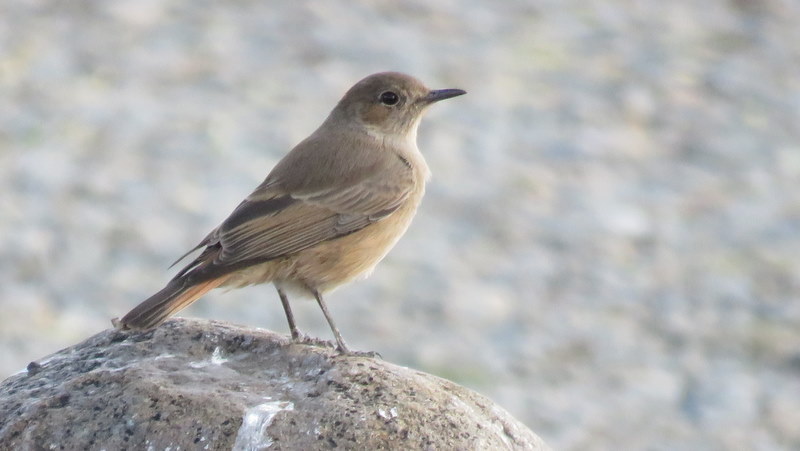
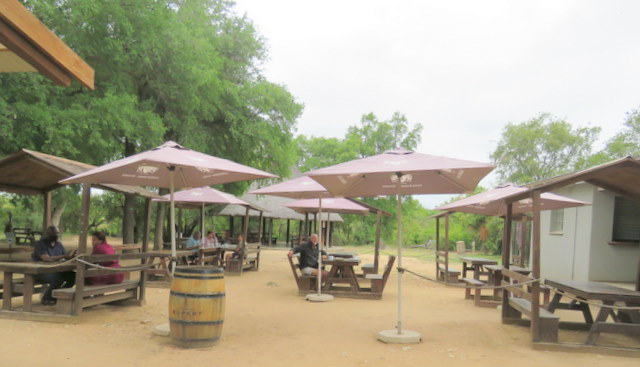
It was tea-time when I returned and it was a relief to escape the gusting wind.
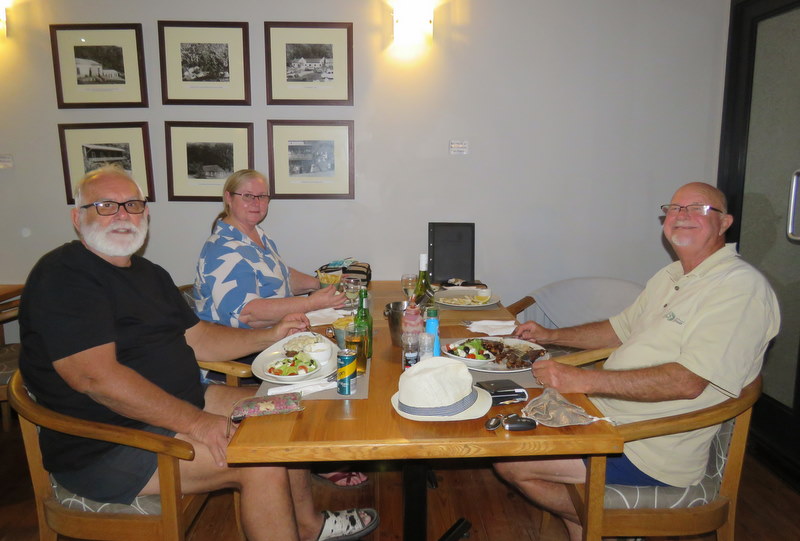
For supper we once again went to the restaurant and all had the ox-tail which was excellent.
Tomorrow we leave for Kimberley.



















































 Adventuring into Retirement