Here are my answers to this week’s Share Your World from Sparks.
- What’s the most useful thing you know?
The most important thing I ever learned was how to read. The second thing I learned was how to type. Okay first I had to learn how to write and I am glad I learned that first but typing has been more useful to me. Learning to type was not considered an important skill at school and only if you intended on going into a secretarial career were you encouraged to learn it. Well, I did not ever work in an office but my typing skills have been extremely useful to me as I used them throughout my teaching career. And the ability to touch type turned out to be extremely useful when personal computers became an essential tool in our modern world.
Knowing how to read and type are the two things I am extremely grateful to know how to do.

- What impact do you think it would have on the world if bananas were illegal?
Bananas are a nutritious fruit and as I eat at least one every day I consider them pretty important to the world. I cannot imagine why they would be made illegal but of course, this is in SYW land. Perhaps it would be because they contained too march starch and starch makes you fat. So in order to get the world back in shape, bananas would be banned as would other foods that contained too much carbohydrate. The result would be a world of super skinny people!
(This is all tongue in cheek – of course, we need carbs as well as other food groups to have a healthy, balanced diet!)

- What social stigma does society need to just get over?
A lot of things that were socially unacceptable and stigmatised are no longer so now. Society can get over stigmas but too much acceptance of things that are not socially acceptable can become a problem too. I think society should shun men or women who don’t pay maintenance and neglect the care of their children. It is incredible how many people just get away with it and society tends not to stigmatise them!

- Do you prefer the moral viewpoint of consequentialism*, which focuses on the consequences of actions, or deontology,* which focuses on the innate rightness or wrongness of the actions themselves?
This is a complicated question but there is a fine line between what is innately right or wrong depending on the circumstances so I tend to lean toward consequentialism. Choosing to do the right thing usually causes good to come of that action. If one has a good sense of right and wrong then considering what to do in certain circumstances rather than following a set of rules for their own sake would cause one to make the right decision.

GRATITUDE SECTION (As always optional)
Please feel free to share something good that happened to you in the past week.
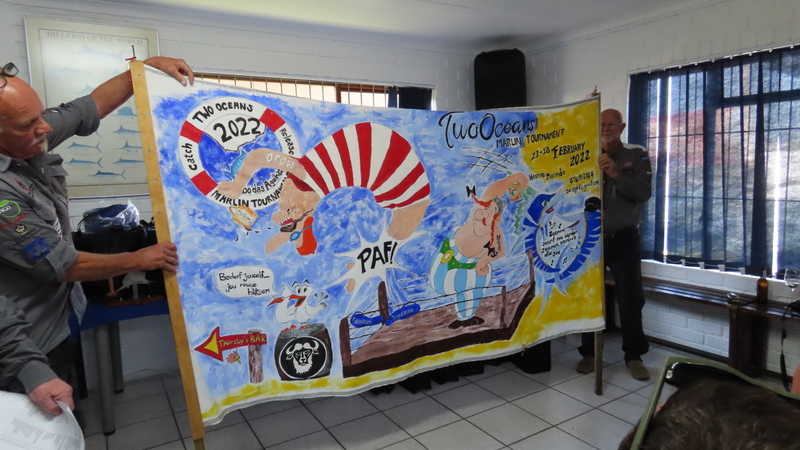
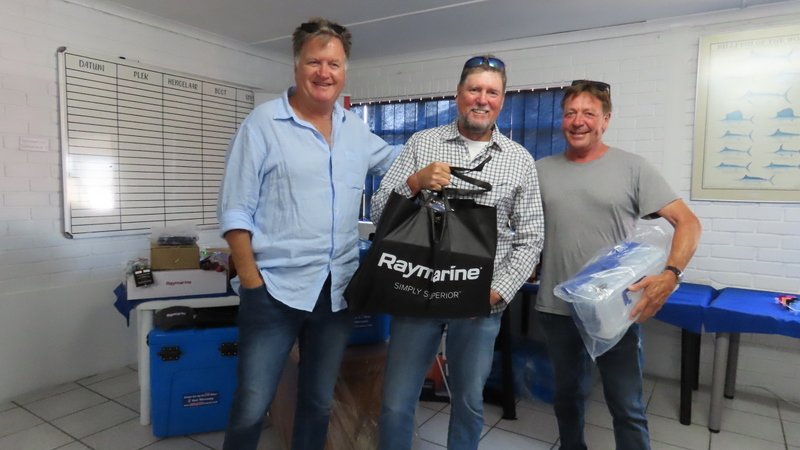
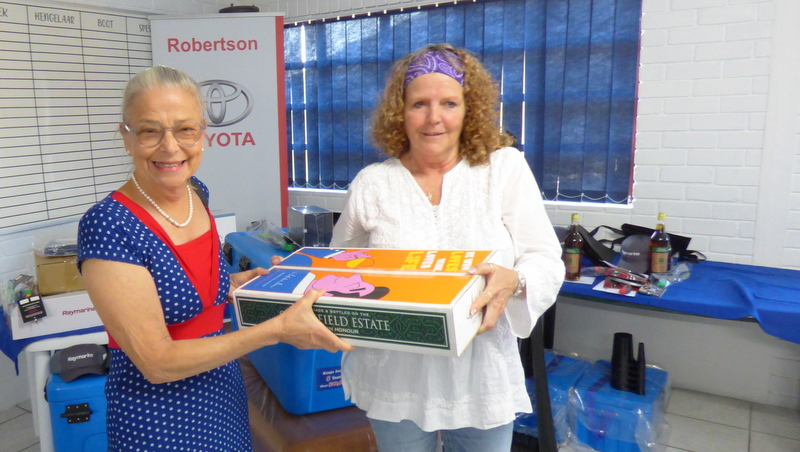
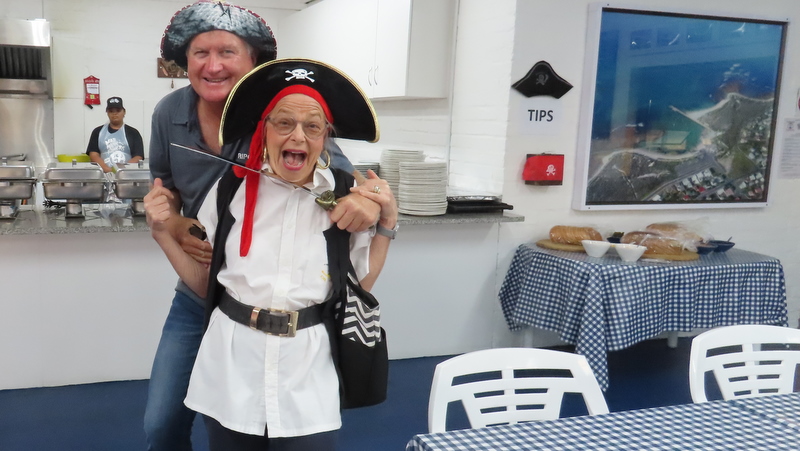
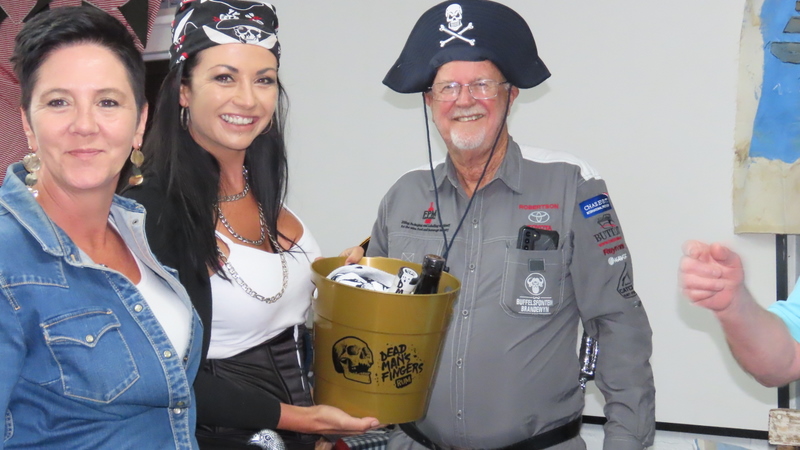
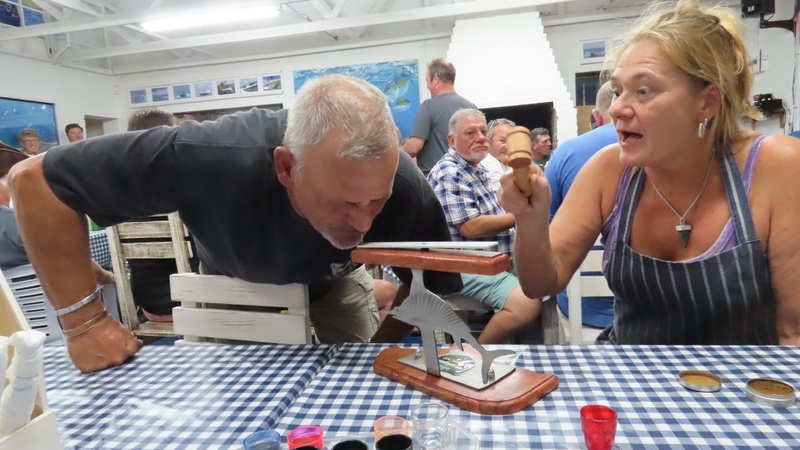
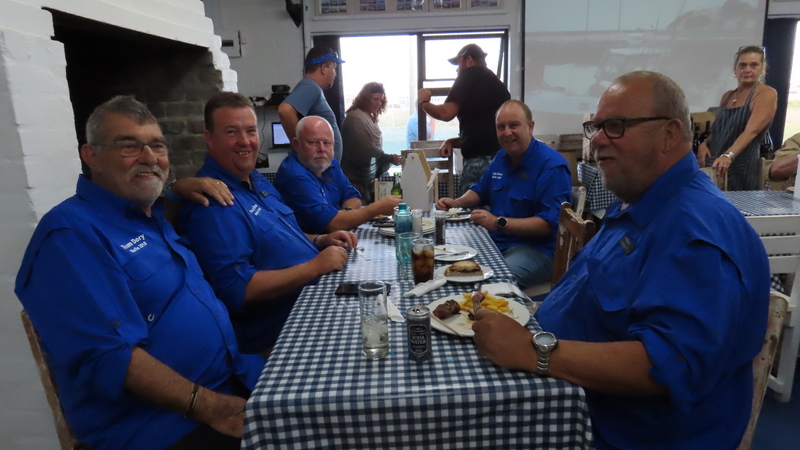
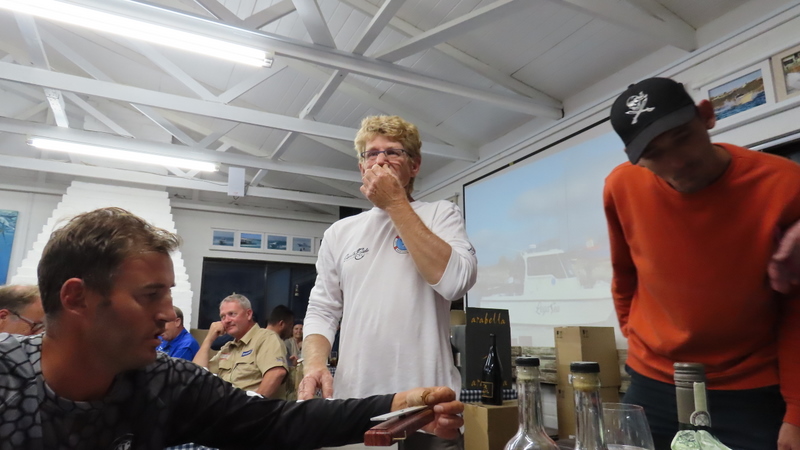
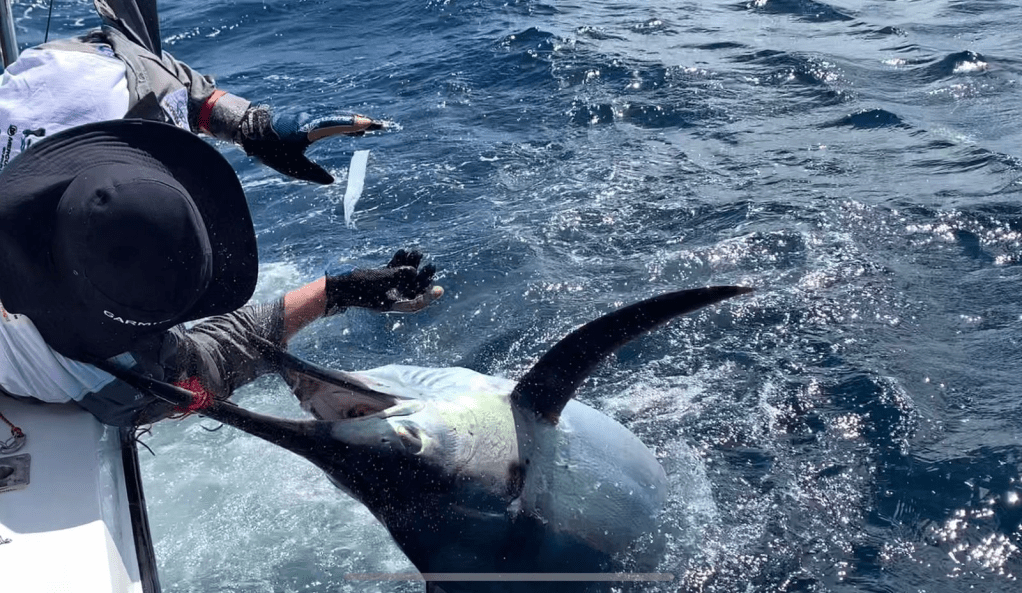
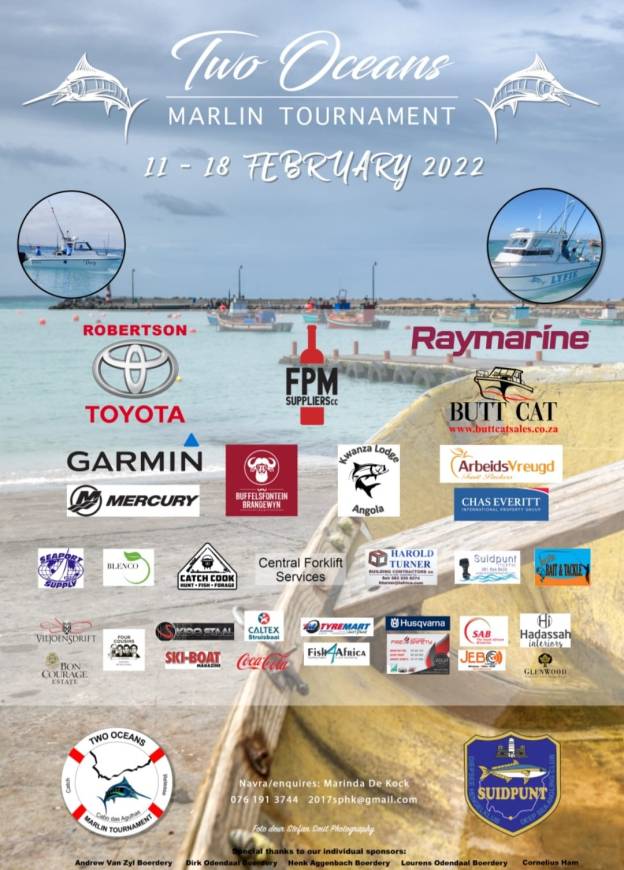
I received a box of my favourite wine because I took a few photographs and blogged about a fishing tournament.