Category Archives: Uncategorized

The Two Oceans Marlin Tournament – How It All Began

Note: To view the group of photographs, click on the first one to enlarge it. Use the arrows to navigate the slideshow. Press ‘escape’ to return to the blog post. On your phone, swipe to view each photo and tap the ‘x’ to return to the blog post. You may also need to tap the information icon to view the captions.

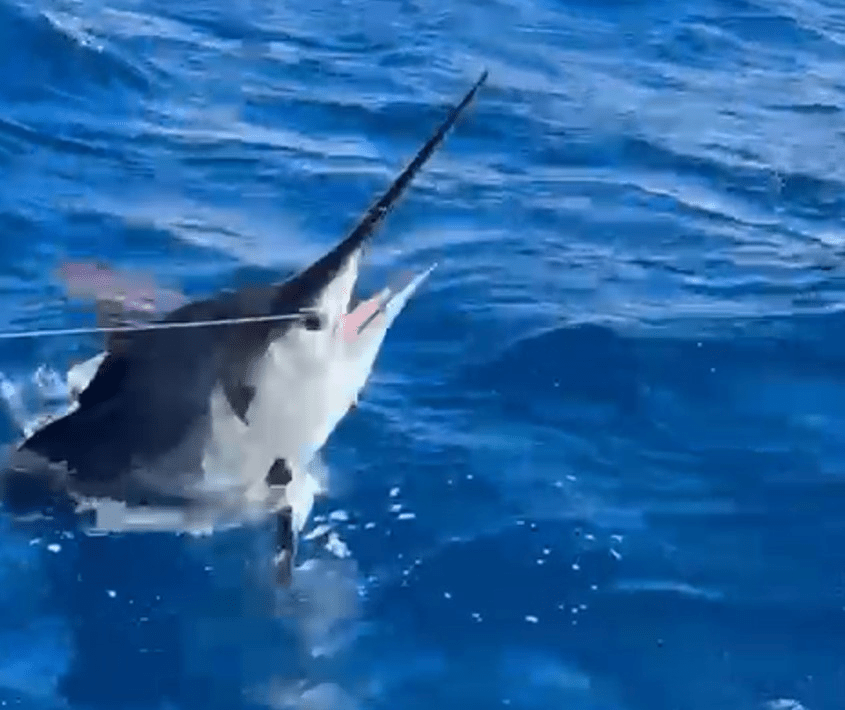
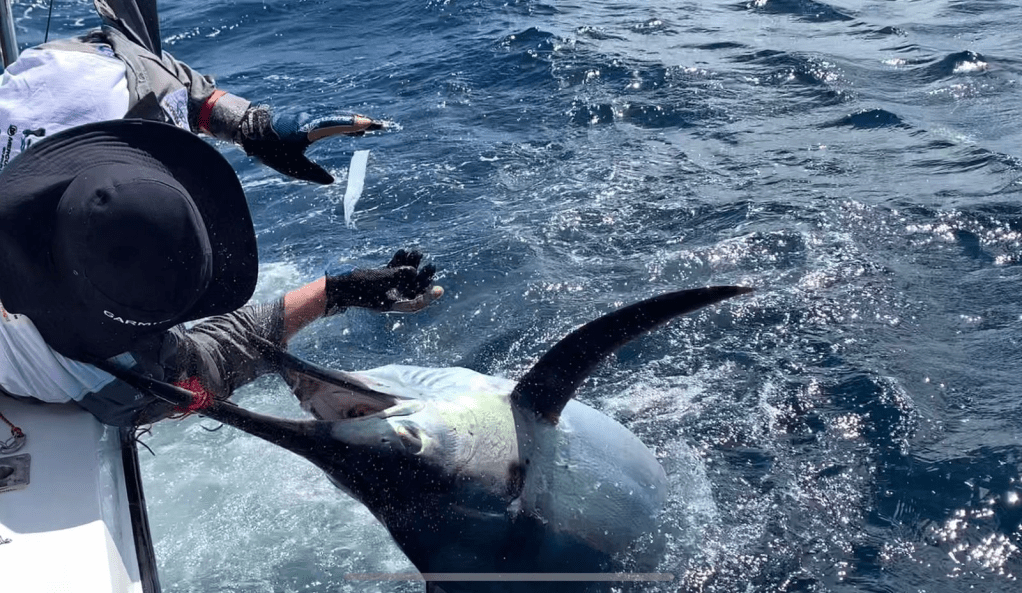
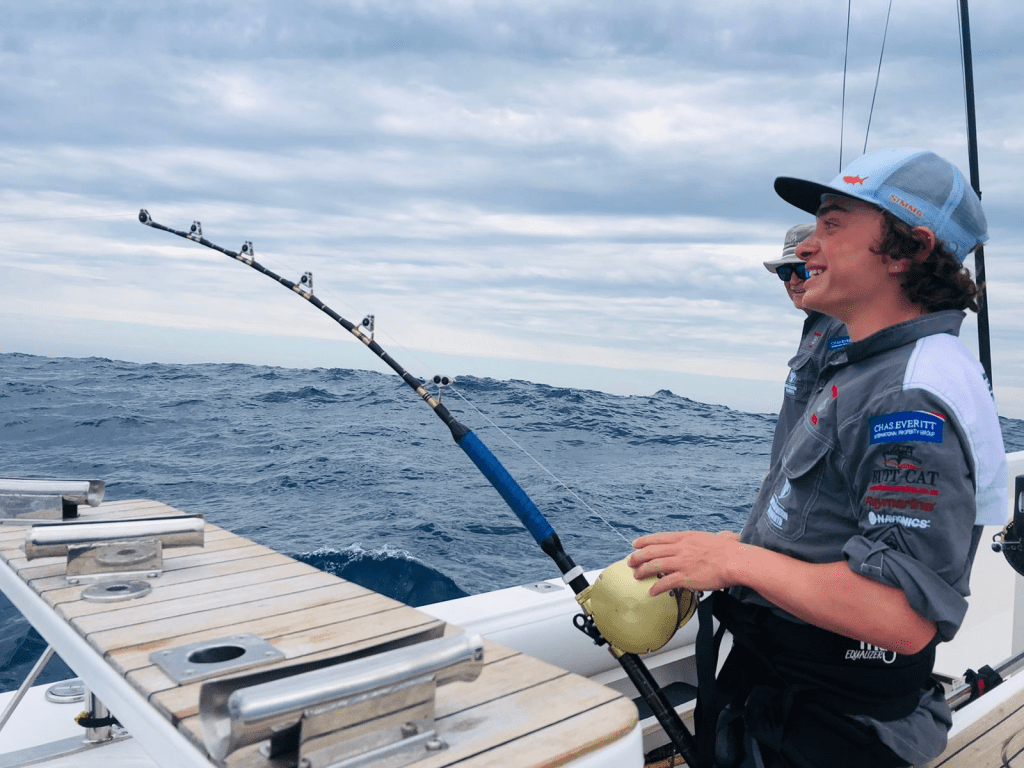
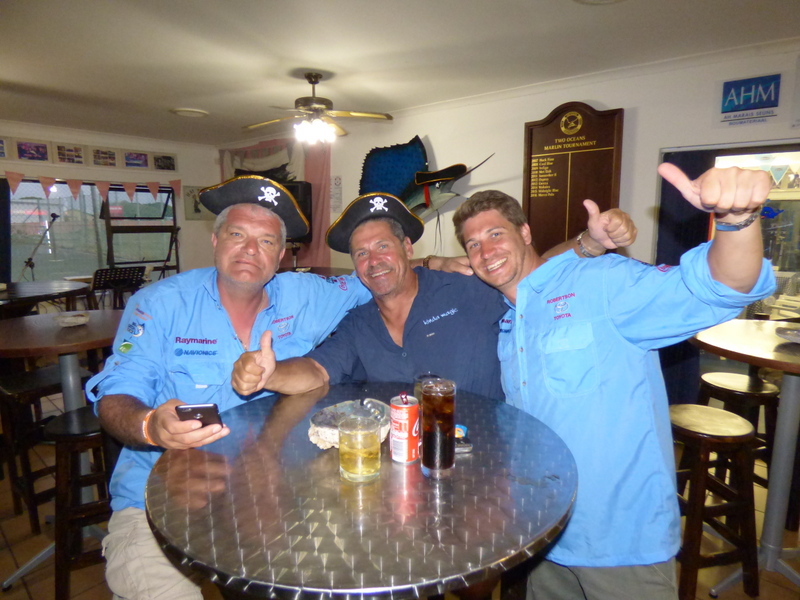
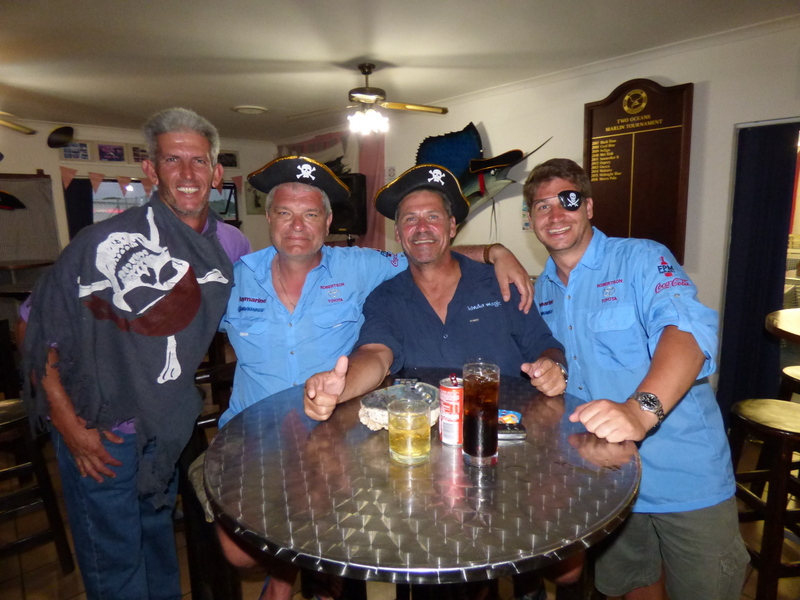
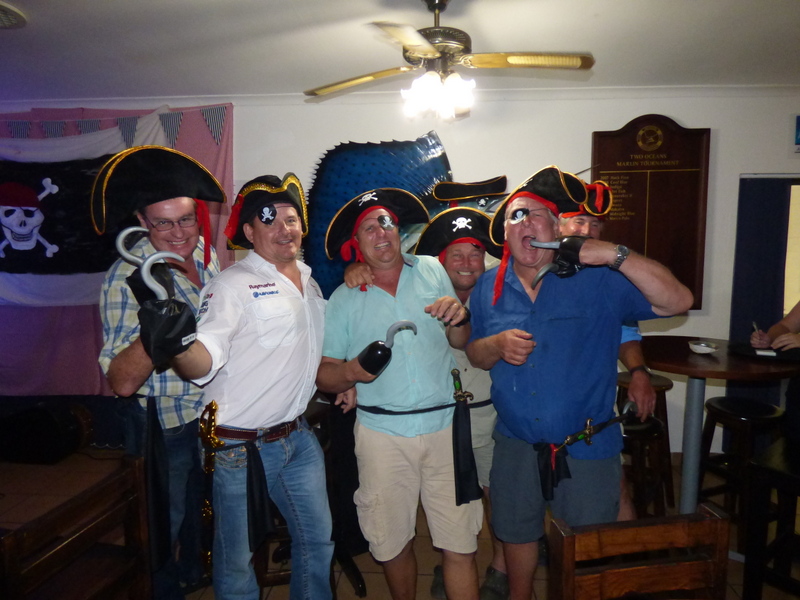
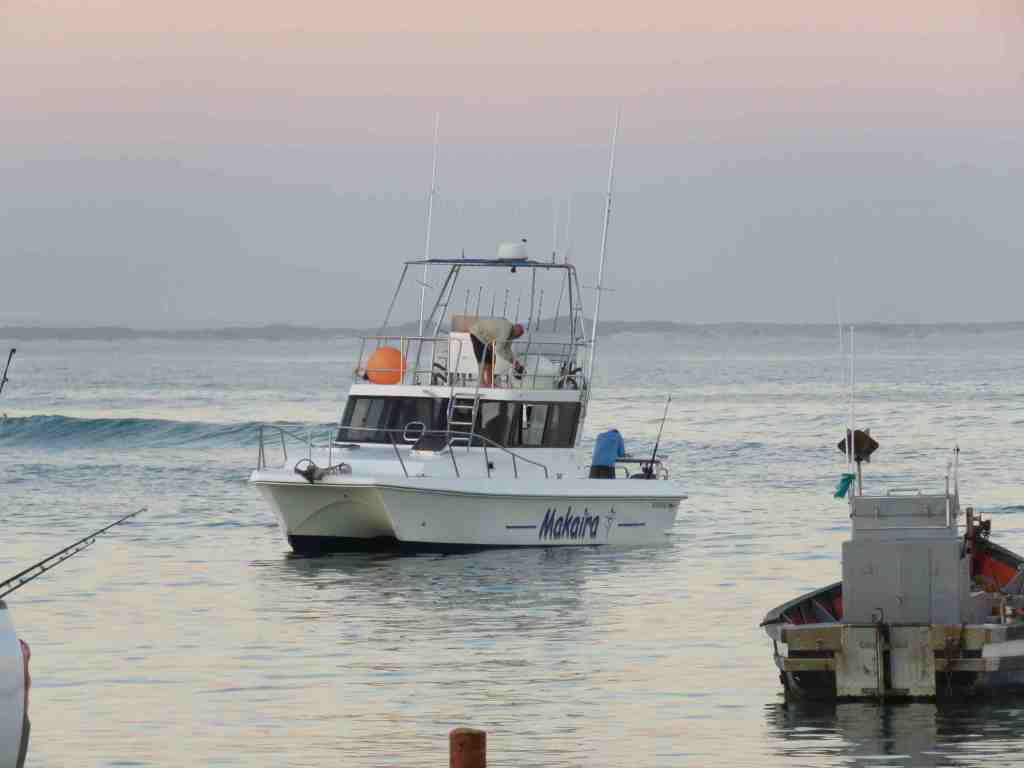
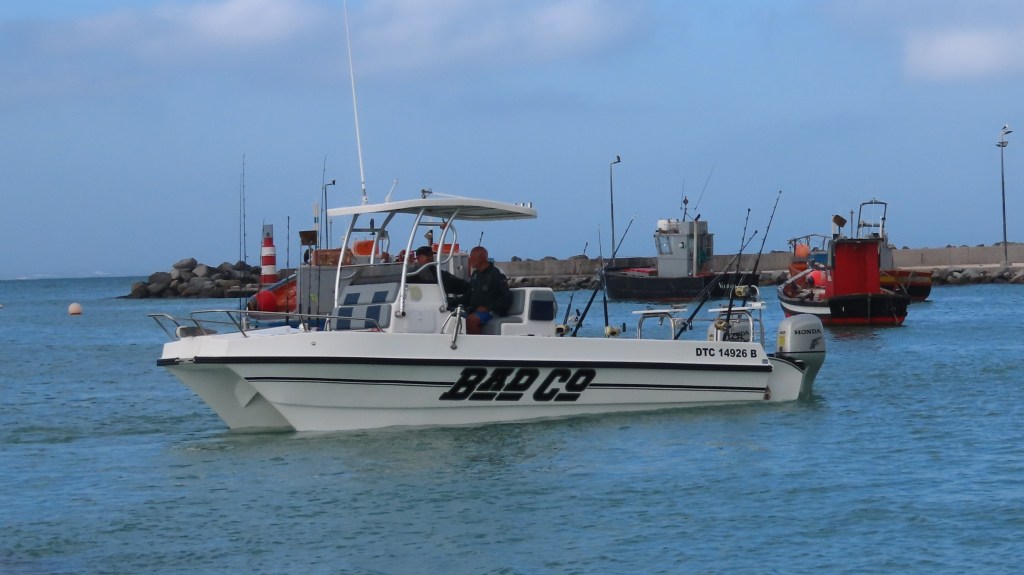
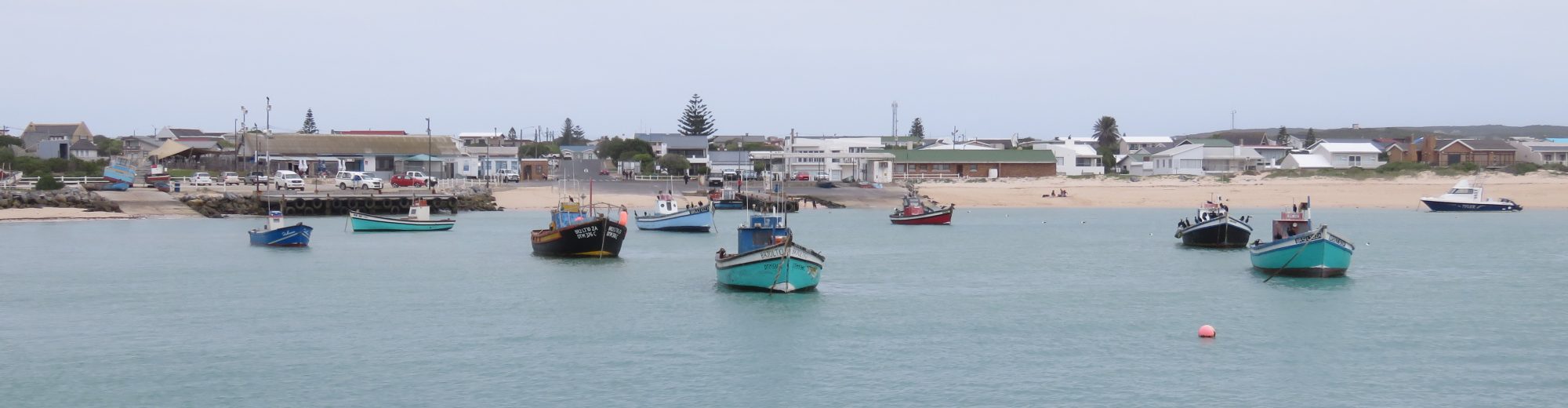
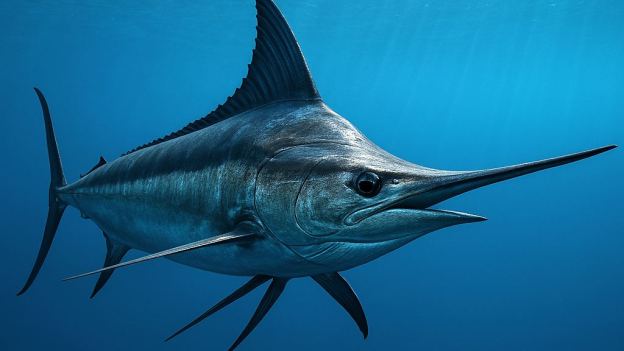
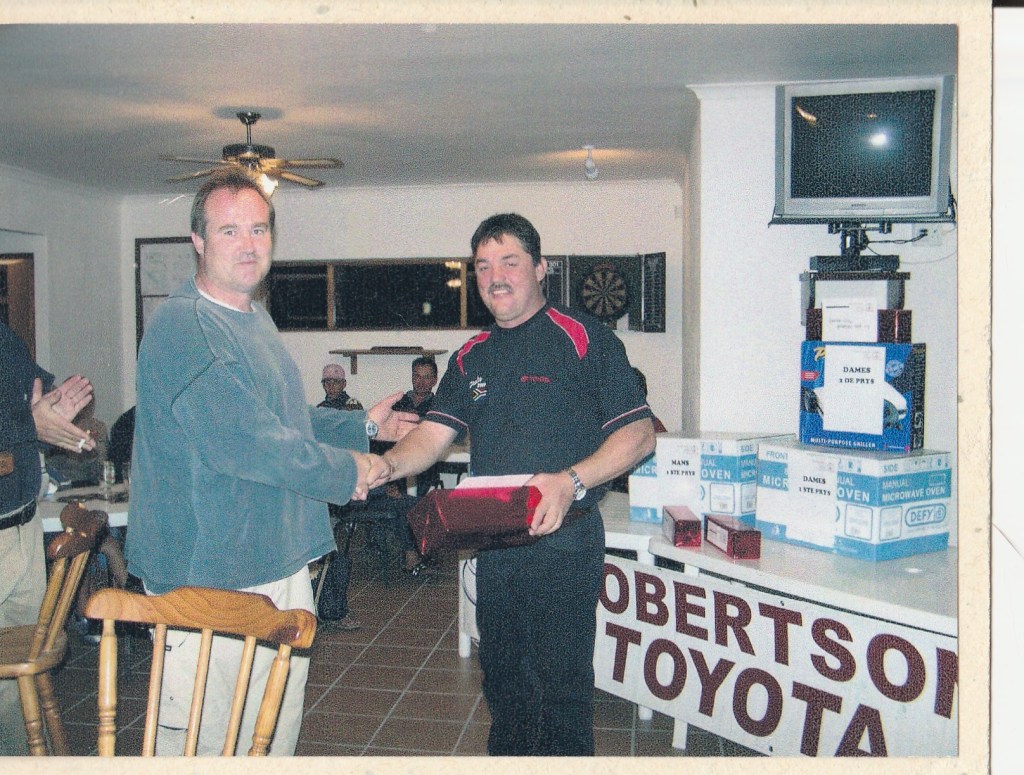
This February, Struisbaai will once again host one of its most cherished traditions—the Two Oceans Marlin Tournament, now celebrating its 20th year! From 21 to 27 February, anglers from across South Africa will gather for a week of excitement, camaraderie, and unforgettable moments on the water.

What makes this tournament truly special is its independent spirit. Unlike most competitions, the Two Oceans Marlin Tournament is not affiliated with Western Province or SADSSA. Instead, it’s run by the anglers themselves, with rules and decisions shaped by those who participate year after year. This unique approach has fostered a close-knit community, with many of the same boats and teams returning annually, building friendships and traditions that last well beyond the final function.

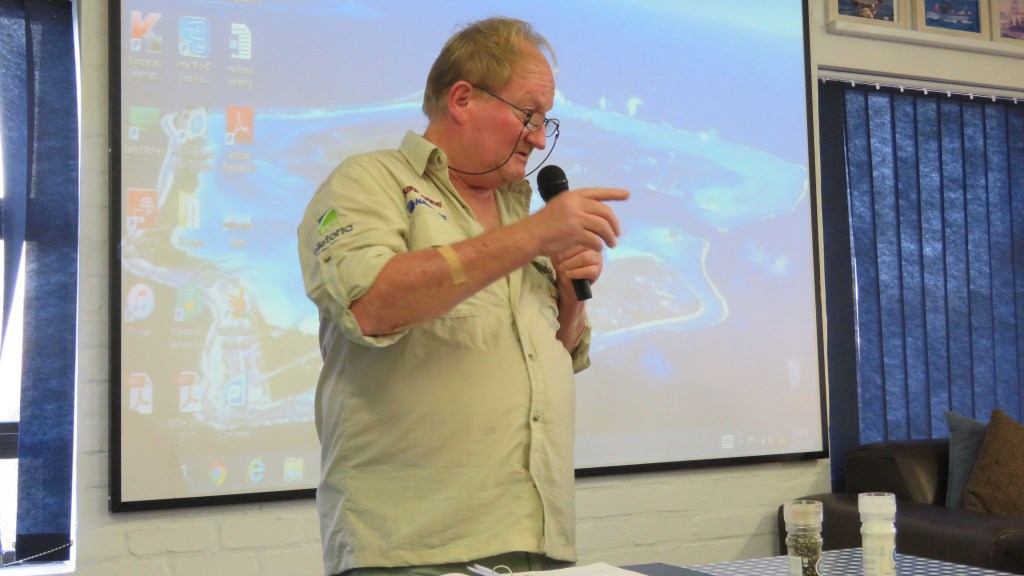
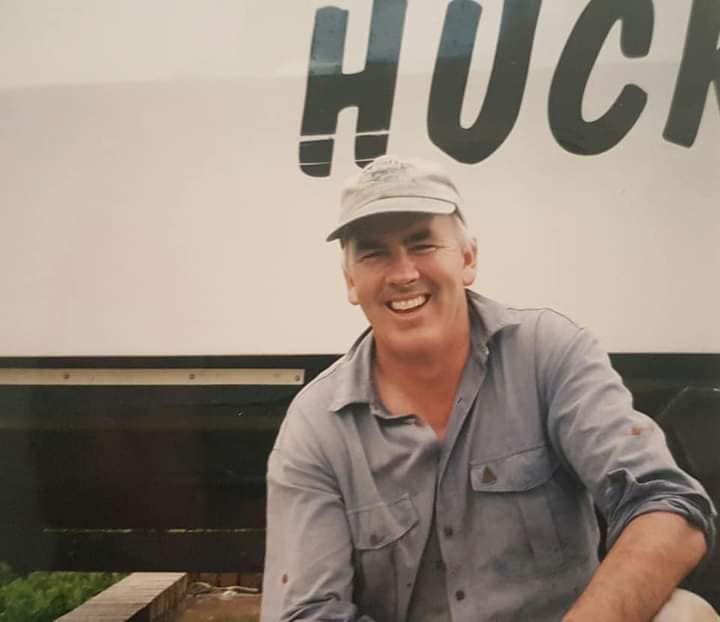
The tournament’s roots trace back to the late Meirion Williams of Huckfin fame, who, inspired by a conversation with local fisherman Trail Whitthuhn, envisioned an event to study and celebrate the marlin population in the Agulhas area. Thanks to the dedication of contributors like Gawie Bruwer, Hannes Schreuder, Gerard De Kock, Johan Jooste, Andrew Perrins and Johan van der Walt, the idea became a reality.
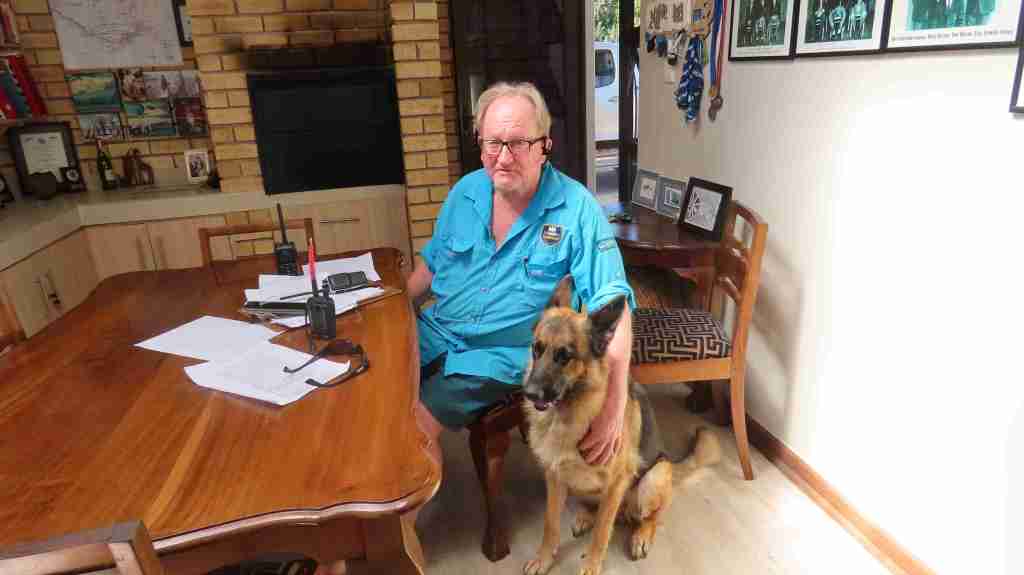
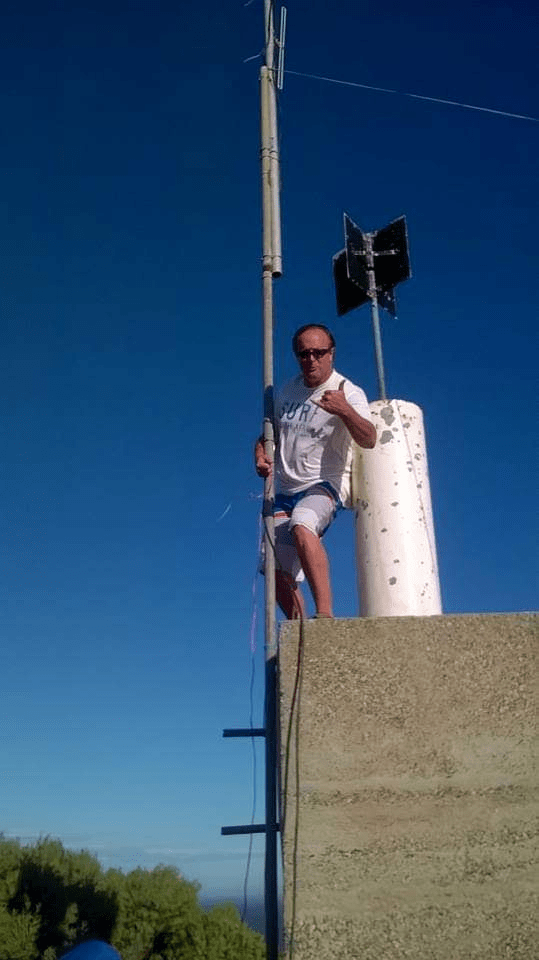
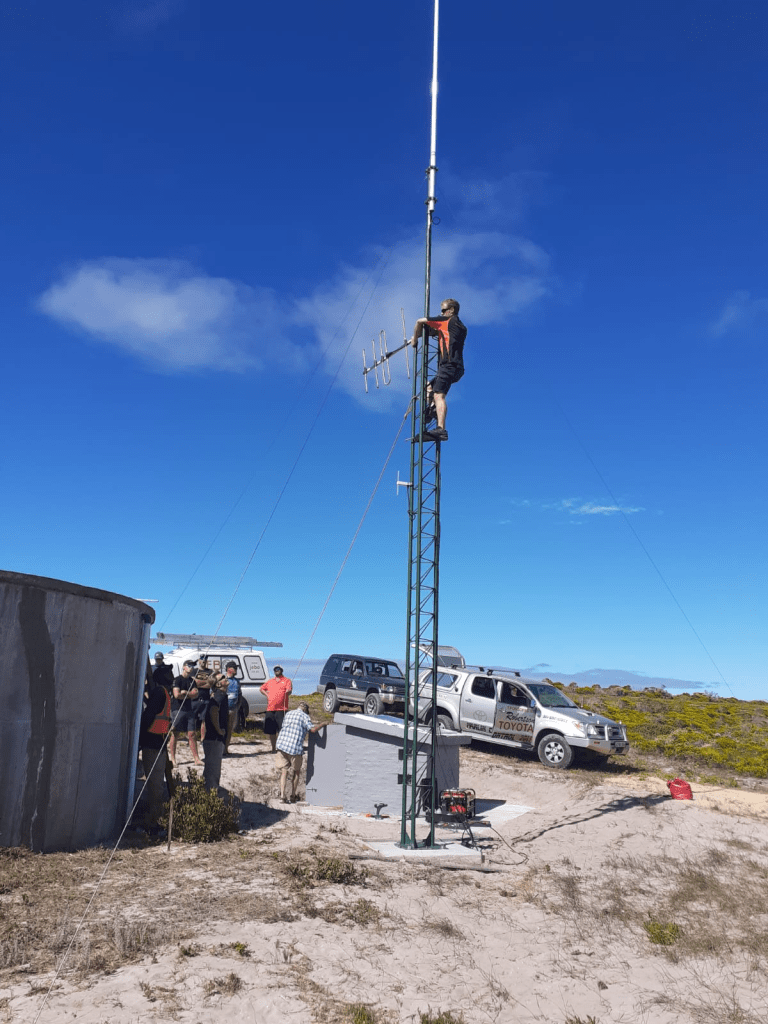
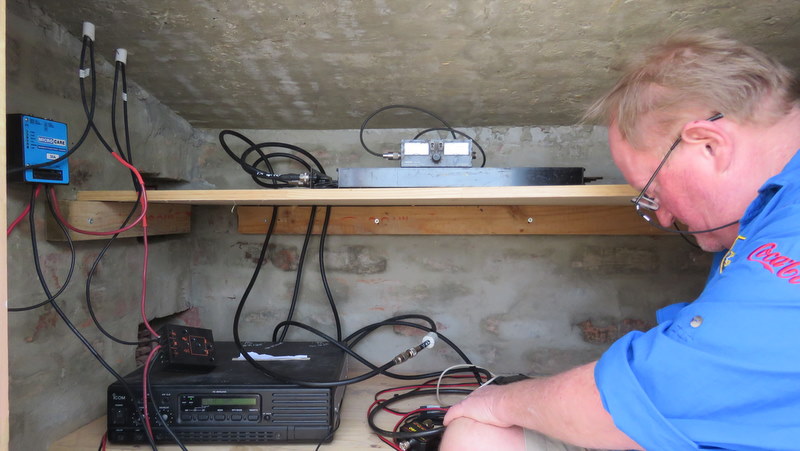
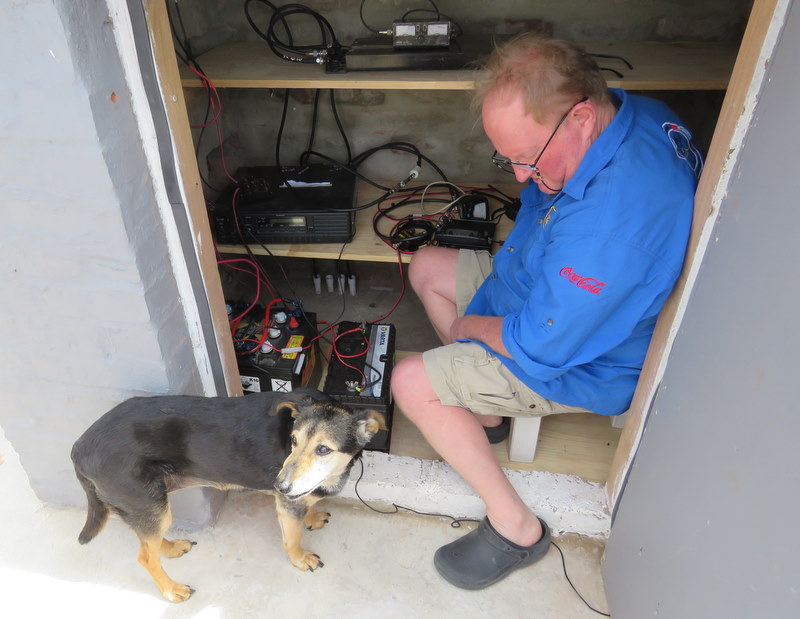
Safety has always been central to the event, with Andrew returning from the UK each year and working alongside local experts such as Trevor Brinch and Earl Fenwick to keep operations running smoothly and radio communications firmly under control.

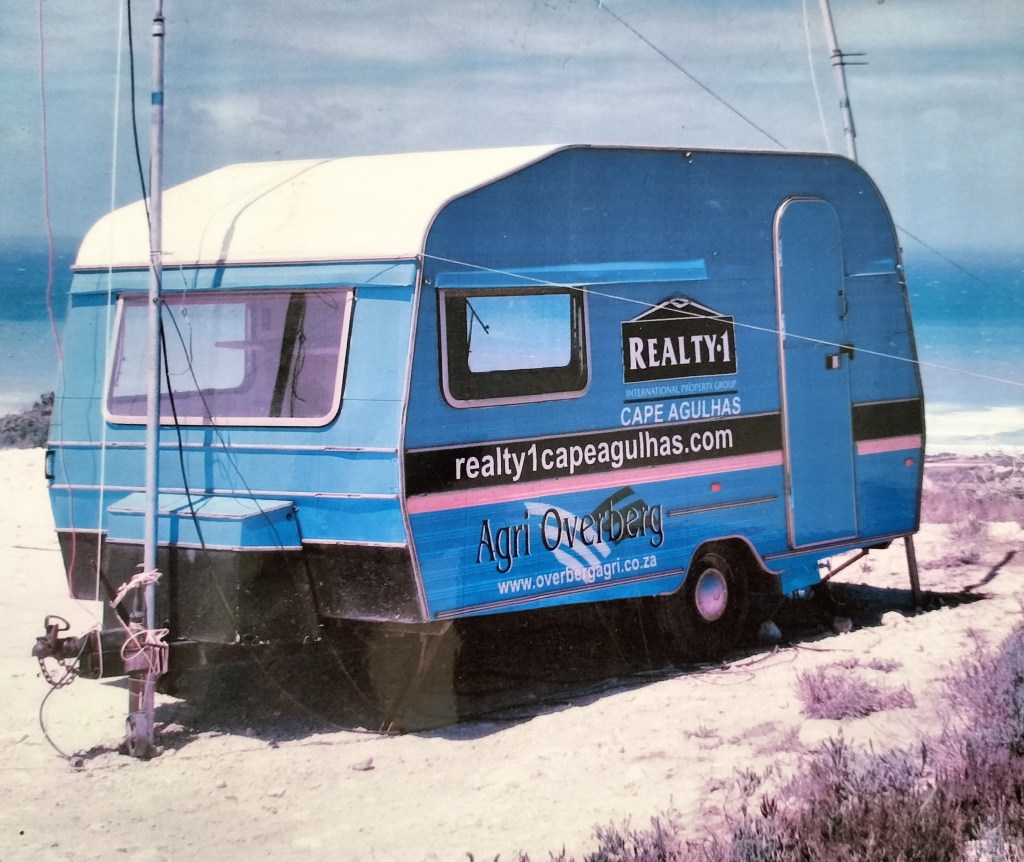
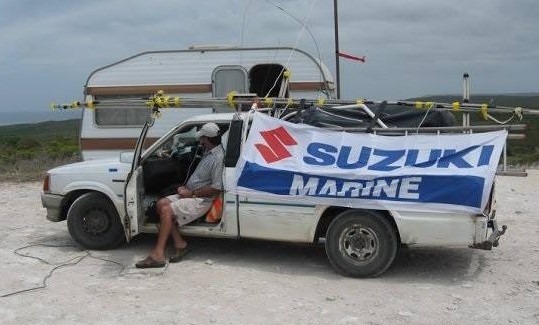
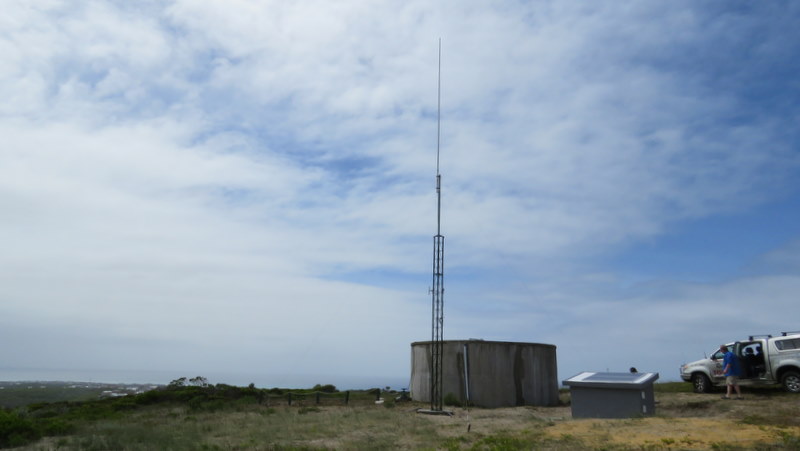
Before a permanent aerial was installed on the high site, Realty 1 Agulhas (now Chas Everitt) sponsored a caravan on the Agulhas mountain, where Andrew managed the Marlin Control operations. Temporary aerials were used in the years that followed, but a permanent installation has now been in place for some time.

The original Marlin Control

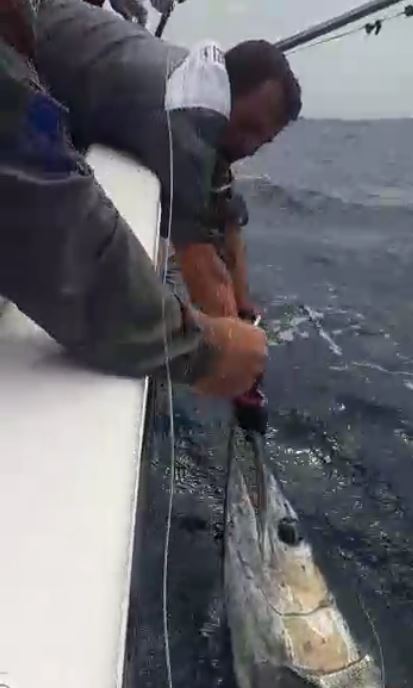
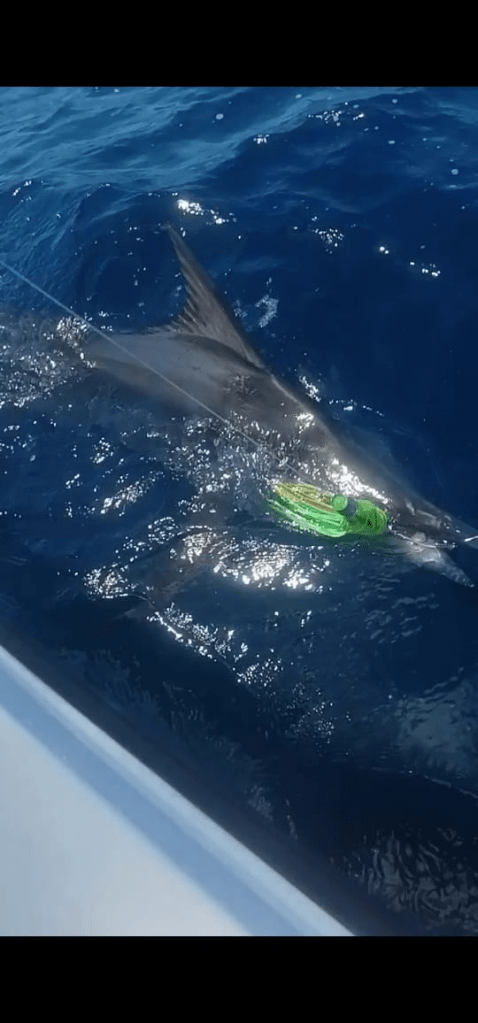
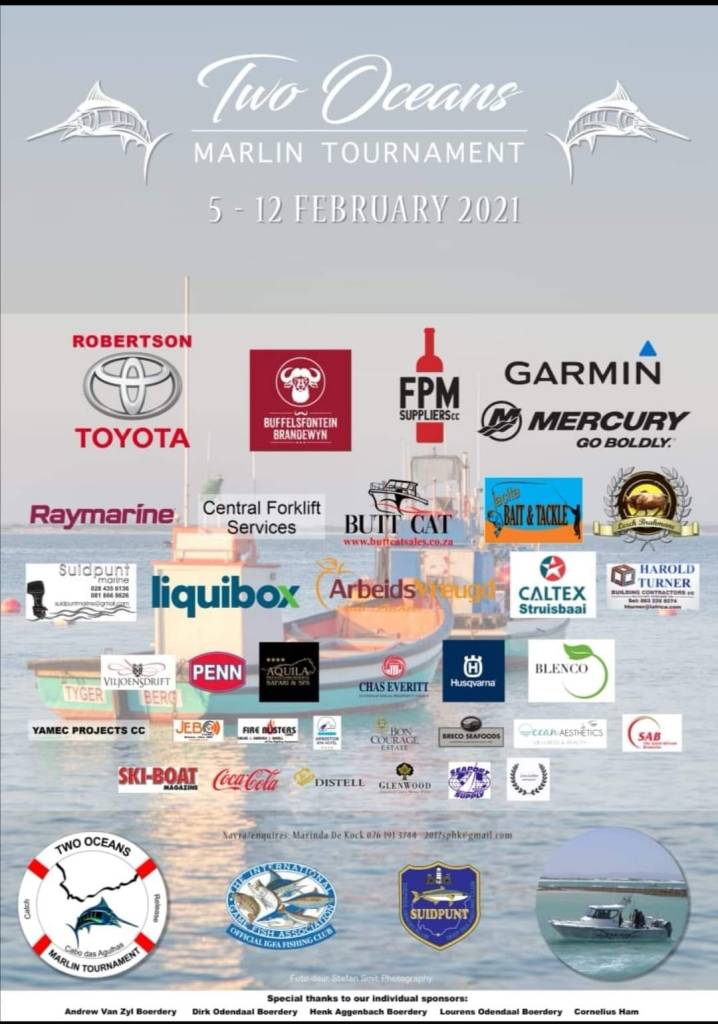
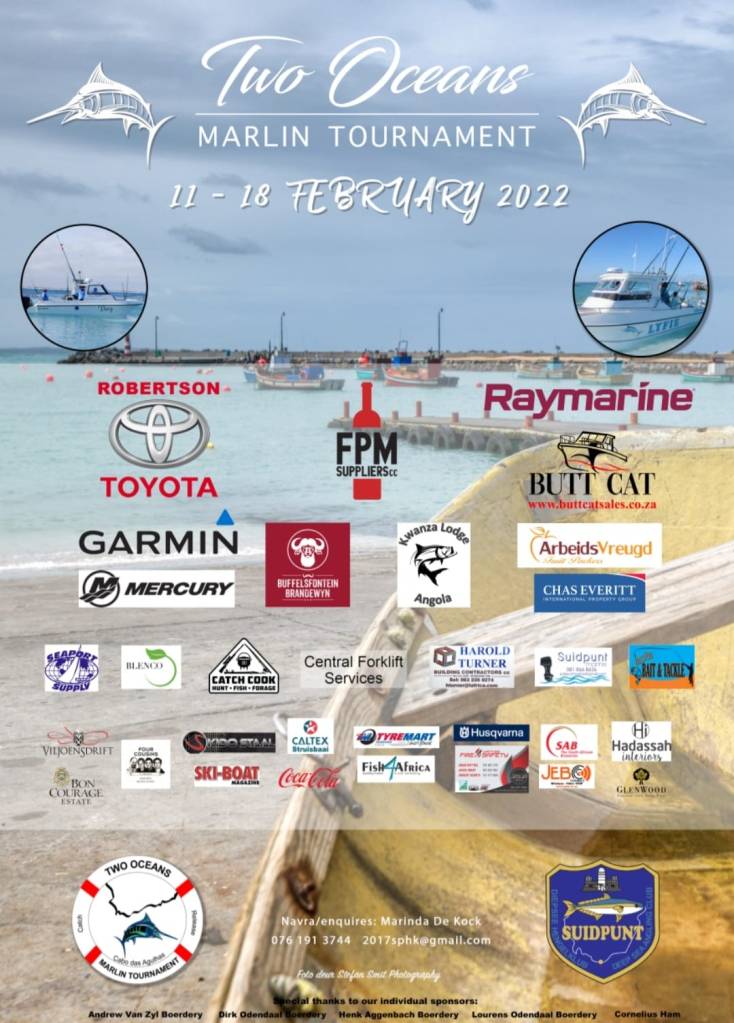
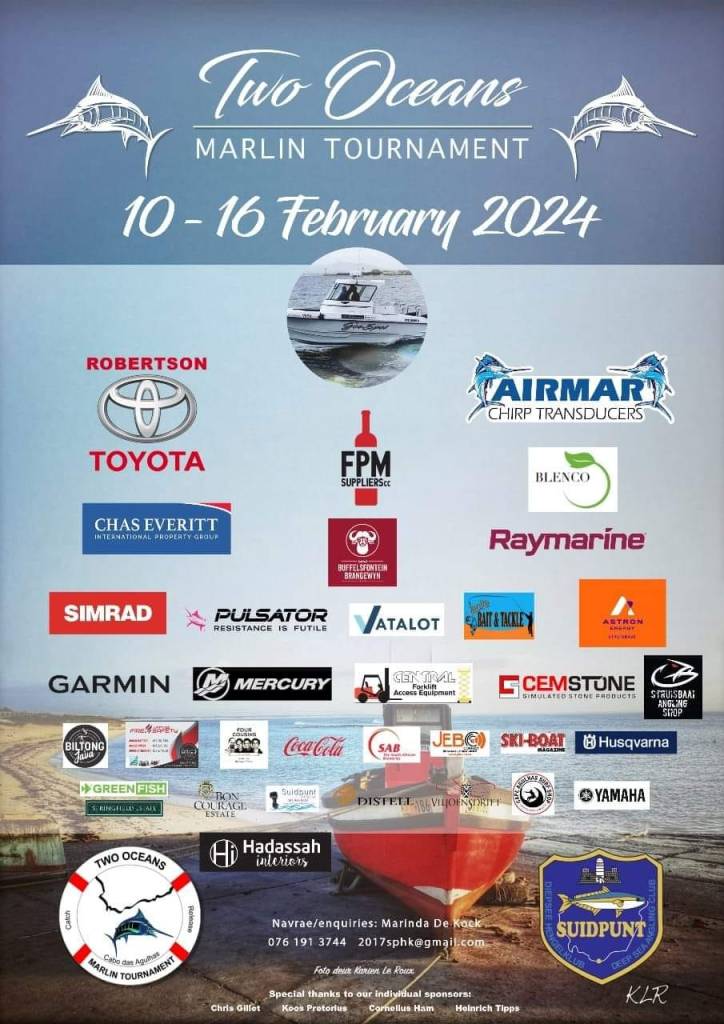
The Two Oceans Marlin Tournament is an invitational, no-kill, measure-and-release event. Anglers present video evidence of their catches, and points are awarded. In 2021, there was a tie. The rule now states that if the points are even, the boat that catches the last marlin of the week will be declared the winner.

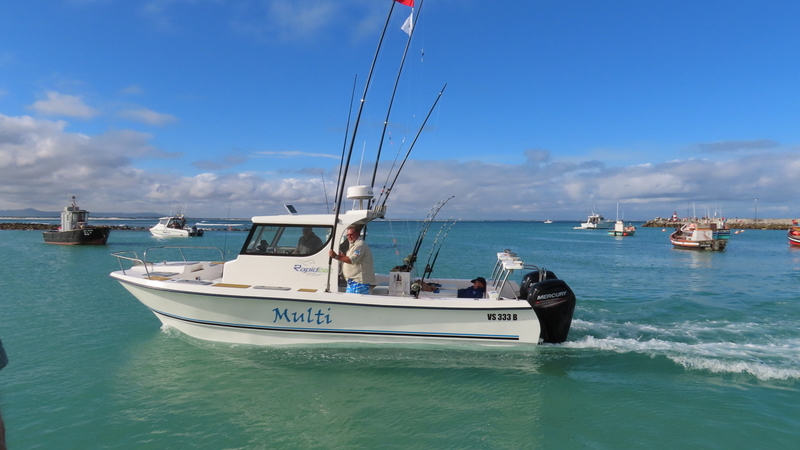
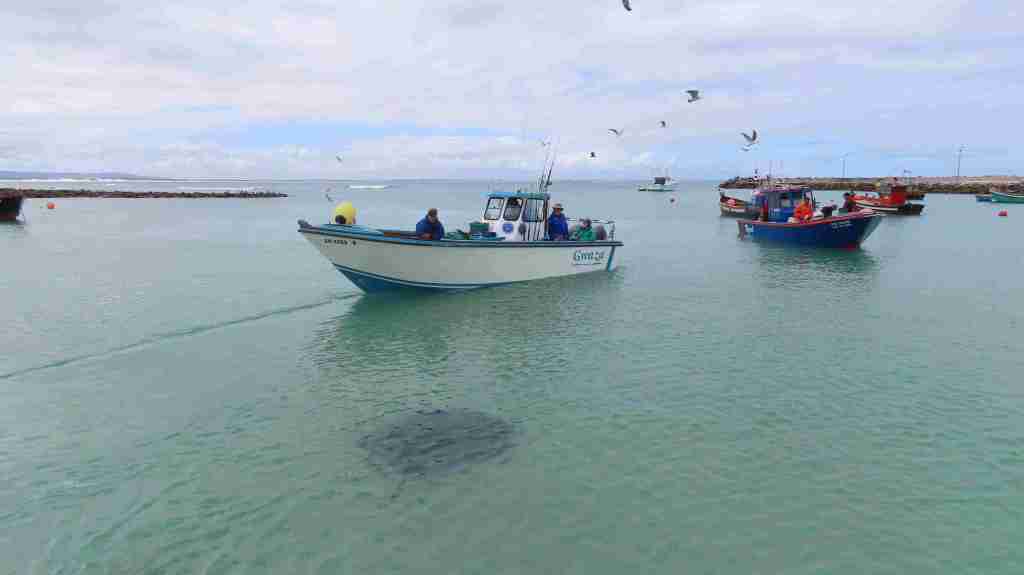
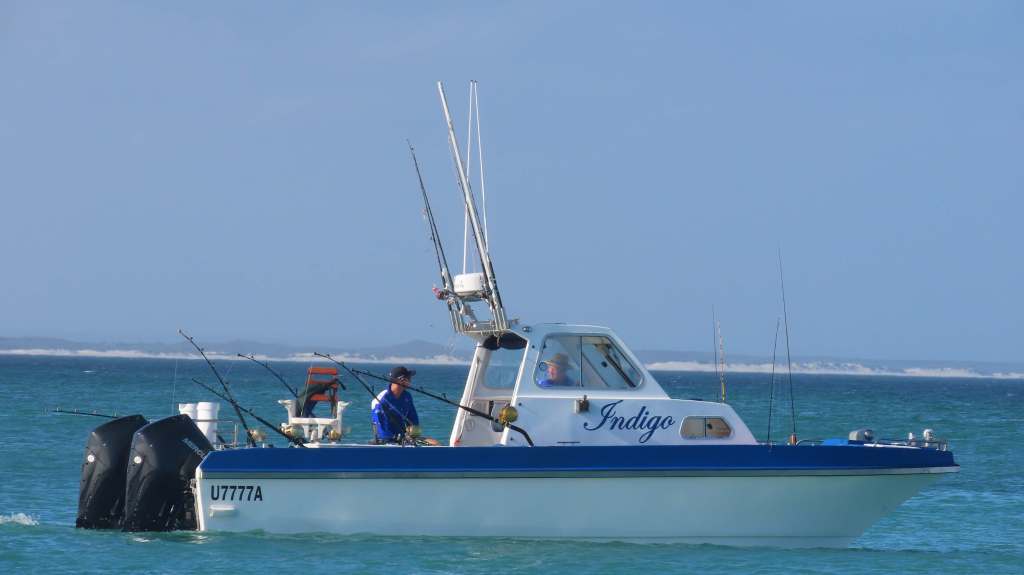
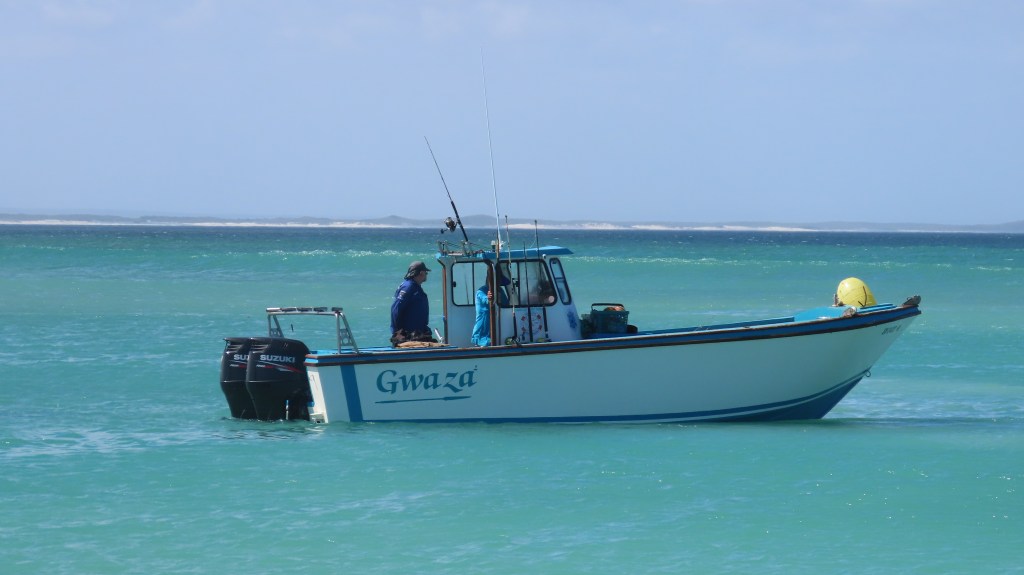
The first tournament was held in 2007 and began modestly with just seven boats taking part: Gawie Bruwer’s Indiogo, Andrew van Zyl’s Gwaza, Meirion Williams’s Huckfin, Hannes Schreider’s Jumbo-Jumbo, The Rawbone‑Viljoen brothers’ Midnight Blue, Johan Jooste’s Three Js, and Nico Schmidt’s Monique.

Fittingly, the inaugural winner was Huckfin, owned by the tournament’s founder, the late Meirion Williams. In 2009, Indigo claimed victory, and Gawie has entered the tournament every year since 2007. After the initial fleet of seven boats, entries jumped to 23 in 2008. Participation peaked at 39 boats in both 2011 and 2014, though most years see between 18 and 25 entrants. As we count down to this year’s milestone event, we’ll be sharing stories, photos, and memorable moments from the past two decades.

Meirion Williams (RIP)
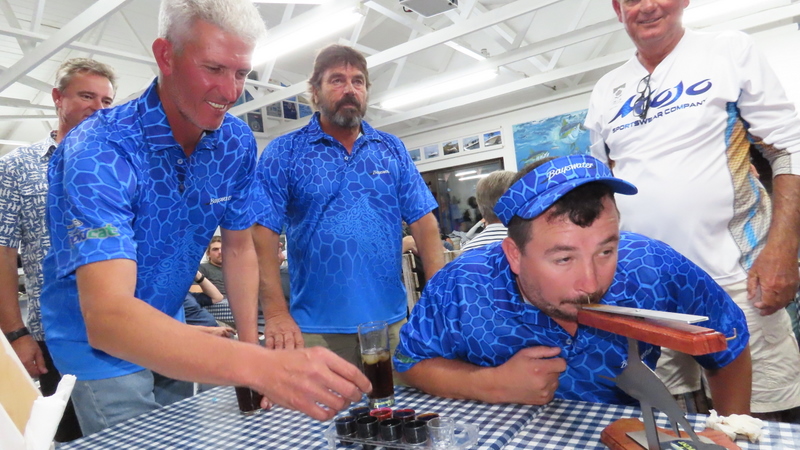
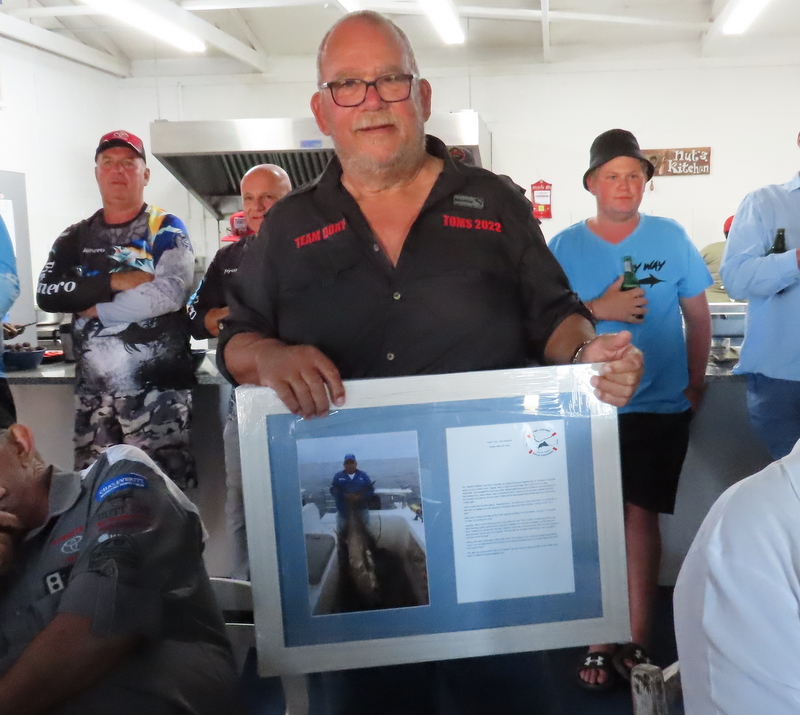
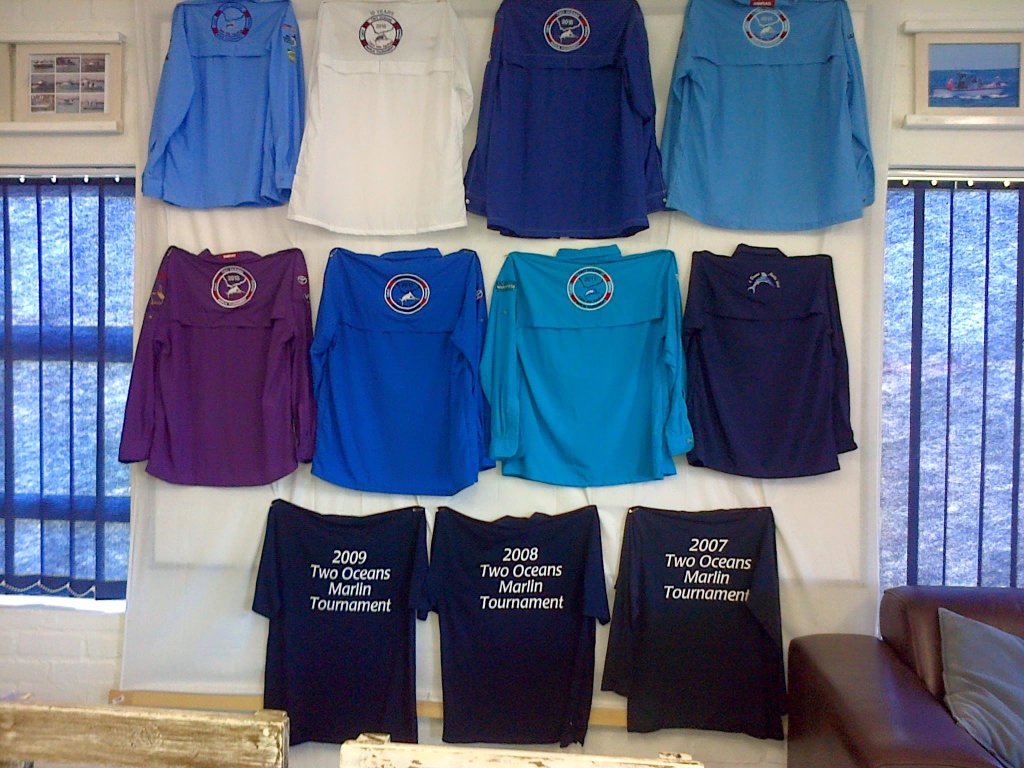
TOMT Shirts 2007 to 2017
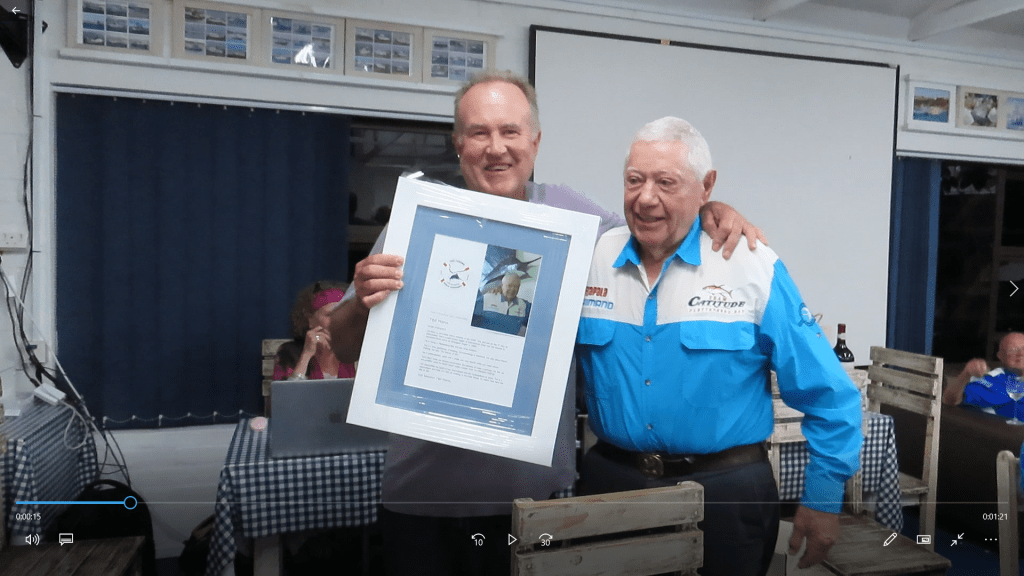
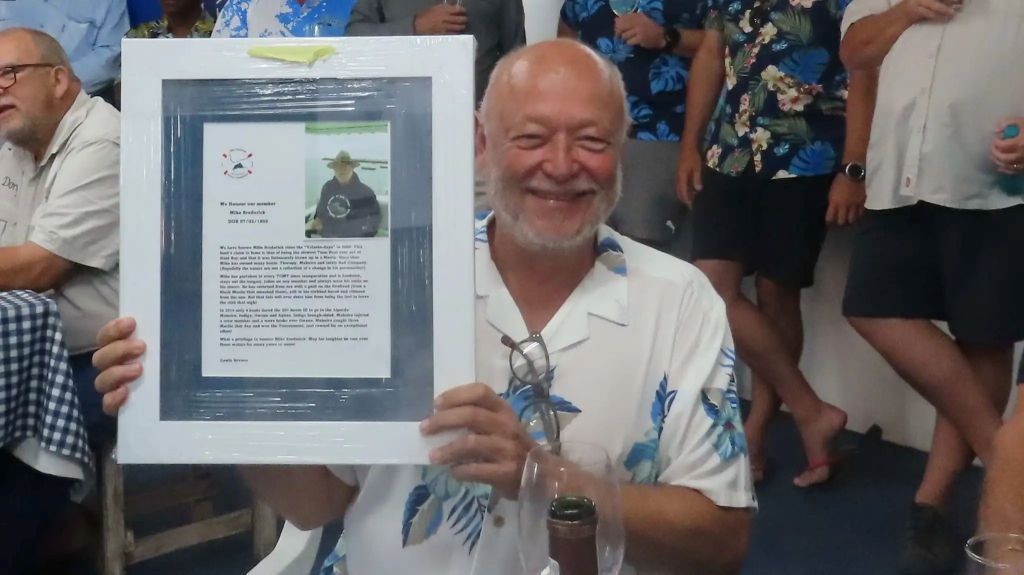
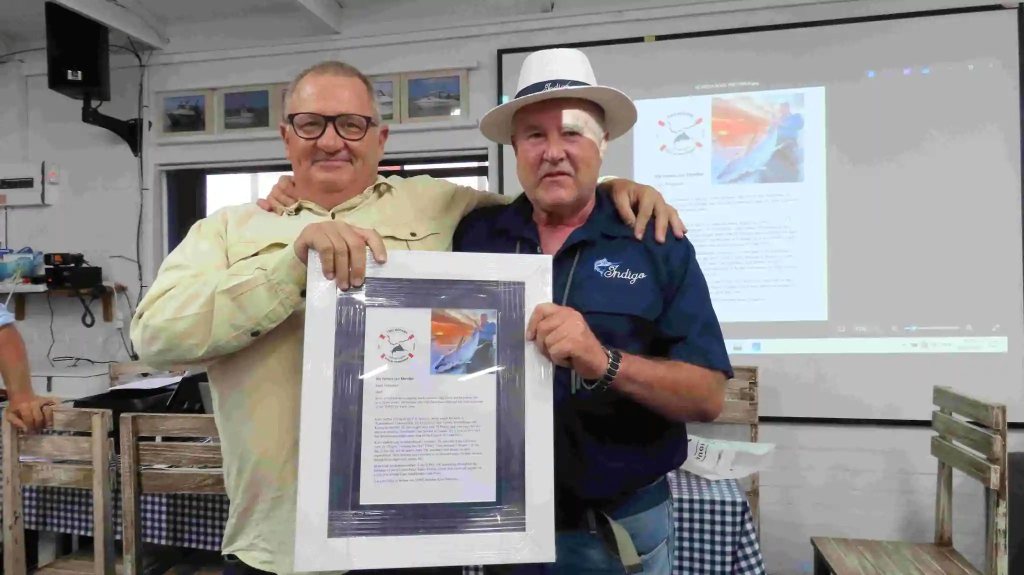
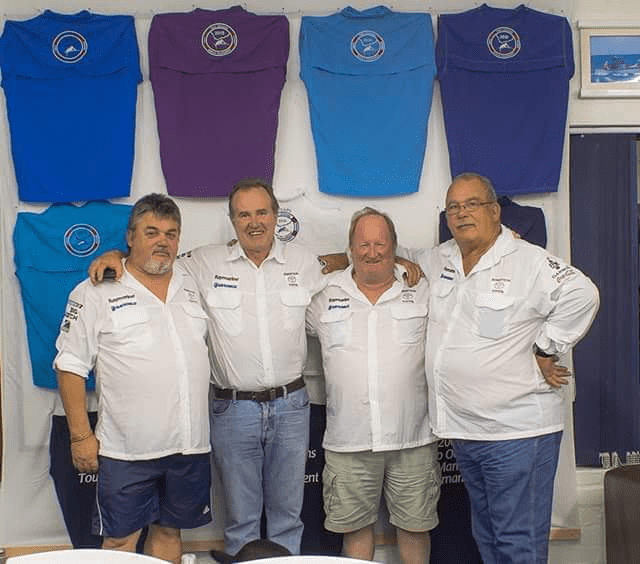
Four of the original founders of TOMT Hannes Schreider, Gawie Bruwer, Andrew Perrins, Johan van der Walt

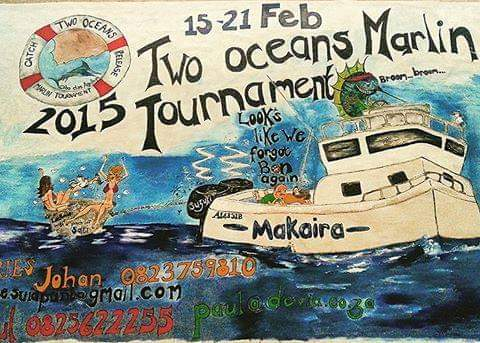
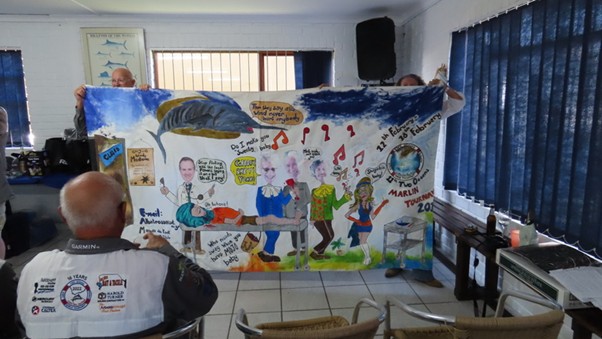
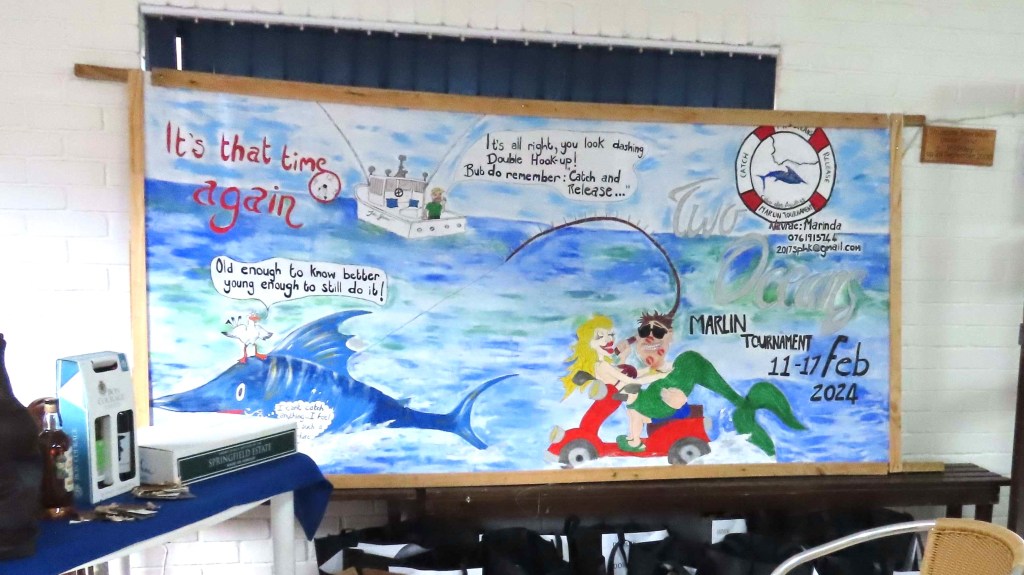
Each year, Amanda Bruwer designs a playful TOMT flag, and the previous year’s flag is auctioned off to the highest bidder. Here are three examples from past tournaments.

This is the first in a series of posts counting down to this year’s tournament. The next instalment will appear on Monday, followed by daily posts until 21 February. After that, you can look forward to regular updates as the Twentieth Two Oceans Marlin Tournament unfolds.

Share Your World 2 February 2025 – Animal Memories and Adventures

Here are my answers to this week’s SYW questions from Di

1. Are you a dog or cat person, or do you prefer no pets, or are you unable to have one for some reason?
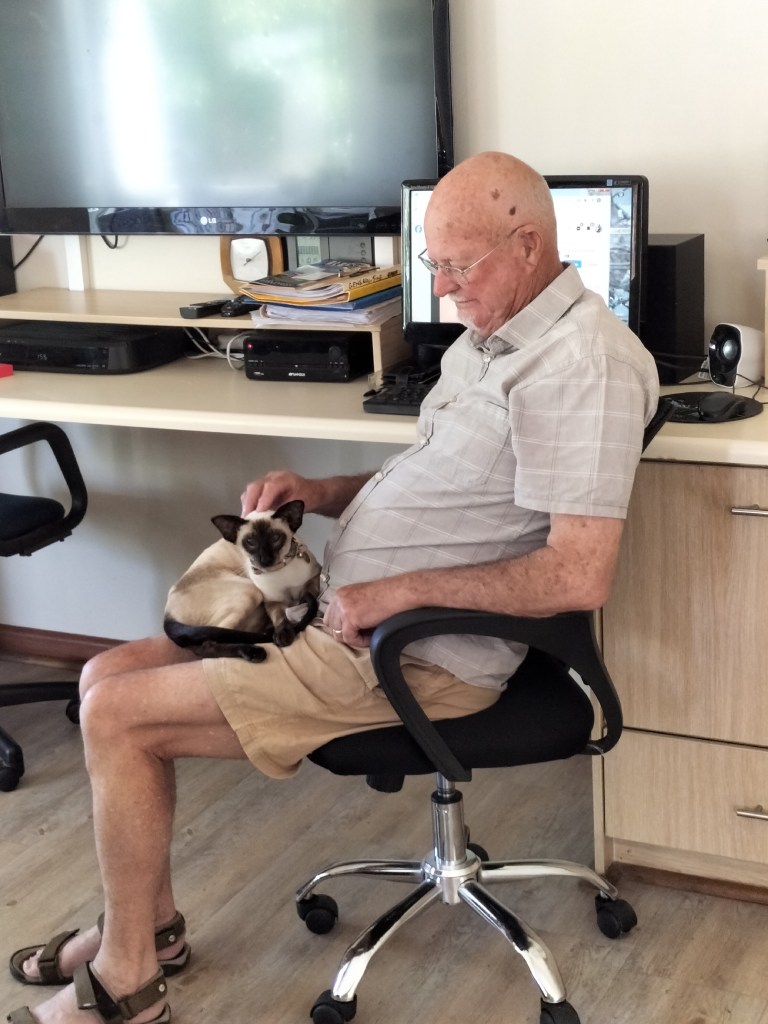
I’ve always been an animal person. Every creature has been welcome in our home. Throughout the years of raising our children and grandchildren, we always had pets — dogs, cats, hamsters and often all three at the same time.
When we retired and moved to Struisbaai, we still had three cats in the family. They stayed with our daughter, who is very much a cat person, and we’ve love that we can to visit them regularly.
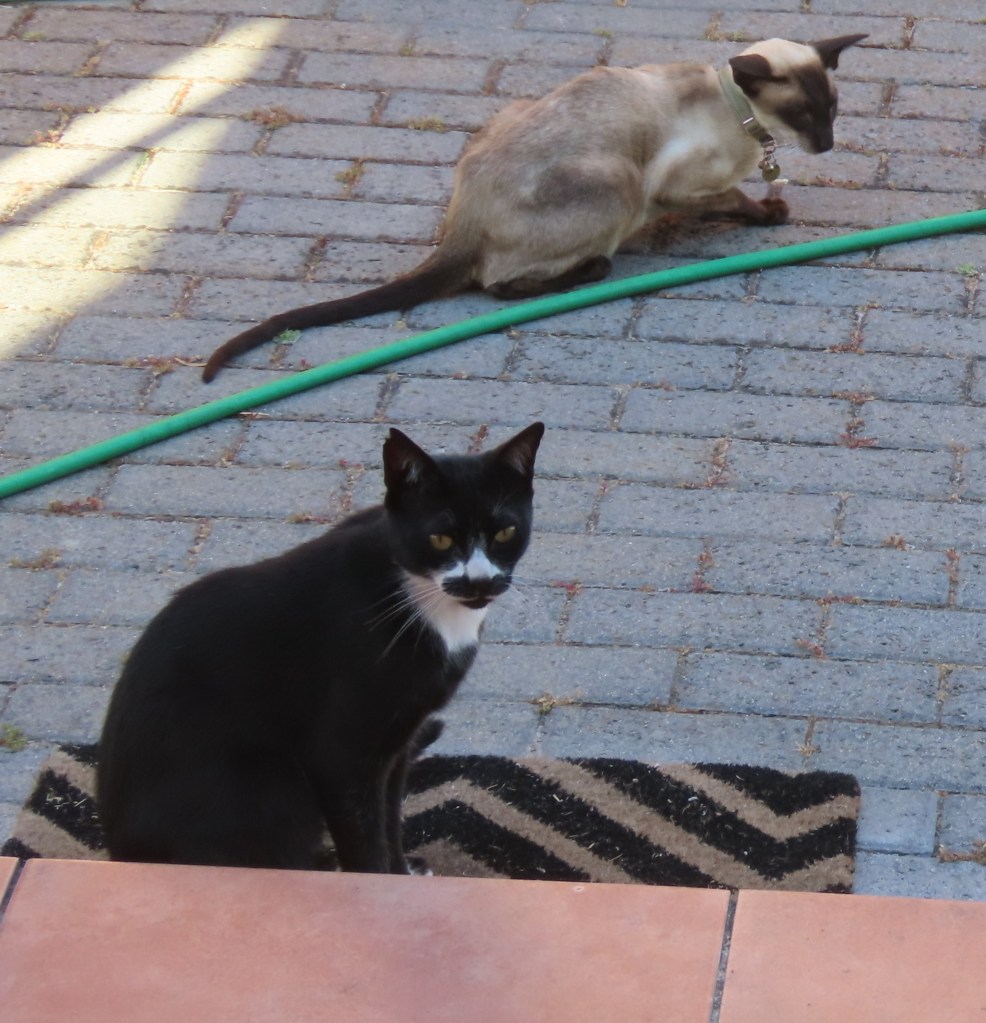
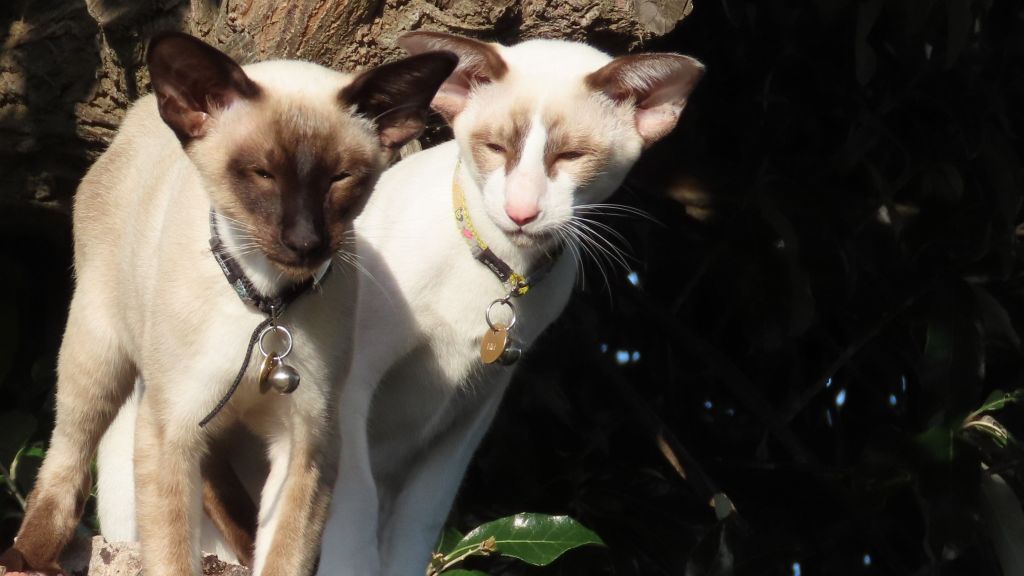
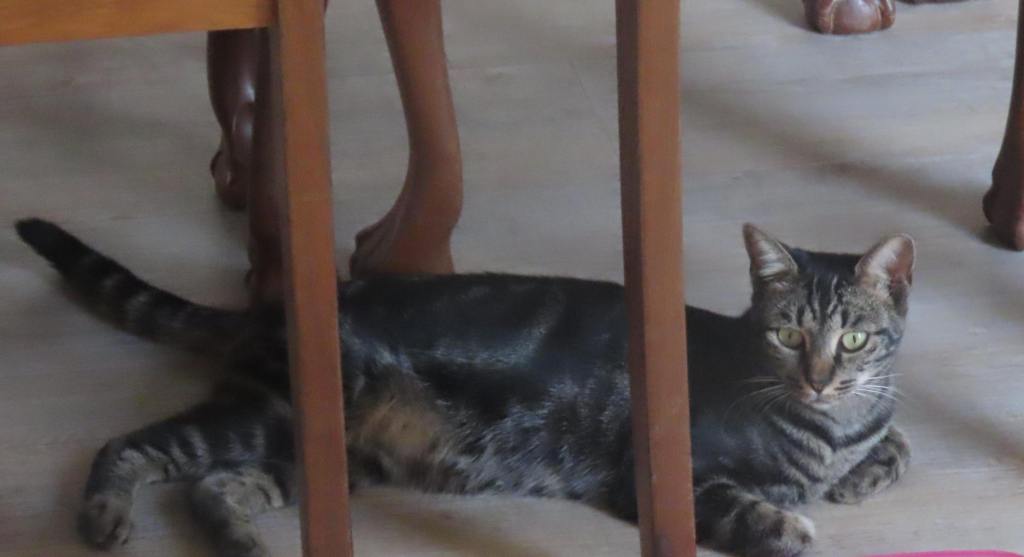
Because of our gypsey lifestyle when we retired, we decided not to take on pets of our own. Even so, as I’ve mentioned on my blog before, we have four neighbourhood cats who visit us regularly — and we adore every one of them. Mike and Alan live next door. Mimi lives over the road, and Charlie comes from a house in a street parallel to ours. When the cats decide to visit at the same time there can be chaos. Alan won’t tolerate competition. He and Mike think they own our house as they were the first to claim our affections. Mike is more tolerant of the others but he has to be loyal to his brother! Mimi is a little more tolerated than Charlie so if the going gets really tough, we gently ask Charlie to leave. He obliges but only after he’s given Alan a playful smack!
Their parents worry that they might decide to stay permanently, but we won’t allow that to happen and they seem to know when it’s home time and usually don’t have to be sent home at the end of a visit.


2. Did you have a pet as a child?
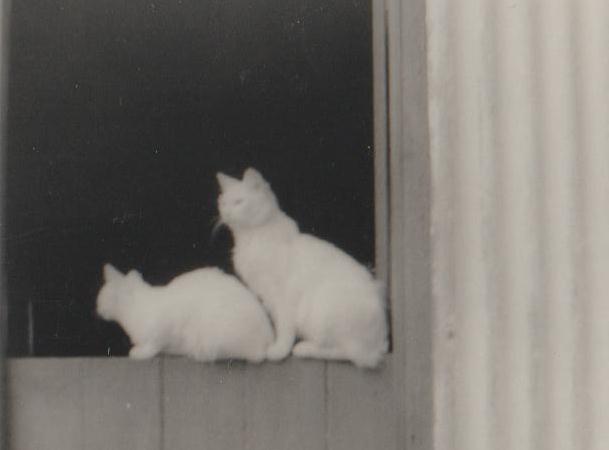
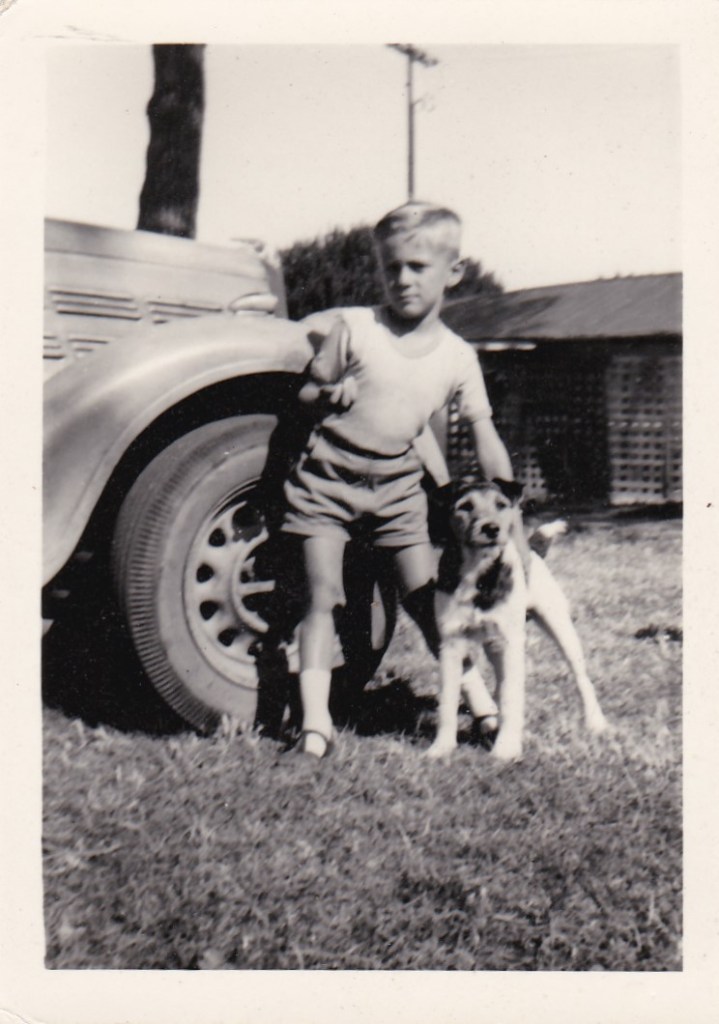
My first pet memories are of the animals my grandparents had. We lived in a flat and no pets were allowed. Granny and Grandpa had a very big garden and lots of pets. The two dogs were fox terriers named Sparky and Atom. Atom was Sparky’s puppy and we thought he was the cleverest dog in the world. There were also the cats, Kitsy, Sylvester and Tibby. Kitsy and Silvester were white. Tibby was a tortoiseshell.

I only remember having one cat, and after he died, my mother refused to let me have another. She was convinced I was allergic to cats, and to be fair, there were times when my eyes streamed whenever I was near them. These days, my allergies are clearly seasonal, so I often wonder whether I was truly allergic to cats back then or whether it was just an unfortunate coincidence. None of my own cats in later years has affected me much at all.

I also remember getting a dog when we finally moved into a house after spending the first few years of my life in a flat. He was a little pavement special named Buster — a big name for a small dog — but he was feisty and fiercely protective of the people he loved. His one great flaw was his obsession with chasing bicycles. We got Buster when I was about nine, and he stayed with us until I was in my early twenties.
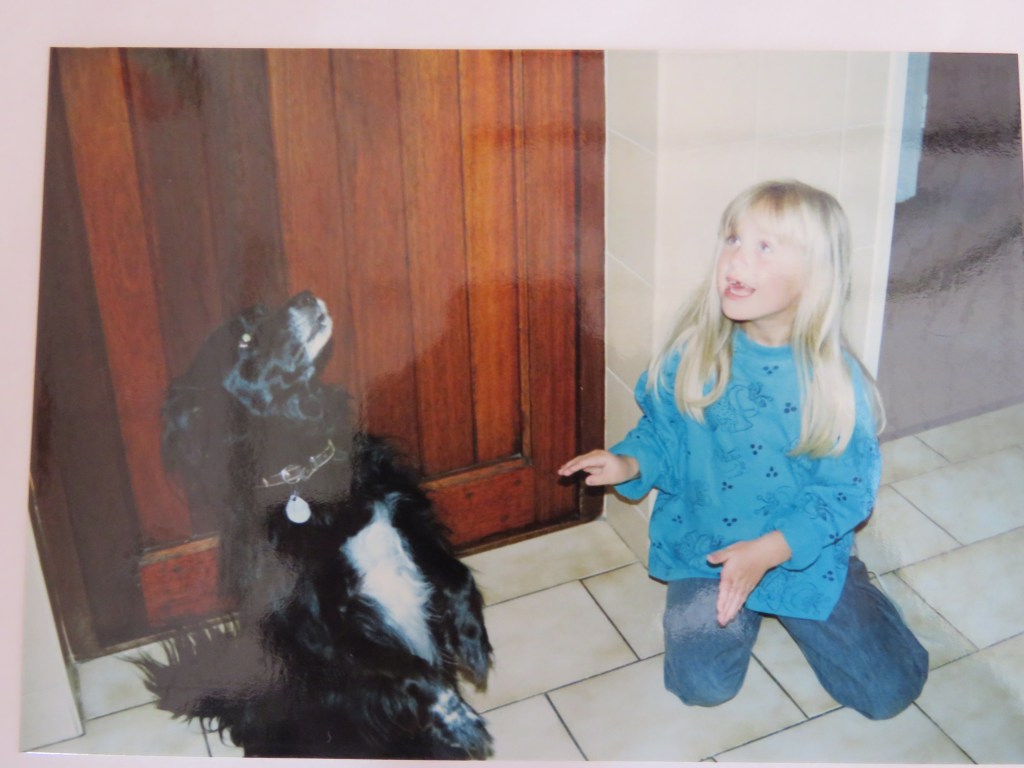
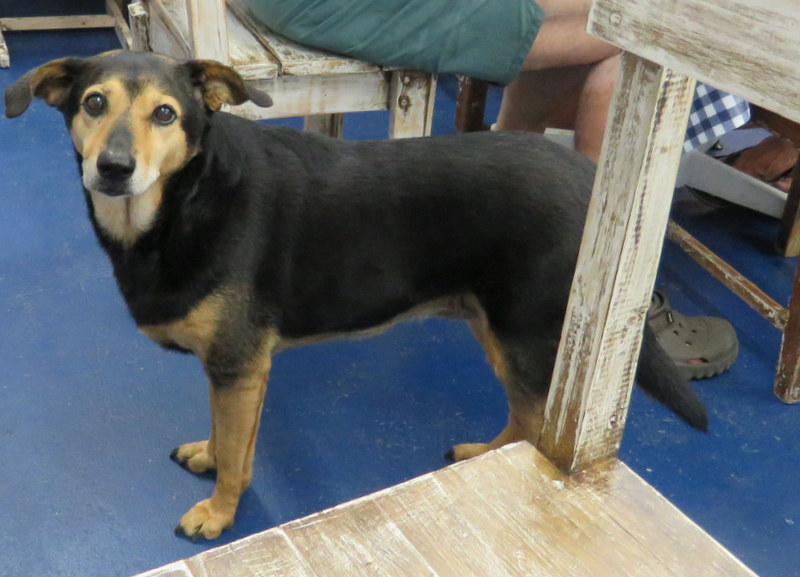
The best dog I ever owned was a medium-sized black mongrel hat looked like it could have had some labrador and spaniel ancestry. Her name was Tammy and she loved to go running with me. I had to be careful not to mention the words, run, takkies, beach, or Chantal (my running partner) until I was absolutely ready to leave or she would go crazy with excitement!

Chantal’s youngest, Beth, teaching Tammy to beg.

3. Have you ever ridden a horse?
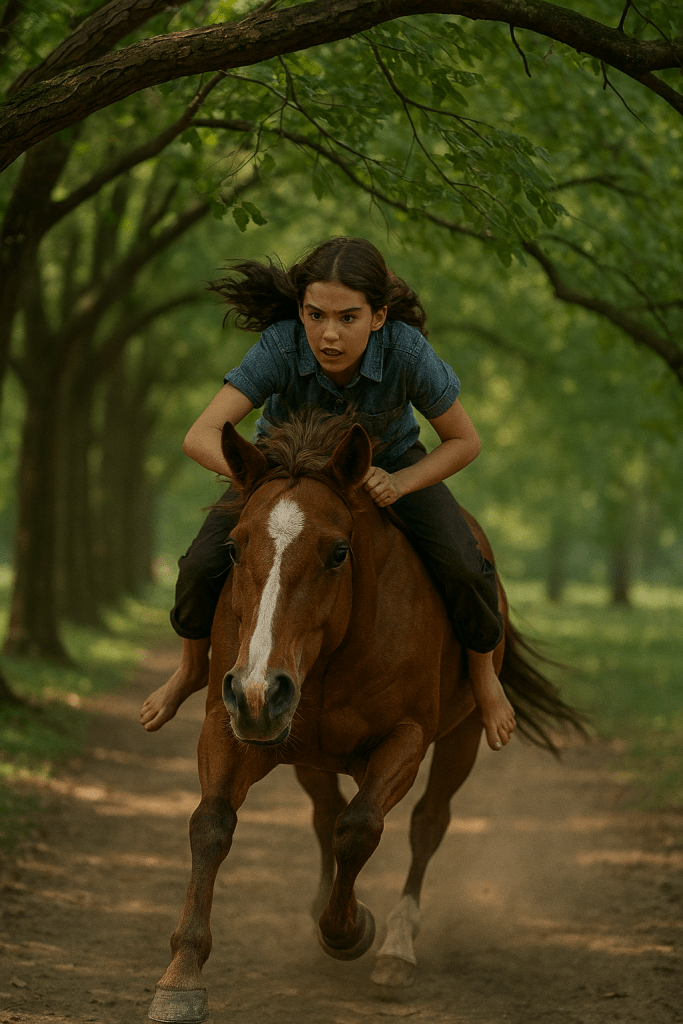
Yes, I have ridden a horse. Growing up, I had a horse‑mad friend who lived on a smallholding and always had a few horses ready to go. She was a fearless, tomboyish sort who thought nothing of taking me bareback at full speed through tree‑lined paths where you had to duck unless you fancied losing your head. It was equal parts exhilarating and terrifying.

AI Generated

As an adult, I married a man with two horse‑mad daughters, and every year we holidayed on their uncle’s farm in KZN. Their cousins were just as besotted with horses, and they insisted I join them on their rides. I did—right up until the day the supposedly “gentle” pony bucked me off and left me with a very unhappy back. I declared “never again” with great conviction.

But, of course, many years later, another horse‑crazy friend talked me into a long beach ride on the Wild Coast. And it was fun. She was thoroughly impressed that, after years out of the saddle and at the age of 50, I galloped along like I actually knew what I was doing. And that was definitely the end of my horse-riding days!

4.  What was your favourite animal in either a zoo or circus?
I live in Africa, so you won’t catch me dead in a zoo or a circus. The idea of animals in captivity just doesn’t sit comfortably with me. That said, I do understand that many wildlife sanctuaries — the genuine ones, not the tourist traps — do important work. They’re educational, and for some people, they’re the only chance they’ll ever have to see a wild animal up close.

I, on the other hand, count myself lucky to have seen so many creatures in their natural habitat. The SANParks reserves are extraordinary, and nothing compares to watching wildlife where it truly belongs.

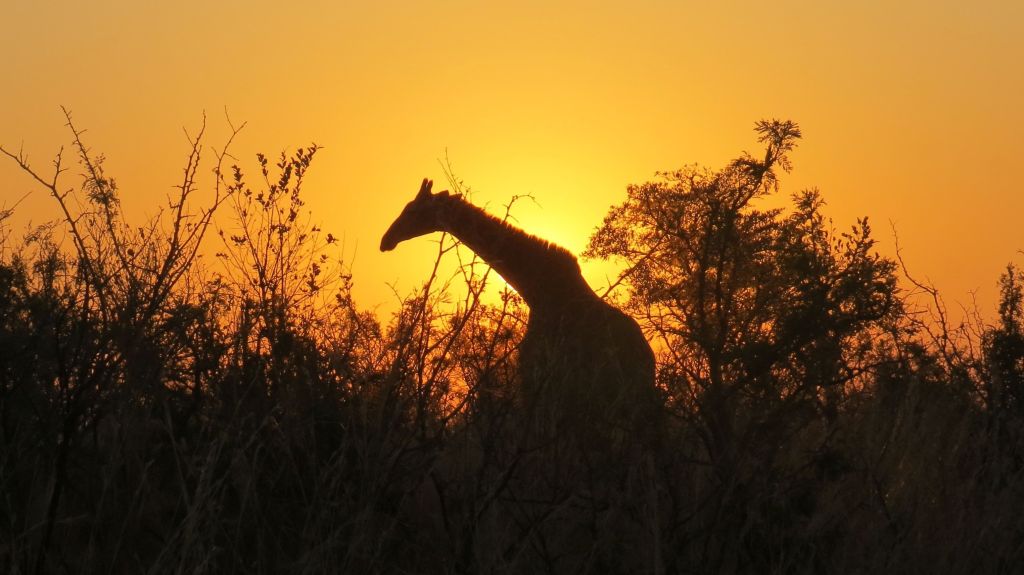
Choosing a favourite animal is nearly impossible, but the giraffe comes very close. There’s something so elegant and unmistakably African about them. It is breathtaking seeing them decorate the African landscape. And when one looks you straight in the eye, it’s almost a spiritual moment — as if they’re quietly evaluating your soul.

I could go on for pages about the wild animals I love, but I’ve already poured all of that into my travel blogs, and I’ll spare you the full version today.

Gratitude:

Today’s questions have allowed me to reflect on some great things in my early life as well as the privileges I have had as an adult. There have certainly been some tough things to deal with over the years but altogether Life has treated me well even if I haven’t always paused to appreciate that fact. Now that I am in my golden years I am so grateful for the pets that have enriched my life, the fun and freedom I had as a child and the joy that my adult adventures have brought me.
Recently I received the heartbreaking news that a very dear friend is terminally ill and I am grateful for the role that she has played in my life and the gentle friendship that has lasted between us since our college days.

Share You World Monday 19 January 2026 – Dreaming of Private Jets and Luxury Travel

Here are my answers to this week’s fun questions from Di

Would you like to have your own private jet?
I was absolutely meant to have my own private jet but unfortunately, something went wrong and I have found myself travelling steerage along with the lesser mortals of this world. I have not even had the good luck to be upgraded for no reason whatsoever like a few of my luckier friends who tell me it was an awesome experience. If I had my own jet as the gods intended, it would be on standby to take me on urgent missions like seeking out where hostages are hidden and rescuing them from their evil captors!

Would you like a chauffeur to drive you everywhere?
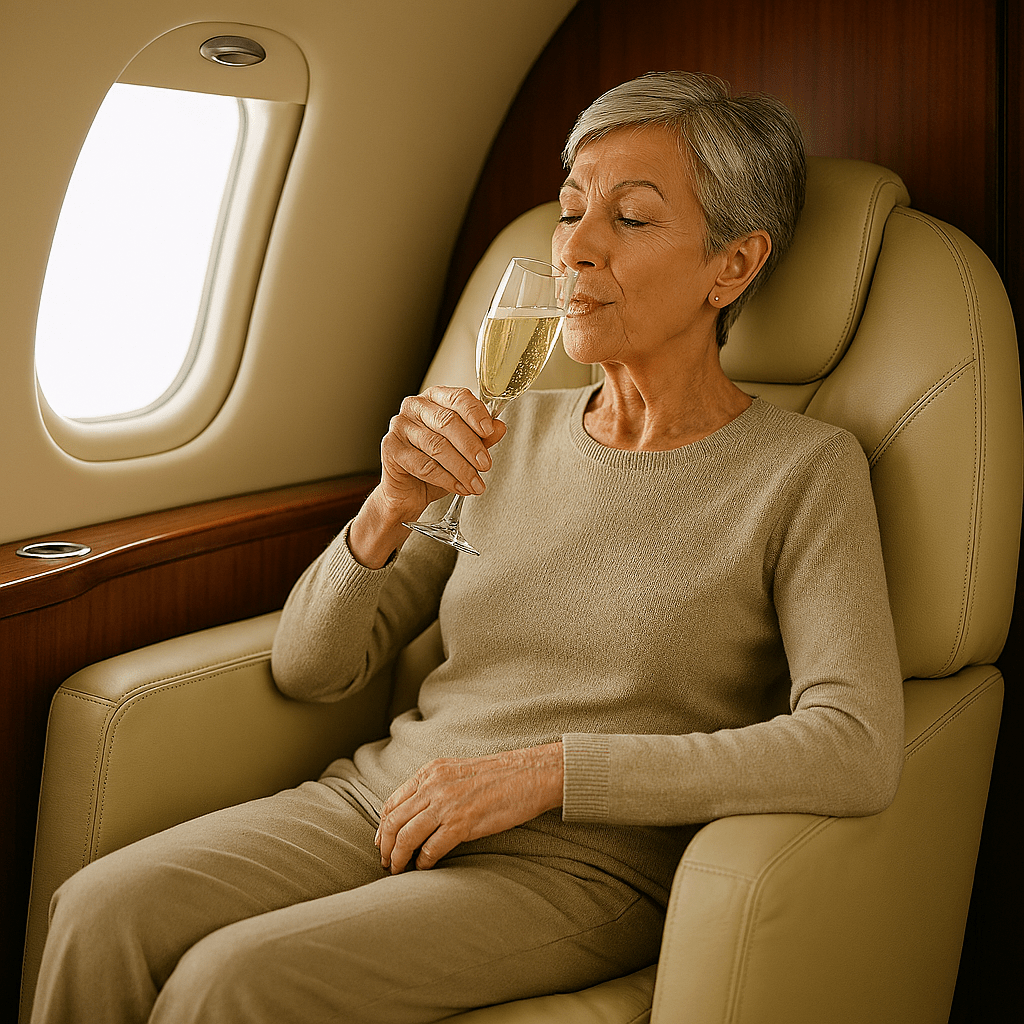
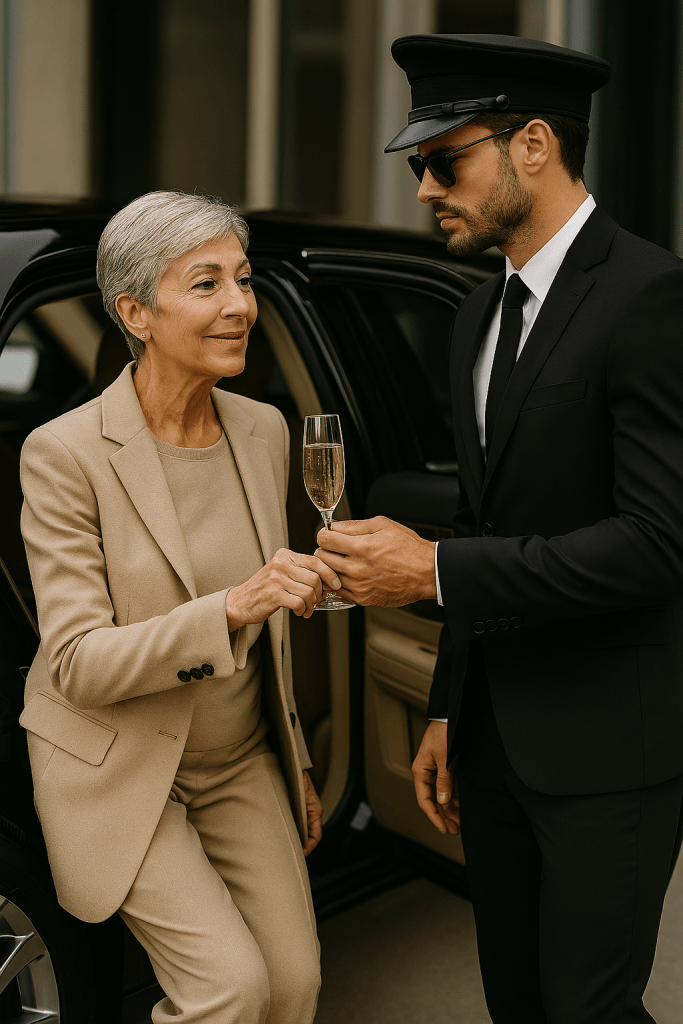
Oh, without hesitation. I want a chauffeur who glides through traffic like a Zen master. Someone who can reverse‑park into a space the size of a shoebox while I sit in the back pretending to be extremely important. Ideally, the car would also have heated seats, a bottomless supply of biltong and champagne, and the ability to magically avoid every pothole on the South African roads.

Would you like to live on your own desert island?
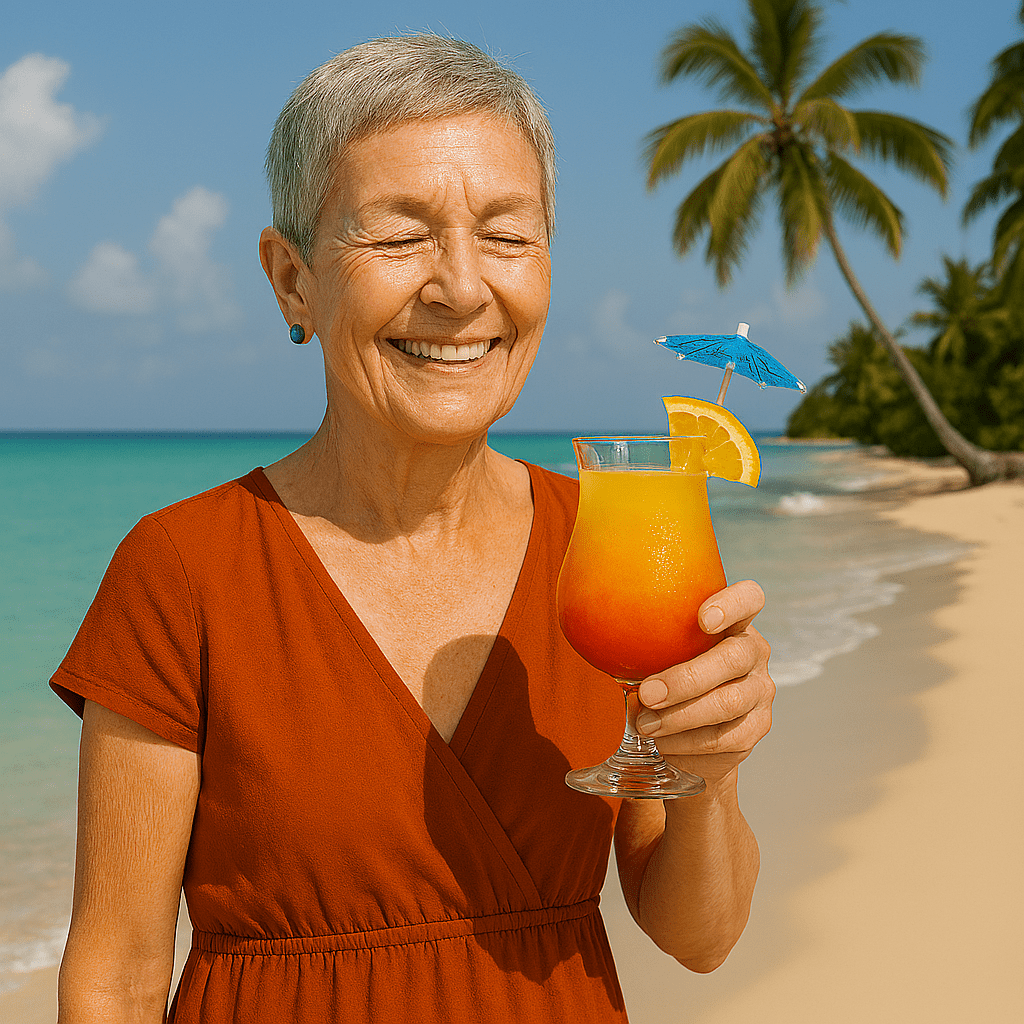
A desert island? Absolutely not. I’ve seen enough survival shows to know I’d last about 14 minutes before trying to befriend a coconut. But a tropical island with warm breezes, turquoise water, and luxury accommodation — now that I could work with. I wouldn’t want to live there alone, though. I’d bring the people I love, plus a small staff who’d be treated like royalty and get plenty of time off to enjoy the island, too.

Have you ever had anything made to measure (suit, dress, shoes etc)
Oh yes — growing up, my mother made most of my clothes. She could look at a pattern, raise one eyebrow, and somehow produce a perfectly fitted outfit as if by sorcery. Later on, I made clothes for myself and my children, following the pattern instructions to the letter. I even made my middle daughter’s matric dance dress – with my mother’s expert guidance! I no longer do dress making!

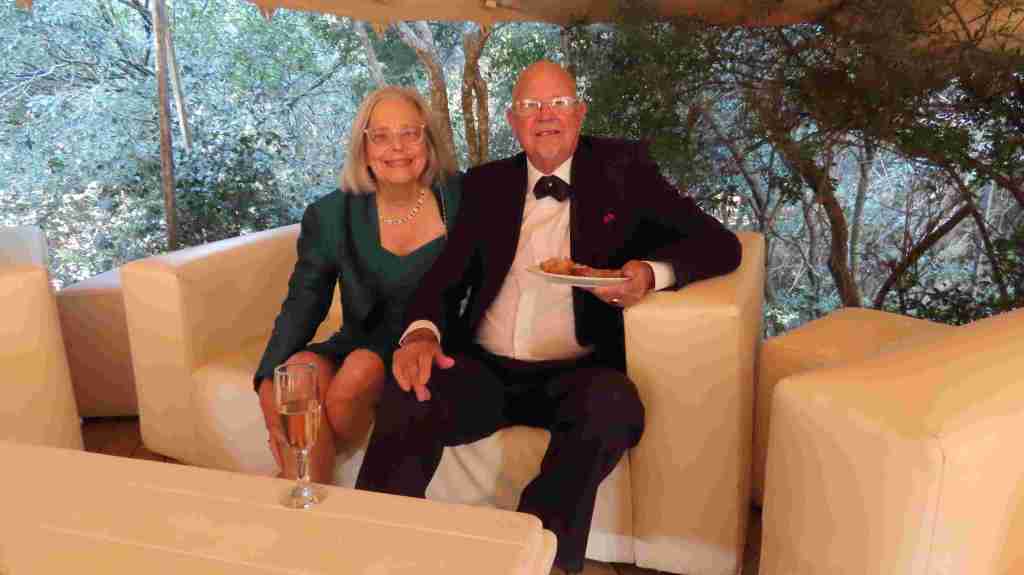
In 1996, I paid a professional dressmaker R600 (£26) to custom-make a green silk dress for my daughter’s wedding. I have worn it to many glamorous functions, the latest being at my granddaughter’s wedding in 2024. To put things in perspective, today the same dress would cost R2700 (£120). Considering that I have had this dress for 30 years, I’d say I got my money’s worth!

And here are The Earl and me looking like we belong in the world of private jets and chauffeur-driven limousines. But really, we’re just guests at our granddaughter’s wedding!

Gratitude: One from Carolyn this week.

It was fun to fantasise about a different world this week but I love this meme above. It is the little things that matter and make one grateful.

Share Your World Monday 5 January 2026 Striding into 2026

Here are my answers to this week’s questions from Di

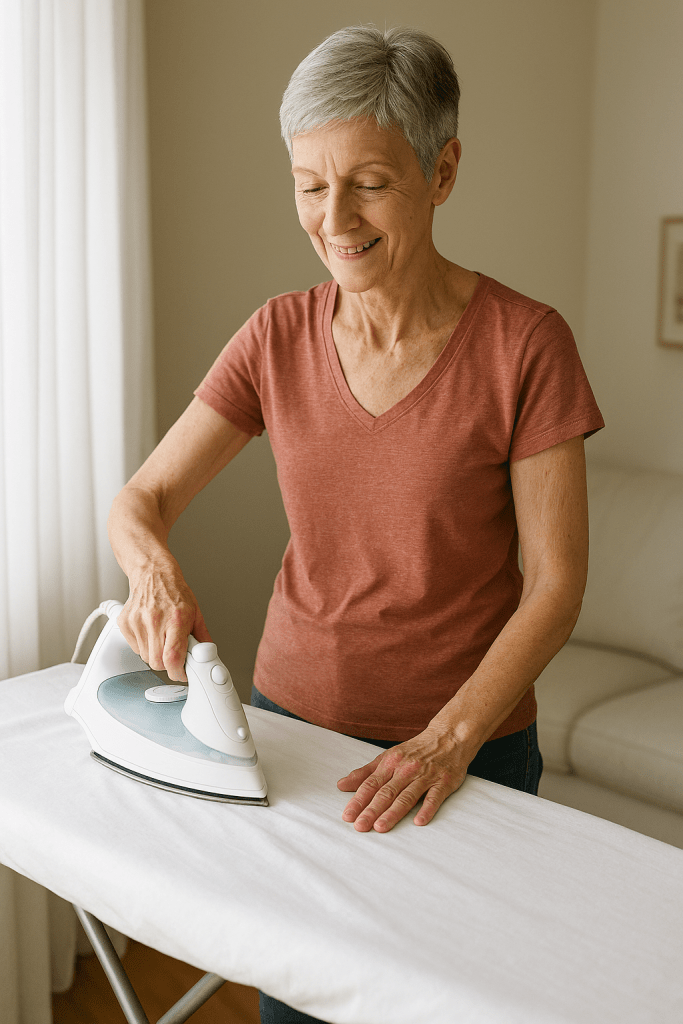
The illustrations in this post are AI-generated

 1. How long did it take you to get back into the normal swing of things after the holidays?
It took me a little while to get back into the normal swing of things. We let our house out on Airbnb over the holidays, which meant quite a bit of preparation beforehand and then just as much sorting out afterwards. My cleaner came in the day before we returned, so we walked into a lovely clean house, but there was still plenty to do. The beds had been remade, but all the used linen still needed washing and ironing. Things we’d packed away for guests had to be unpacked again, sorted, and put back in their proper places.
All those little chores added up, but today I’m happy to say the house is finally back to normal — and I feel like I’m back in my routine again.


2.  Are you looking forward to 2026 with
optimism?

I usually look on the bright side, so yes — I am optimistic about 2026. There will be quite a few changes to our lifestyle, and some of them have already begun. Our camping days are behind us now, and we won’t be doing any major travelling anymore. But there are new projects on the horizon, and I’m hopeful that I’ll find real fulfilment in those. It feels like a different season of life, but a good one.

Looking forward to an interesting 2026

3.  Are you taking part in any of the January WP challenges/prompts?
I hadn’t planned to, but maybe I will change my mind.

4. 


If I could wish one thing for 2026, it would be that everything works out well for each member of our family. Everyone seems to be facing some kind of change this year. Our oldest daughter is in a new relationship, the youngest is navigating changes at work, and the middle one is adjusting to an empty nest while her youngest steps into new career plans. One grandson is preparing to leave the country, while his brother abroad is planning a move to yet another foreign destination. Our married granddaughter has just completed her teaching degree, and although she’s currently working in her husband’s family business, she may decide to pursue a teaching post.
So yes — 2026 is shaping up to be an interesting year, and my wish is simply that each of them finds stability, happiness, and a sense of direction in all these new beginnings.

Gratitude:

I am grateful that everyone in my family is in good health and ready to embrace 2026 with optimism and hope.

Share Your World 15 December 2025 Story Time

Here are my answers to this week’s questions from DI

Life was hectic through November and the start of December, and I fell behind on both reading and writing blogs. Thankfully, things have settled down a little, and I’m easing back into it again.

Did anyone read you bedtime stories as a child?
My mother often read to my siblings and me, though not always at bedtime. I treasured those moments well into my older childhood, especially since I had a much younger brother. (I read to him too!) Winnie the Pooh, Beatrix Potter’s tales, and The Wind in the Willows were firm favourites.

Did you read bedtime stories to anyone?
As a primary school teacher, I read to my classes regularly. I also read to my younger brother, my children, and later my grandchildren—though not always at bedtime.

Reading The Grinch who Stole Christmas to my grandchildren

Do you prefer books, ebooks, or audiobooks?
My first choice will always be a proper book. That said, I’m not opposed to Kindle reading, and I also enjoy audiobooks. I usually have one on the go—they’re wonderful companions while walking, driving, or tackling household chores.


What is your favourite fairy tale?
As a child, I disliked fairy tales, finding them cruel and frightening. Wicked stepmothers abandoning children in forests or poisoning stepdaughters with apples—those were the stuff of nightmares! But as a teenager, I began reading them for myself and grew to love them. I read them to my younger brother too, and he enjoyed them. My favourite is The Frog Prince. After all, don’t we all have to kiss a few frogs before finding our prince? Beyond that, the story’s moral about keeping promises is truly inspiring.

Gratitude
I love the meme for this week’s SYW.
I am truly thankful for my Fairytale life. I kissed the right frog and won my prince, I became a step-mother and didn’t abandon them in the woods, I got to live in a beautiful ‘castle’ with everything I needed, my ‘coach’ gets me to faraway places and I am surrounded by princes and princesses who bring us great joy.


Camping Etiquette: Essential Tips for a Harmonious Experience

Introduction from Helen
Camping—what’s not to love? It’s the ultimate escape from the frantic pace of modern life.
But let’s be honest—while most campers are delightful, there’s always the odd one who is thoughtless and does not consider his/her fellow man. That’s where a gentle nudge toward camping etiquette comes in handy. Not rules, exactly—more like friendly reminders that keep the peace and preserve the magic. Perhaps these reminders should appear in brochures, blogs and signs in ablution blogs and reception areas.
Cathy, our guest blogger, has penned a brilliant guide to the unwritten rules of the wild. Her tips are thoughtful, practical, and worth considering.

(Images are AI generated)

Camping Etiquette: The Unwritten Rules of the Wild
There’s a quiet code among campers—an unspoken agreement that we’re all here to enjoy nature, not to intrude on each other’s peace. Whether you’re tucked into a remote corner of the bush or sharing space at a bustling national park, a little courtesy keeps the experience magical for everyone.
These were rules taught to me by my parents—simple, thoughtful guidelines for camping that I’ve lived by through all my years in the bush. They shaped how I move through wild spaces: with care, respect, and a touch of old-school courtesy. But lately I’ve found myself wondering—are these still relevant? Or have we moved on from these quiet codes of conduct?

Remember Your Manners

Respect the Soundscape
Nature has its own rhythm—wind through the trees, the distant call of a nightjar, the soft crackle of a fire. It’s a symphony that doesn’t need a bass boost. Keep conversations gentle, music low, and save the dramatic retelling of your cousin’s wedding for daylight hours. Quiet hours aren’t just campground rules—they’re a kindness to the early risers, the light sleepers, and the wildlife who didn’t sign up for your playlist.

Listen to the sounds of Nature

Stay in Your Lane (and Out of Theirs)
It might seem harmless to cut across someone’s campsite to reach the ablution block or a friend’s site, but it’s a bit like walking through their living room. Campsites are personal spaces, even if they’re just a patch of grass and a folding chair. Stick to paths, respect boundaries, and if you’re unsure—circle wide. A friendly wave from a distance is always better than a surprise appearance next to someone’s kettle.

Teach your kids to respect the space of others

Leave No Trace (and No Toast Crumbs)
The principle is simple: take out what you bring in or dispose of it in the proper place. That includes food scraps, packaging, and the dirty water from your in-van shower. Wildlife doesn’t need our leftovers, and fellow campers shouldn’t have to pick up or clean up after you. Use bins, if provided, or pack your waste out. Bonus points for picking up a stray wrapper that isn’t yours—karma in the wild is real.

Keep your space clean


Share the Space
Campsites aren’t private kingdoms. Be mindful of how your setup affects others—don’t sprawl across paths, block scenic views, or monopolize communal areas like picnic tables or fire pits. If your tent looks like it’s auditioning for a glamping magazine, make sure it’s not encroaching on someone else’s peace. A bit of spatial awareness and a friendly hello go a long way in building a respectful camping community.

A considerate set-up

Nighttime Courtesy: Torch Use and Awareness
Walking at night around the camp demands a little extra mindfulness. A torch isn’t just helpful—it’s essential. It prevents you from tripping over roots or stepping on something far less forgiving, like a snake or a scorpion. But how you use it matters.
It’s too easy to blind other campers with torches that are waved around. The trick is to keep the light low, pointed at the ground, lighting your path without disturbing others. Headlamps are handy, but they require extra mindfulness—tilt them down and resist the urge to look directly at people while chatting.

Use torches thoughtfully

Fire with Care
There’s something primal about gathering around a fire—but it’s also a responsibility. Use designated braai areas, keep flames manageable, and never leave a fire unattended. When the embers die down, make sure they’re truly out. Our Tearful Bokkie may be fictional, but the risk isn’t.

Make sure campfires are properly extinguished

Hygiene Happens
Washing dishes at the tap, brushing teeth next to the water tank, leaving a shower stall swamped, or rinsing muddy boots and ground-sheets in the shower block? Maybe not. Use proper facilities, biodegradable soap, and keep shared spaces clean for the next person. If you don’t want to step in it barefoot, don’t leave it behind. And yes, that includes toothpaste blobs, hair in the shower drain, and rogue spaghetti strands.
Camping is about connection—with nature, with others, and with ourselves. A little etiquette ensures the experience stays wild in all the right ways.

Use the correct facility and leave it spotless for the next camper

Gecko 109 on Safari – Final Episode -Wildlife Encounters at Kruger: Elephants and More by Guest Blogger, Cathy.

Solar Struggles and Starry Nights: Tsendze and Beyond

As I mentioned in our last post, our departure for Tsendze was delayed by a bit of roadside camaraderie. Waldo and Desiré, fellow campers, had car trouble, and Alec offered to help. After a trip to Phalaborwa and some mechanical magic, the comforting roar of Waldo’s engine signalled success. We packed up, said a warm farewell to our new friends, and finally hit the road.

The drive to Tsendze was lovely—clear skies and a gentle warmth that would later climb to a blistering 37°C. We stopped at Mopani Camp to check in, where the ever-friendly ladies at reception greeted us with their usual friendly faces. Tsendze is one of the few Kruger camps where sites are allocated, so after receiving our spot, we drove the eight or so kilometres back to the entrance.

The gates at Tsendze are a bit of a landmark, and as always, Alec did a quick scan of the bush to ensure I wouldn’t become a widow before opening them. We found campsite #5 and were thrilled to see a large tree offering generous shade—much needed, as the heat had become oppressive and there’s no electricity at Tsendze. Our aircon was out of the question, so we relied solely on our 12V system to keep the fridge and lights going.

Once the van was set up and the solar panels laid out to catch what sun they could, we returned to Mopani for a lazy lunch on the deck overlooking Pioneer Dam. The elephants were having a glorious pool party—splashing, playing, and generally making us wish we could join them.

An Elephant Pool Party at Pioneer dam

Back at camp, the afternoon drifted by as we enjoyed the birds and squirrels in the surrounding bush. As evening fell and the heat softened, we settled in with our customary drinks and opted for a simple sandwich supper, still full from lunch and not quite ready to brave the stove.

As tradition goes, Roger popped by to welcome us. He’s a fixture at Tsendze — knowledgeable, kind, and always ready with a story. He apologized for the foot traffic near our site; a nest of barn owls had drawn curious children from across the camp. Roger’s passion for and knowledge of the birds and animals of the area is encyclopaedic, especially when it comes to owls. It’s always a pleasure chatting with him.

Kruger’s bird life felt like a living field guide. We enjoyed watching them in camp and on our drives. There were many different species but there are a few that are our favourites.

A majestic martial eagle

Marabou Storks were at the end of the line when looks were handed out

A Pale Chanting Goshawk peers out

Mocking Cliff Chat poses beautifully

Ford Tailed Drongos were everywhere

A Kurrichane Thrush looks for supper

Egrets and a Cormorant look for supper

Alec’s favourite Bird – Yellow Billed Hornbill

Burchells Coucal dozes in the sun

Crested Francolin are accomplished beggars

Gorgeous Tawny Eagle

Bennet’s Woodpecker

Southern Ground Hornbills

Beautiful mature Bataleur

White fronted Bee Eater waiting for prey

Busy Magpie Shrike

African Jacana forages in the shallows

After a refreshing shower, we turned in early, eager to explore the area the next day. But morning greeted us with thick cloud cover — a camper’s nemesis when relying on solar power. Our panels, usually reliable in partial sun, couldn’t keep up under the heavy skies. With our battery struggling, we made another trip to Mopani to see if we could swap our booking for a powered site at Letaba. The receptionist worked her magic and found us a place one night, which was better than nothing, especially with school holidays filling up the camps.

We packed up and headed back to Letaba, grateful for the reprieve and already making mental notes about upgrading our electrical setup. Lithium batteries? Better panels? A puzzle for another day.

Letaba welcomed us with a lovely site, and we spent the afternoon revisiting some of our favourite spots—the bridge over the river, Engelhart Dam, and the loops off the Phalaborwa Road. Kruger, as always, delivered. One of my favourite sightings was a line of elephant bulls marching out of the bush to drink at a reservoir—majestic and utterly grounding.

On a blazing day these zebra needed a drink

Buffalo also drinking at the same waterhole

An unusual Kruger sighting – Tsessebe

Five Bulls in a row

Enjoying the freshest water

Hippos ignore the Yellow-billed Storks

Some of the most fearsome jaws in nature

Giraffe necking – some of those hits must have hurt

Waterbuck bulls are more interested in the ladies than us

Just outside camp on our final drive, we had one of those rare sightings that makes you blink twice and wonder if your eyes are playing tricks. We were meandering along the river loops when a flash of white darted across the road in front of us. We stopped immediately, and there it was—perched to the left, a pure white squirrel. I scrambled for my camera, but of course, it chose that moment to focus on the nearest leaves. By the time I’d adjusted, the squirrel had vanished into the undergrowth.

Whether it was a true albino or leucistic, I couldn’t say. But what struck me most was how starkly its snowy coat stood out against the muted tones of the bush—like a tiny beacon in a world of camouflage. It’s a wonder it’s survived to adulthood, given how visible it must be to every predator, feathered or four-legged. We could only hope this little ghost of the veld continues to evade its predators. 

My out of focus pic of the squirrel

Back at camp, we found ourselves surrounded by twelve Maui motor homes, all part of a French tour group. They’d formed a loose circle, and our little Gecko stood out like a lone ranger. The evening was quiet, punctuated by night sounds and snippets of French conversation drifting through the air.

The next morning marked the start of our 2,000-kilometre journey home. As always, leaving Kruger felt like leaving a piece of ourselves behind.

Sunset on our holiday!


Impressions of Kruger

This visit brought a pleasant surprise: signs of real maintenance. Letaba now has a new electrified diamond mesh fence, and the new shop is a welcome upgrade. The debris from the old, burned-down shop has finally been cleared. Though we were a bit unsettled by the sight of a large animal trap near the campsite—what exactly were they hoping to catch?

Across the camps, things looked more cared for. Gardens were tended, paths swept, and for the first time in ages, we didn’t spot toilet paper strewn along the loops near the Letaba River. On our last visit, it had been a real eyesore.

We had a wonderful time—short, but rich with wildlife, quiet moments, and the kind of peace only the bush can offer. There’s nothing quite like sitting under a sky full of stars, drink in hand, the scent of roasting meat in the air. The calls of Scops Owls and nightjars blend with jackal howls, hyena whoops, and every now and then, the deep, primal roar of a lion.

Kruger is more than a destination—it’s a balm for the soul. And it’s a place we’ll keep returning to, again and again.

Share Your World 6 October 2025 – Changing Seasons and Traditions

Here are my answers to this week’s SYW from Di

1.  The clocks go back at the end of October here in the UK. Does your country do the same?
Here in South Africa, our clocks stay put all year round. We do not spring ahead in Spring or fall behind in Autumn (Fall)
I live in Struisbaai in The Western Cape, which sits farther south—closer to the 35°S latitude—which means it experiences more pronounced seasonal shifts in daylight when the sun rises earlier and sets later in the warmer months. On the Summer Solstice (21 December), we enjoy 14 hours and 32 minutes of daylight, with the sun rising at 05:00 and setting at 19:32. First light tiptoes in around 04:30, and full darkness settles by 20:30.
In contrast, the Winter Solstice (21 June) brings a more modest 9 hours and 50 minutes of daylight. The sun rises at 07:46, sets at 17:36, and true darkness arrives by 19:00.
Inland and northern regions like Pretoria or Limpopo are closer to the equator, so their daylight hours stay more consistent year-round.
South African Standard Time is two hours ahead of Greenwich Mean Time.

Not in South Africa

2.  Do you enjoy Halloween?
In Struisbaai, where I live, they haven’t a clue about Halloween. Most of the permanent residents are retirees, and our local shops will not be stocking broomsticks, witches’ hats, or bat-shaped biscuits. Nor will giant pumpkins or jack-o-lanterns decorate the front gardens of our neighbours’ homes.
In the ten years that I’ve lived here, no scary creature has threatened me with trick or treat.
My first inkling that Halloween had crept into South Africa was in the early 2000s when my grandson was just four years old. I’d picked him up from pre-school and he’d solemnly declared:
“Granny—if a monster comes to the door, don’t worry, I will protect you.”
Clearly, something spooky had been discussed at preschool. And sure enough, at 5 PM, a witch knocked. Did my brave protector leap into action? Not quite—he clung to my knees with a terrified look in his eyes.
A year or two later, all fear of monsters disappeared, and he and his brother joined the goblins and fairies who would trawl the neighbourhood in supervised groups, knocking on doors and demanding sugar in exchange for cuteness.

Dracula

These days, Halloween parties are popping up here and there. But in Struisbaai, it’s still just another day. I do keep a jar of sweeties on standby. The local kid count is rising, and it’s only a matter of time before they realise they’re missing out on a perfectly good excuse to dress up and get free sweets!

3.  Dare I ask if you are preparing for Christmas? If you do not celebrate it in your country, do you have any December traditions?
Christmas is all about family for us. Each year, our three daughters, son-in-law, and four grandchildren gather for two blissful weeks at our second-born’s home in Plettenberg Bay. Now that the “kids” are older, we’ve embraced the simplicity of Secret Santa—just one thoughtful gift each, which keeps the pressure low and the laughter high. Our money is better spent on outings, adventures and memory-making experiences.
When it comes to Christmas dinner, it’s a team effort. Everyone pitches in, and I usually take the reins on the Leg of Lamb and Greek Salad—my festive specialties. The day itself? Always fabulous. Full of food, fun, and the kind of togetherness that makes the season truly sparkle.

Our Christmas Table

4.  Are you likely to have snow anytime soon?
Not very likely in the Western Cape but snow can fall in the Drakensberg Mountains at any time of the year, though it is less likely in the summer months.

Santa on Struisbaai Beach – Look guys, no snow!

Gratitude

I am certainly grateful that the cold of winter is retreating in favour of Spring sunshine and warmer day, Although, having expressed that, it is blowing a gale and raining here today. No complaints about the rain – it is always welcome.
Our car is in need of a service and repair to the automatic gearbox – it refused to go into reverse the other day. I’m grateful that it did come right but we haven’t driven the car since for fear it will happen again.
I am grateful that we have a car and that it will just take a tweak to get it back to full, reliable working order again. Imagine if it had happened in the bush with an elephant charging toward us!

Reverse Grandpa, Reverse! – shouted the grandkids

Gecko 109 on Safari – Episode 3 – Wildlife and Tranquility in Kruger – By Guest Blogger, Cathy

In my previous blog, I mistakenly referred to our meal stop as the Farmers Market at Alzu. The correct name is the Farmer’s Bistro. I also mentioned we were heading to Mopani, when in fact it was Maroela—clearly, I mixed up my trees! These slip-ups have now been corrected in the earlier posts.

From Kopjies to Riverbeds: A Journey Through Kruger
We left Berg-en-Dal early, eager to explore a new corner of the Park—Maroela, a satellite campsite near Orpen. The drive was, once again, a joy. Kruger never disappoints when it comes to wildlife, and this leg of the trip gifted us one of the Park’s most elusive treasures: a pack of wild dogs lounging in a riverbed. These endangered canines are high on every visitor’s wish list, and although we’d hoped to spot the resident pack near Satara, we were lucky enough to encounter them much earlier.

Not long after, we found a young leopard trying to get comfortable in a tree. Choosing the right, smooth branch for a lazy day is very important.

Young leopard doing its best to get comfortable

Our First Glimpse of the Dogs

Wild Dogs in the river bed

Every river has its crocodiles!
Not long after, we came across a pride of lions—albeit far from the road. It always amazes me how some people can spot the faintest flicker of movement or a subtle shape in the distance. One kind soul pointed out a green mound near a cluster of trees, and sure enough, through binoculars, nine lions lay dozing in the sun. I’ll never stop marvelling at the eyesight of seasoned bush-goers!

Lions Lazing in the sunshine

One young male keeps watch

A Pitstop at Satara
By midday, we reached the Orpen turnoff and decided to pop into Satara for lunch and fuel. A delicious chicken salad at the Cattle Baron hit the spot, and with a full tank, we made our way to Maroela.

Along the way, we were lucky to encounter another rarity at Kruger, the Southern Ground Hornbill. In fact, we saw these magnificent birds a few times. Did you know that these birds are the largest hornbill in the world and one of the heaviest flying birds in South Africa?

A Gorgeous Ground Hornbill

Another prime viewing was watching this young Bataleur play in a puddle! This daft young bird hopped around, sipped a little, and thought about bathing. It fluffed its feathers, dipped down, and then hopped away again.  It went through this performance a few times before tiring of the game and moving off. What a pleasure to see a young animal just enjoying itself.

A young Bataleur playing in a puddle

Maroela: Quiet Charm by the River
After the bustling energy of Satara, Maroela was a breath of fresh air. Small, quiet, and reminiscent of Tsendze, it offered a peaceful retreat. The gate system is self-managed, and many sites overlook the river—dry at the time, but still frequented by elephants and giraffe.
The ablutions, though a bit dated, were spotless. And the showers? Miraculously well-behaved! No rogue spray patterns—just a steady stream of water where it was meant to go. We quickly settled into a lovely site and headed out for our first drive.
The veld around Maroela looked tired, a clear sign of the dry season’s end. Still, the area was alive with elephants, giraffe, impala, kudu, and more. We’ve never been the type to chase only the big cats. There’s so much beauty in the quieter creatures, and we find endless joy in watching them go about their day.

Everyone waiting to drink from the last pool of water

So many beautiful giraffes

A roadblock you don’t argue with

Side-eye from a Hippo

Zebra drink at Nsemani Dam

Rain and Reflection
On our last night at Maroela, the heavens opened. Rain at last! I swear the bush sighed in relief. Thankfully, we’d packed away our awning the night before, so there was no soggy canvas to wrestle with in the morning. After a leisurely breakfast, we set off for Letaba—one of our favourite camps.


Letaba: The Place of Sand
We made good time and arrived late morning, finding a semi-shady site near the fence. Most trees here are Mopani, and at this time of year, they’re bare. It’s a blessing for game viewing—you can see much deeper into the bush, but shade is scarce in the camp.
One of Kruger’s prettiest sights is the Letaba River from the bridge. It’s a haven for waterbuck, hippos, and birds. We spotted African Spoonbills, Three-banded Plovers, Goliath and Grey Herons, Saddle-billed Storks, and the resident Fish Eagle pair.

One of the prettiest views – Letaba River from the bridge

A Waterbuck ram dines on water plant

A pied kingfisher waits for a meal to swim by

Drives and Discoveries
Letaba offers a variety of scenic drives, and we explored most of them during our three-day stay. Elephants were everywhere, and giraffe sightings were particularly lovely. Wildebeest, zebra, and kudu kept us entertained throughout.
On our final afternoon, we stumbled upon a lion kill—perhaps one of the most dramatic sightings we’ve had. Two lionesses were feasting on a buffalo right beside the road. The sound of bones cracking in the silence was a visceral reminder of their power. It’s no wonder the bushveld lives in awe—and fear—of these magnificent creatures.

Lions feast on a buffalo

We could clearly hear the crunching of bones

Elephant Hall – A Must Visit
Of course, no visit to Letaba is complete without once again standing in awe of the tusks of the magnificent tuskers that have lived at Kruger. The Elephant Hall museum is a mine of information about the elephants of the Kruger, and there are many fascinating exhibits to look at, all related to elephants and their life cycles.
There is also a small exhibit of different skulls and skins of other animals in the park. This small museum is well worth a visit if you are in the area.

Life-size statue outside the Elephant Hall

Loads of info about elephants

Each tusker has his own display with his tusks

Selection of skulls and skins from other critters

Stars, Braai, and a Glass of Merlot
That evening, we watched the resident hyena pace along the fence, enjoyed a sundowner, and soaked in the peace of camp life. There’s nothing quite like a star-filled sky, the scent of braai in the air, and a glass of merlot in hand.
Again that night, the heavens opened, and we had a terrific thunderstorm. The wind howled and the rain pelted down. Again, the bush got a good watering so I am sure that the green grass is not far away!
A Morning Mishap and a Friendly Fix
The next morning brought a hiccup—our neighbours’ Toyota battery had died overnight. Even a jumpstart couldn’t revive it. Alec drove Waldo to Phalaborwa for a replacement, which delayed our departure for Tsendze. But in true bush spirit, we made new friends, so it was a win-win.
Now, as we head off to Tsendze—where there’s no 220v—the next chapter of this blog will have to wait. But something tells me it’ll be worth the pause.
Gecko 109 on Safari Episode 2 – Discovering Crocodile Bridge: Warthogs and Wildlife – by Guest Blogger, Cathy

From Bass Lake to Crocodile Bridge: Surprises, Sightings, and a Mop-Wielding Warthog Wrangler

We left Bass Lake early, slightly anxious about finding our way back to the N4 and bracing ourselves for the inevitable convoy of trucks. Thankfully, we navigated back to the N1 without a hitch and soon merged onto the N4. It was busy, as expected, but the dual lanes made for a smooth enough drive.

With no breakfast in our bellies, we decided to stop at the next promising spot—and that turned out to be Alzu. What a surprise! We expected the usual roadside pit stop: a fuel station, maybe a tired-looking restaurant. Instead, Alzu felt like someone had plucked a strip mall from Joburg and dropped it in the middle of the bush. Multiple restaurants, a shop that could rival a small city, and crowds of people everywhere.
After peeking into Mug & Bean and Spur, we opted for the quieter Farmer’s Bistro. Good call. They served up toasted egg and bacon sandwiches on thick farm bread—hearty, delicious, and paired with the obligatory mountain of chips. Alec and I couldn’t even finish ours.

Back on the road, we made good time until we hit a jaw-dropping queue of trucks near Komatipoort—15 kilometres of slow-moving metal. It made us wonder: where do these drivers eat, sleep, or even find a bathroom? Most of the ore trucks don’t have sleeper cabs, so it must be a rough few days inching forward.

Eventually, we turned off towards Crocodile Bridge and felt that familiar thrill—Kruger time. We’d never stayed at Croc Bridge before, and it turned out to be a gem. Neatly demarcated campsites (a rarity!), a warm welcome from the resident bushbuck, and a shady, safe spot for Lizzie, our caravan.

The camp was spotless, with beautifully tended gardens. We met a man wielding a bright green, slightly moth-eaten mop—his warthog deterrent. Apparently, the warthogs like to sleep under vehicles and have midnight tusk-fueled brawls that wreak havoc on wiring. Mop diplomacy at its finest.

Our game drives were fantastic. A courting pair of lions stole the show, but we also saw herds of impala, elegant kudu, and some lovely birds. Croc Bridge was the perfect start to our holiday.

That said, Monday marked the beginning of SAN Parks’ free access week, and the roads turned chaotic. Sightings always cause traffic jams, but with the surge in daily visitors, it was borderline gridlock.

Our courting couple off to find a room
A cute steenbok stopped to say hello
Our first Ellies – Always a treat
Plenty of beautiful giraffe
The scourge of Crocodile Bridge!

The Long Drive to Berg-en-Dal: Rhinos, Rock Formations, and a Camp That Could Use a Map

After two nights at Croc Bridge, we headed to Berg-en-Dal. We had three options: backtrack to the N4 and brave the trucks again, take the bone-rattling gravel road between Croc Bridge and Malelane, or enjoy a leisurely drive up the tar road via Skukuza. No contest—we chose the tar road and stopped at Lower Sabie for breakfast.

Berg-en-Dal was bustling. Cars, vans, tents—everywhere. It took a while to find a spot, and honestly, I wish SAN Parks would follow Croc Bridge’s lead and demarcate sites. At Berg-en-Dal, it was hard to tell where one site ended and another began. At one point, a tent was completely boxed in by vehicles, and a mini reshuffle was needed just to let the poor campers out.

Still, the sightings were wonderful. The landscape here is stunning—rocky kopjies and dramatic rock formations. It’s prime rhino territory, and we were lucky to spot a cow and her calf. The highlight, though, was a female leopard doing what leopards do best: napping. She was so relaxed, it felt like a privilege just to watch her breathe.

After two lovely days, it was time to pack up and head to Maroela—another first for us.

Such an elegant lady – female Kudu
A stunning lilac-breasted Roller
Buffalo by the dozen
Alec’s favourite bird – yellow-billed hornbill
Grey Heron – head on!
Mama Rhino with her calf

One sleepy leopard
Wonder if the elephant wanted to admire the fig

The Curse of the Smartphone: A Rant from the Riverbank

One thing I just can’t wrap my head around is the obsession with phones. At Lower Sabie’s Mug & Bean, we sat on the veranda overlooking the magnificent Sabie River. Birds flitted across the water, animals moved in the distance—and yet, most people were glued to their screens.

Before even greeting the waiter, phones were out, thumbs scrolling. No eye contact, no conversation, just a sea of faces lit by blue light. And it’s not just teenagers—it’s everyone. Why come to the park if your main interest is a 4×6 inch screen?

Don’t get me wrong—my phone’s a useful tool. But I sincerely hope it never becomes the most important thing in my life.