
Note: To view the group of photographs, click on the first one to enlarge it. Use the arrows to navigate the slideshow. Press ‘escape’ to return to the blog post. On your phone, swipe to view each photo and tap the ‘x’ to return to the blog post. You may also need to tap the information icon to view the captions.
22 October 2024 to 25 October 2024
The final game reserve we visited was Mountain Zebra National Park near Cradock in the Eastern Cape. Upon signing in at the entrance gate, we were initially disappointed to hear that culling would occur during our visit. Later, we discovered that it was conducted at night, which did not affect our stay in any way.

Fortunately, the weather began to clear up, allowing us to set up camp just before the onset of rain. Since it wasn’t warm enough to cook outside and we are all getting too old to rough it, we opted for the convenience of eating at the lovely camp restaurant. Each day the weather got better until the last two were quite hot.


We’ve visited Mountain Zebra many times and have experienced most of their 4×4 trails. However, this time we opted not to take our car on these routes and instead adhered to the standard gravel and tarred roads.
The scenery in the park is stunning,

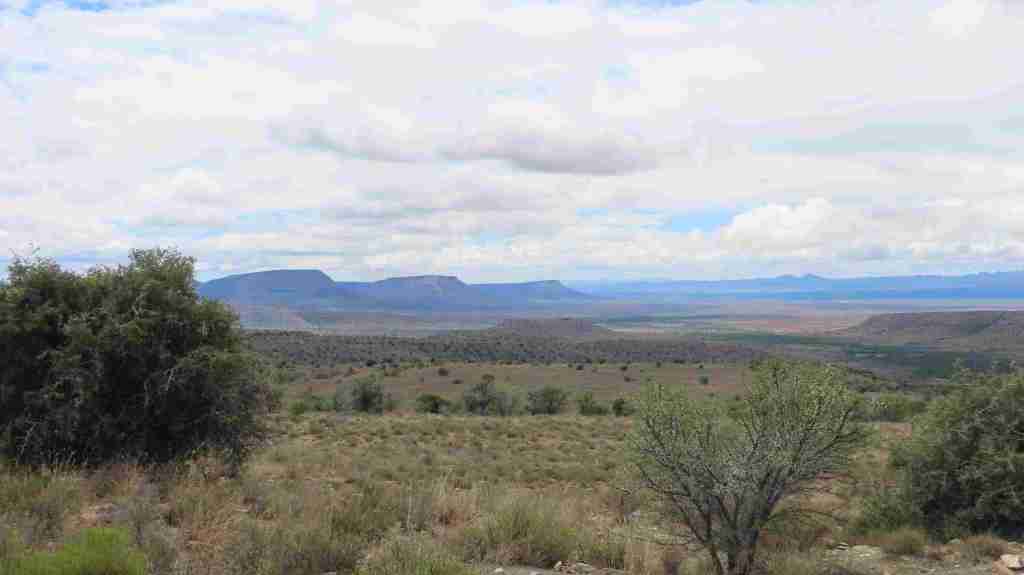

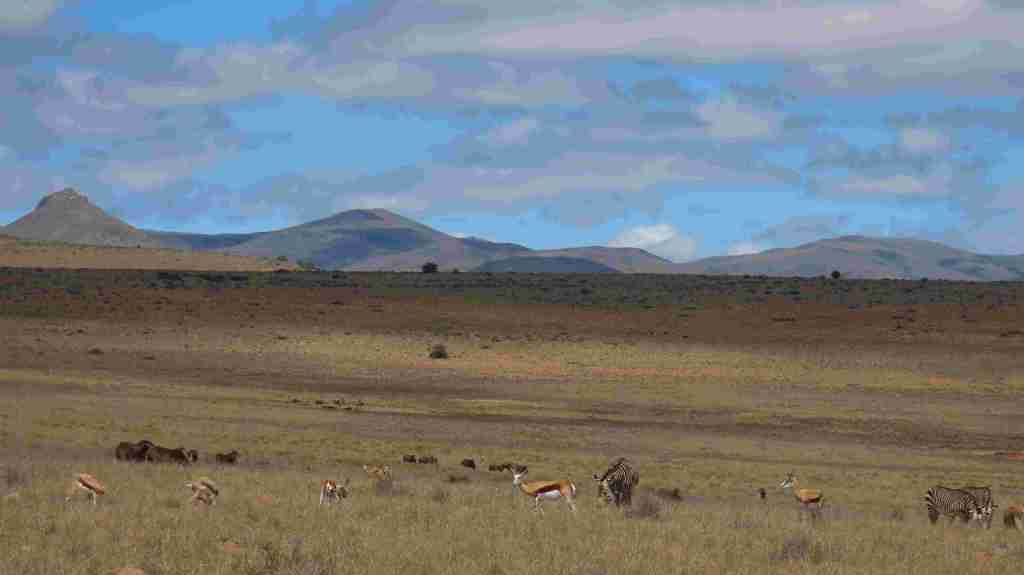


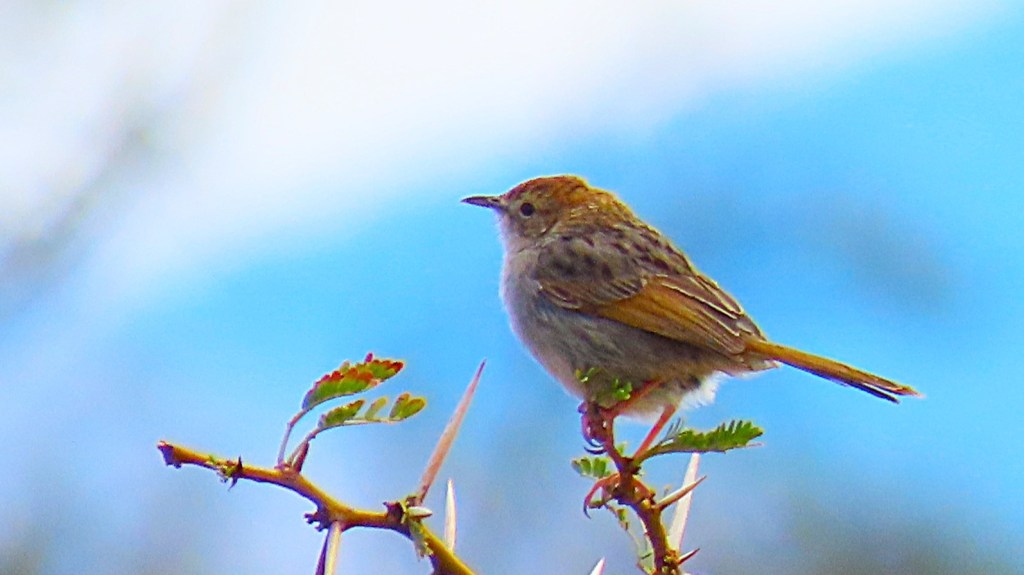
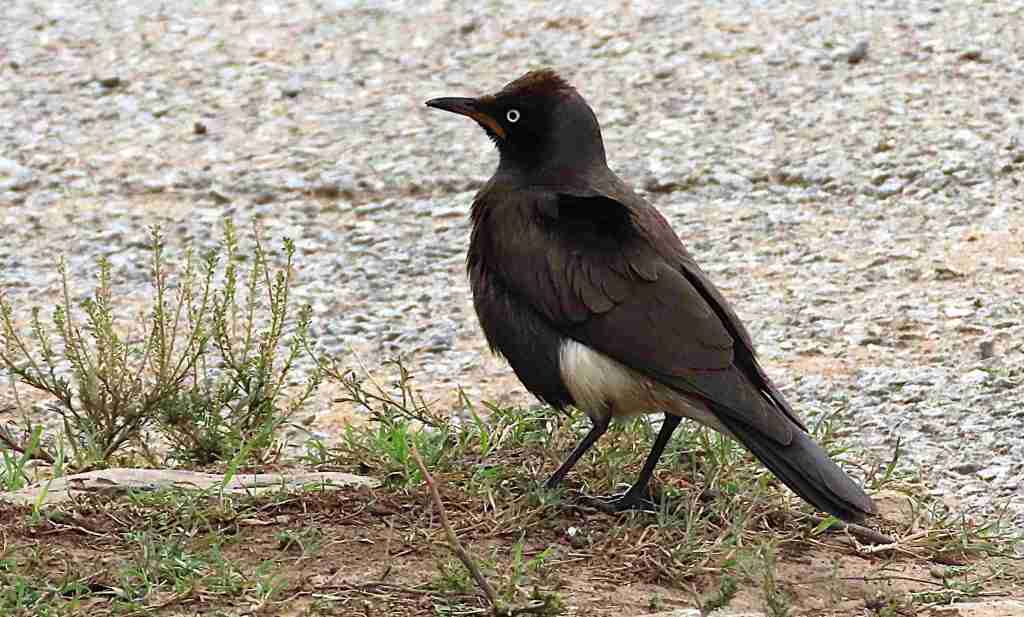
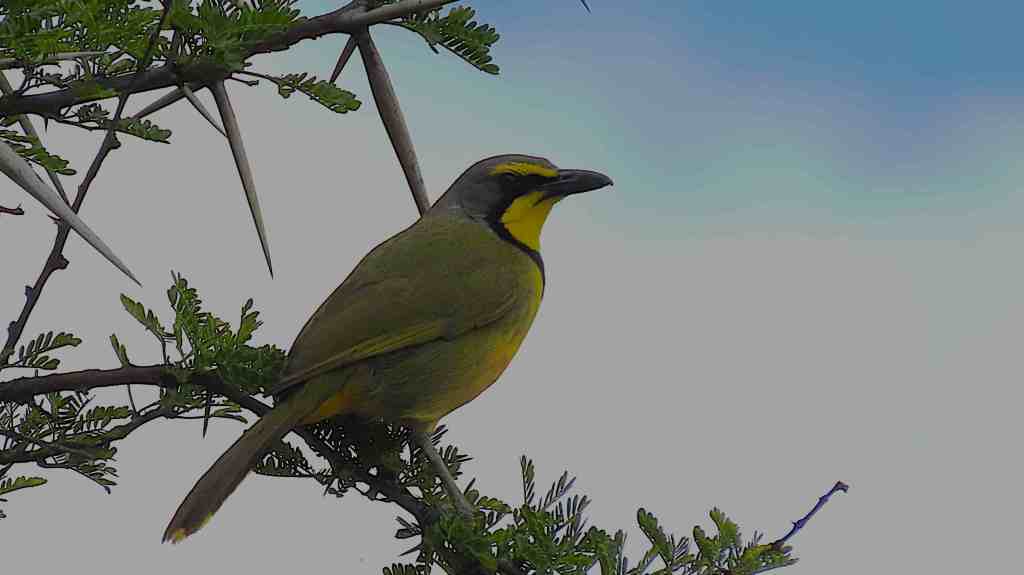
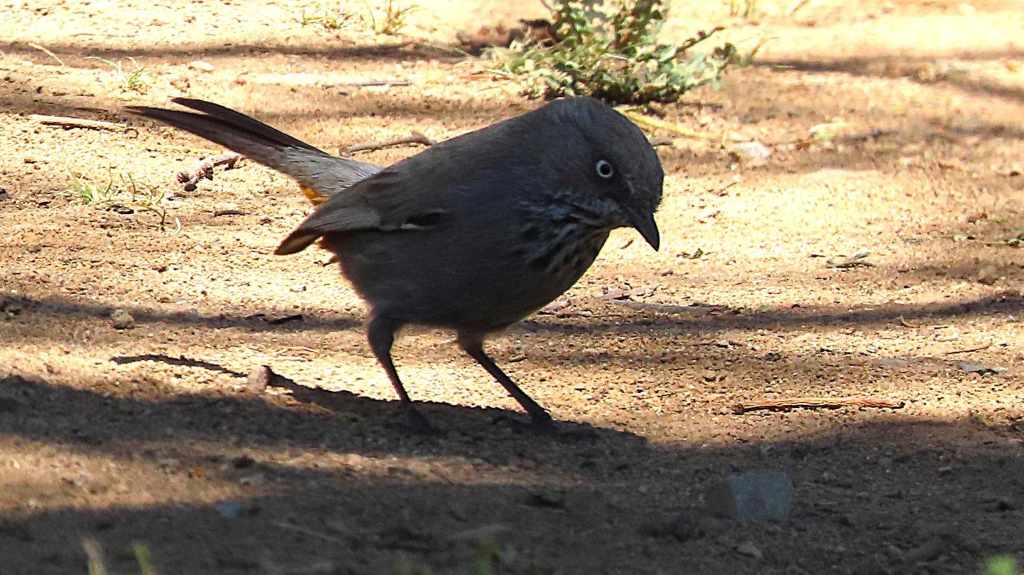
We were thrilled to discover an abundance of wildlife. At times, we encountered vast herds composed of various species mingling together. As avid birdwatchers, we paused for each bird, compiling a list of approximately 50 different species, though we captured fewer photographs.







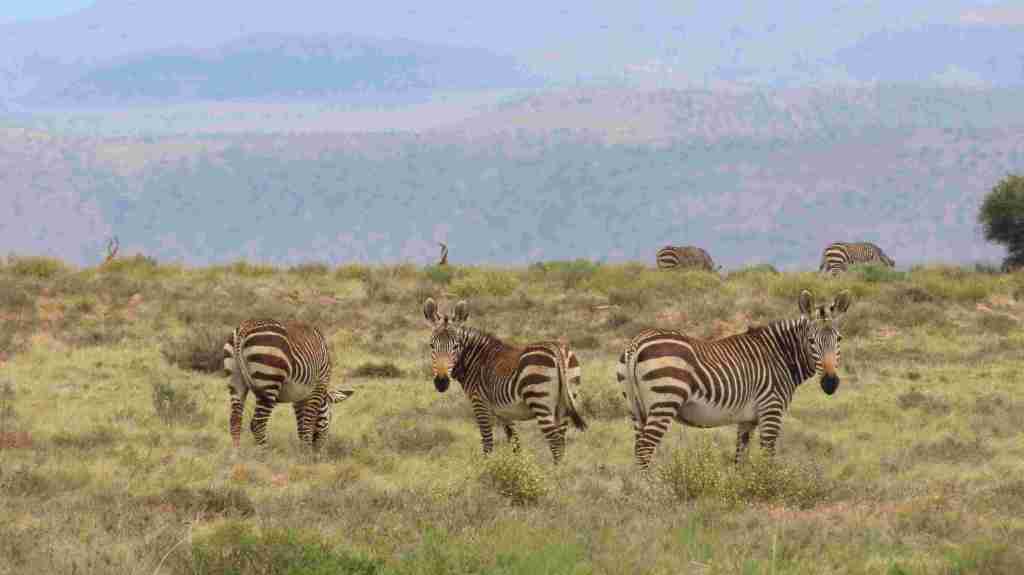
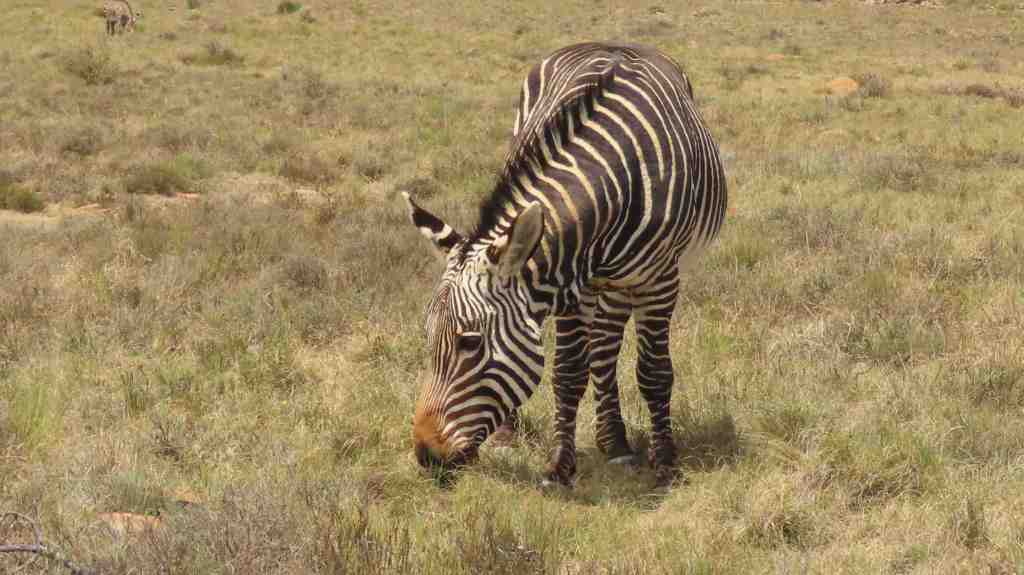
Naturally, the first animal we encountered in the park was a Mountain Zebra, and these creatures kept us amused throughout our visit. At times we observed them alone, at other times in large herds, and occasionally alongside other animals.
South Africa has three different species of zebra namely Plains Zebra, Mountain Zebra, and Grevy’s Zebra. (Grevy’s not seen in South Africa – only East Africa – Thanks Anne for the correction.)
The Plains Zebra is the most common and is characterized by broad stripes that can run horizontally or vertically, often accompanied by shadow stripes.
The Grevy’s Zebra is significantly larger than the other species, with narrow pinstripes and a sturdier build.
The Mountain Zebra is smaller, distinguished by a dewlap and stripes that are narrower than the Plains’, and more distinct, particularly on the rump.
Each species has adapted to its environment, with the Mountain Zebra as its name suggests, favouring mountainous regions.
In the 1930s, the Mountain Zebra was considered a threatened species, which led to the establishment of the park for their protection. This initiative has proven to be successful, as there are now large herds of them thriving in the park.




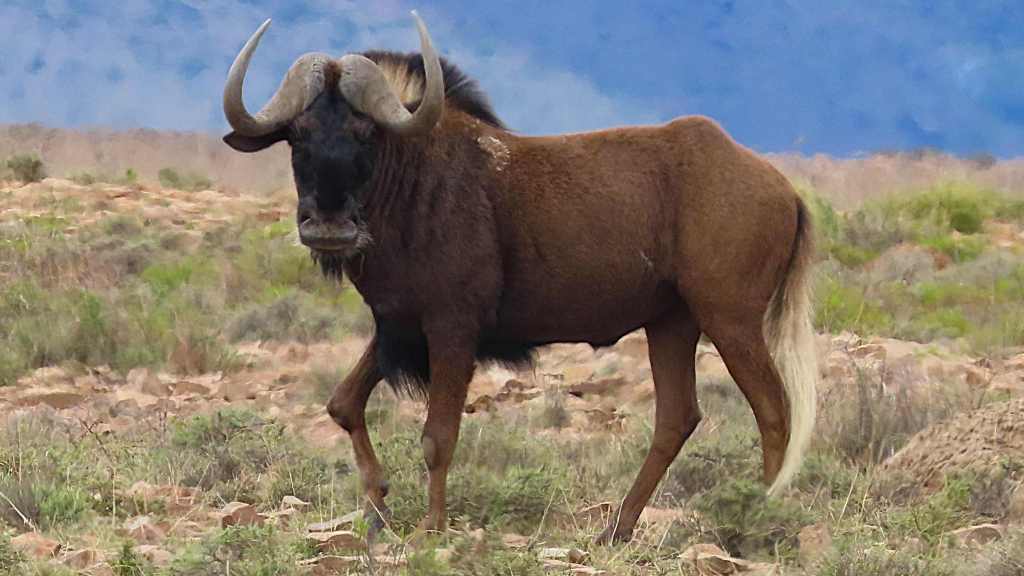
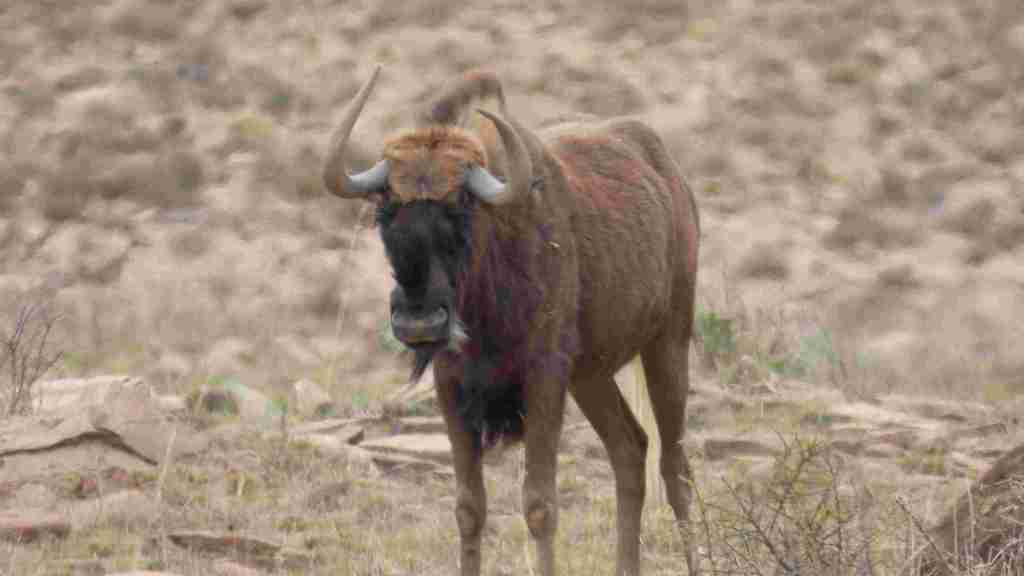
Another species that is thriving well in this park is the Black Wildebeest/White-tailed Gnu.
Blue Wildebeest/Brindled Gnu/White-bearded Gnu prefer the savannah. They are larger and have horns that curve sideways out from the head.
Black Wildebeest/White-tailed Gnu are smaller, have horns facing forward, and have white tails.

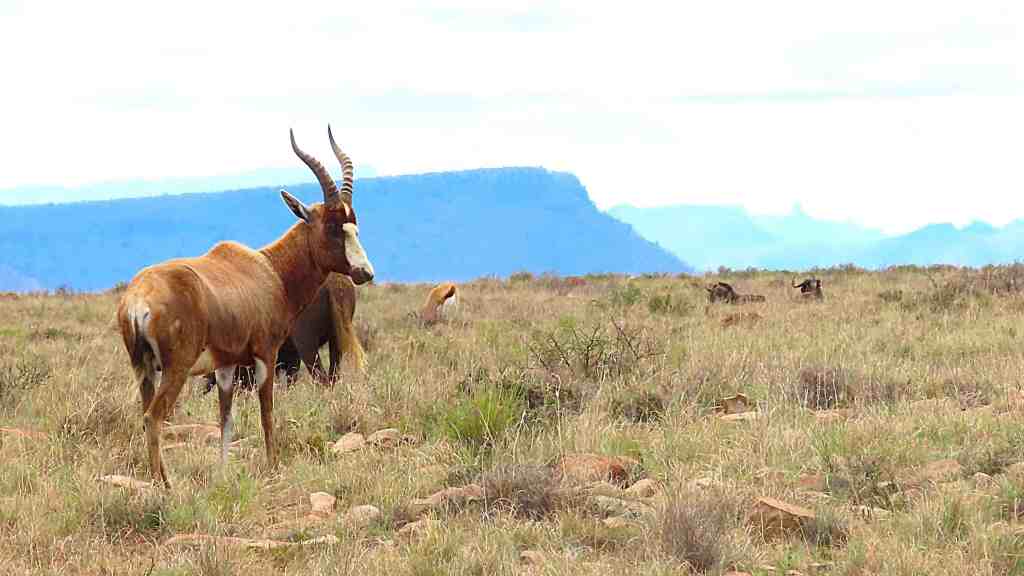
Antelope species common in the park are Blesbok, Red Hartebeest, Gemsbok, Eland, Kudu, Springbok and a variety of others that we did not spot.


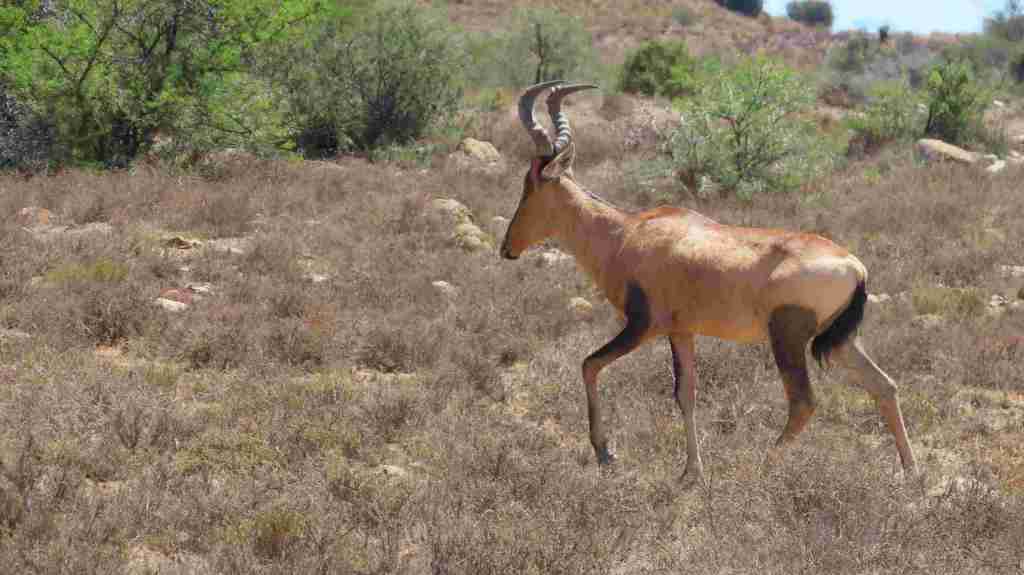


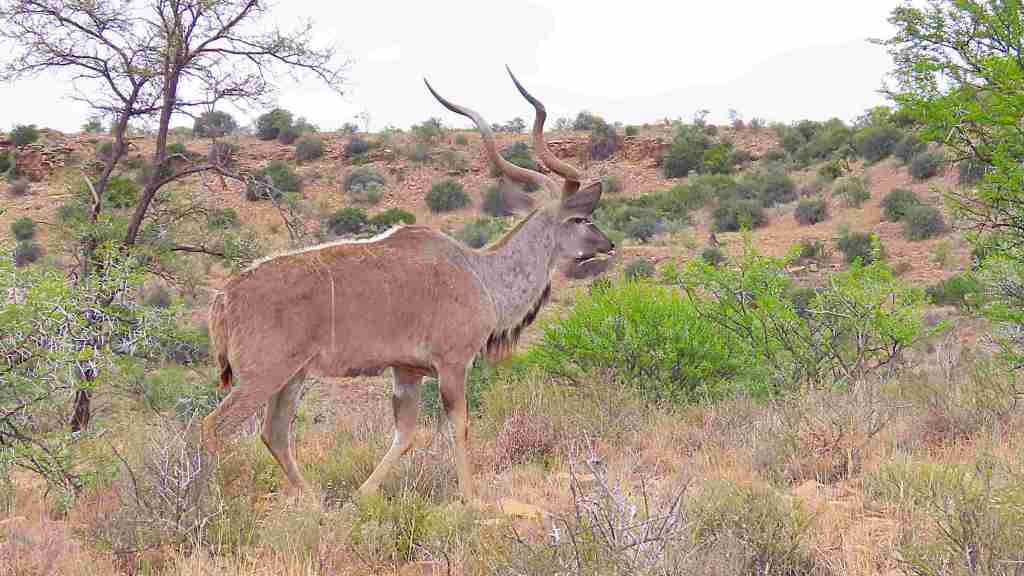


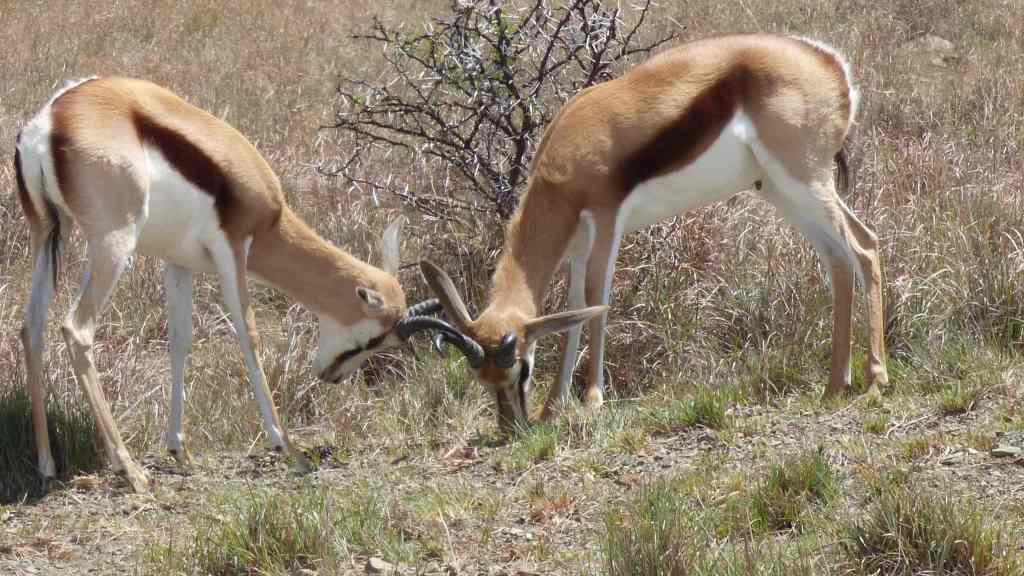
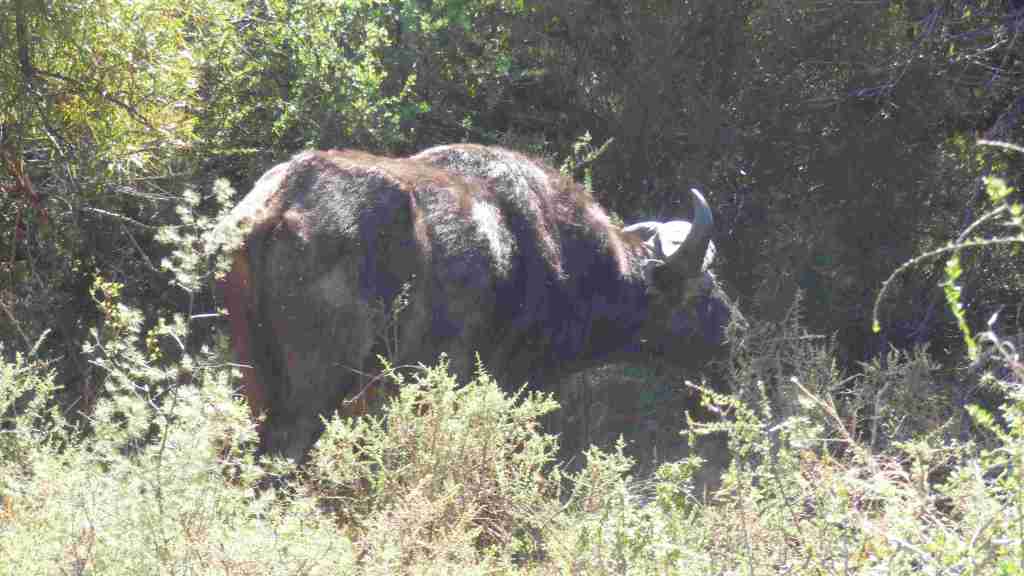
Other creatures that gave us entertainment were jackals, ground squirrels, and buffalo.


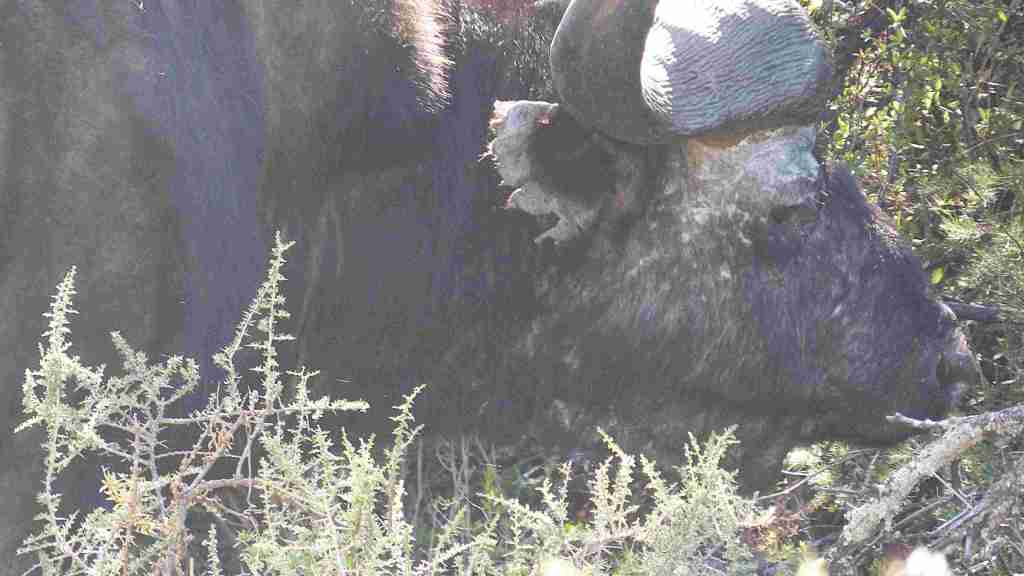
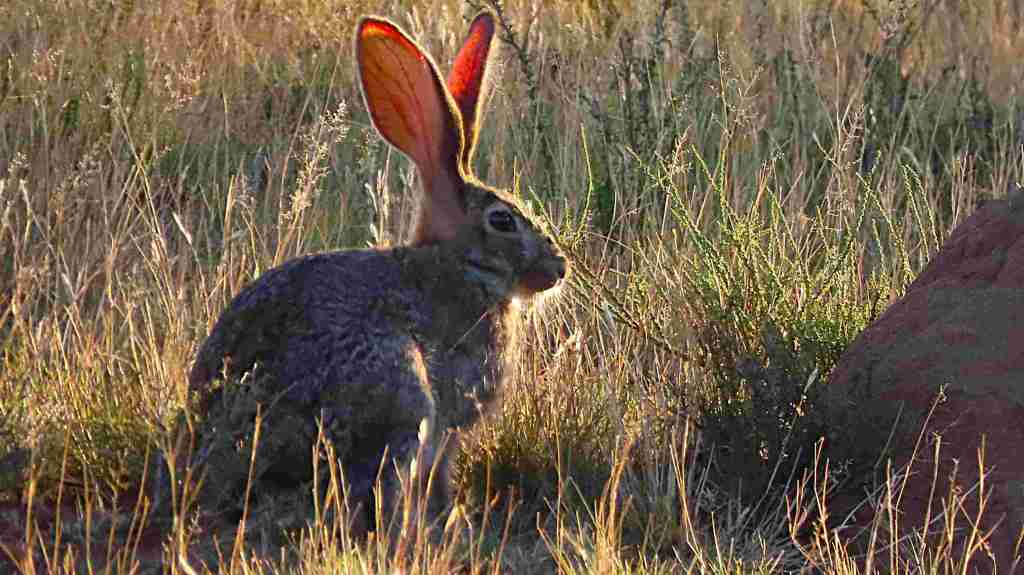
In camp we were also delighted to have some smaller visitors.


On our second day in the park, our travelling companions, Alec and Cathy saw a mother cheetah and two cubs. I was thrilled for them but also a little jealous that we had missed this awesome sighting. The next day we set off to find them on the Ubejane Loop but were disappointed. They were nowhere to be seen.
It was our last full day in the park and the weather was stunning. “Let’s see if we can find those cheetahs today, ” I suggested to The Earl. “They’re probably long gone but let’s be positive.”
We made our way to the Ubejane turnoff. It was after nine o’clock and I felt that we should have left camp earlier. But we couldn’t have timed it better. A single white Toyota Land Cruiser was standing still a short way from the turnoff. The Earl drew up beside him and I nearly jumped out of the car when he said they were looking at a cheetah! But do you think we could locate her? We scanned the hillside and then turned to the guy for clearer instructions. How insane! We had looked too high and too far not believing she could be right there, under a bush, sitting up and literally waving at us!

“Where are the cubs?” The Earl was worried. After a few minutes, one appeared and came to sit with Mom. Soon a second came along and we breathed a sigh of relief that they were both safe.
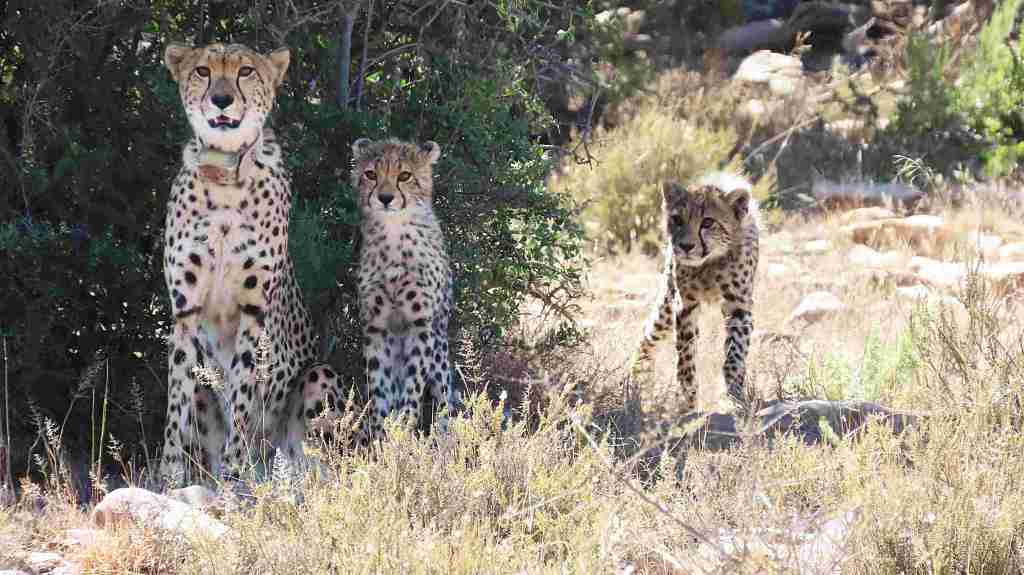
And then another one appeared.

It was breakfast time and Mom needed to hunt. She instructed her cubs to stay put and set off to find food. For over an hour we watched her hunt but although she made two attempts her prey got away. I was glad for the poor bokkie but sorry that the family had to go hungry for a little longer.


Cheetahs were successfully reintroduced to the Mountain Zebra National Park in 2007 and have thrived in the mountainous terrain. Having never spotted them on previous visits, I considered booking a guided game drive. However, I’m glad I refrained, as this self-discovered sighting became the highlight of our trip.
I have asked Cathy to write a ‘guest blog’ and her story will appear here soon.
 Adventuring into Retirement