Tag Archives: Struisbaai

2013 -A Legendary Year 0f The Two Oceans Marlin Tournament

Some years are simply ordinary, with good and bad things happening, and nothing spectacular occurs to have you rushing to write home about. But 2013 was not one of those years for the anglers of The Seventh Two Oceans Marlin Tournament. This one was a truly bumper year when Thirty-eight boats took part and no fewer than thirty-nine malin were caught and released.
I would love to share all the stories of those who wrestled with the mighty giants of the ocean, but I was not involved in TOMT in those early days. However, James Taylor, a crew member of Gwaza skippered by Andrew van Zyl, has sent me the tale of how Gwaza won the day! This story also appeared in Ski-boat magazine that year.
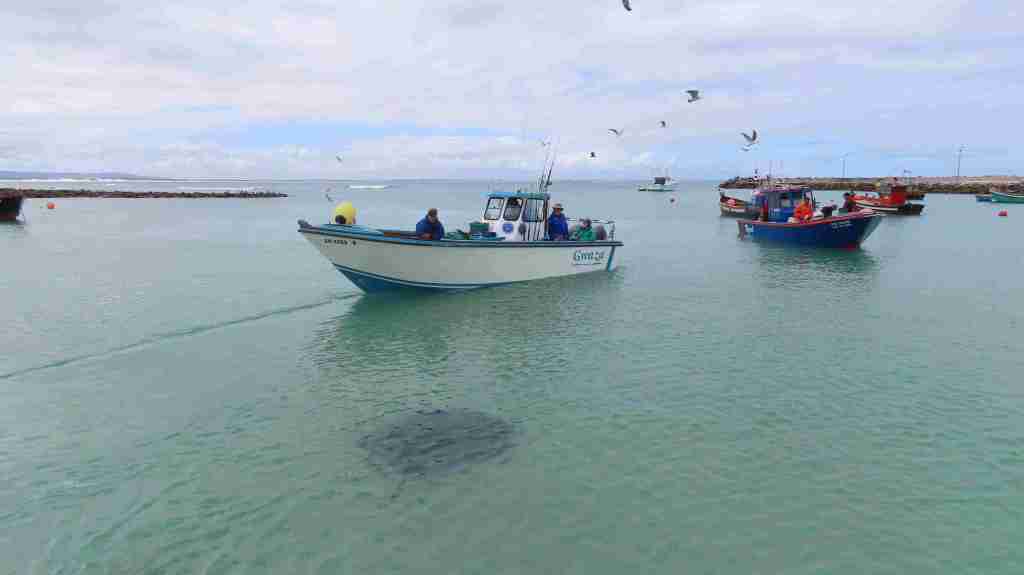
Gwaza

Gwaza’s formula for effective marlin catching James Taylor shares the formula: Gentle ladies and generally rather vrot fisher-men.  As a loyal member of the crew of the good boat Gwaza, I am honoured to address you on this auspicious occasion.
On Gwaza, the 1st day was one of distraction, confusion and conflict. The yellowtail were biting on the Alphard Banks. Our skipper was distracted by this and got the radio channels wrong. As a result, the crew was unaware that the circling boats were catching and releasing the first ten marlin of the tournament. The conflict arose on the return journey when the crew reminded the skipper that they had parted with their hard-earned entry fee in order to participate in a marlin tournament, not to catch yellowtail. 
On the 2nd day, the unimaginable happened. After being worked on mercilessly by the crew in the clubhouse the night before, the skipper eventually allowed marlin lures to be put out.  On arriving back in the harbour at the end of the day, 2 light blue flags were flying from the makeshift mast. Completely against the run of play and all expectations (particularly those of the crew), the good boat Gwaza had been struck by extreme good fortune, catching and releasing 2 marlin (50% of the fish caught on the 2nd day).

Seemingly, fishermen do not believe in good fortune, convinced that those who make successful catches have superior knowledge or tackle – or both. In the clubhouse, the crew were plied with drinks and interrogated for the secrets of Gwaza’s success. In order to keep the free drinks flowing, they frantically tried to remember where they had been and what lures they had been using.
On the 3rd day good fortune turned to a miracle. Another 2 marlin were caught and successfully released (40% of the day’s tally). On the punishing 44 miles back to port, the question – what the hell are we going to tell them in the clubhouse tonight – was raised. At this point, the skipper and loyal crew decided to pull together the Gwaza formula for effective marlin catching.
 Rule 1 – Drink till the lights go out. This rule was submitted by Henk van Niekerk after an in-depth experiential investigation. All research was undertaken by the full crew in the clubhouse every night before fishing, ending only when the staff switched off the lights. The impact on the crew’s ability to iron out tensions and engage in creative strategising is evident in the results. This rule does, however, come with a warning. This activity can adversely affect the ability to judge levels in fuel tanks. Henk himself suffered this side-effect, resulting in the boat limping into port on 1 engine on day 3.
Rule 2 – Sleep like the dead. The second rule is submitted by the skipper, Andrew van Zyl after many hours of solitary reflection behind the controls, the inert and gently snoring bodies of his crew littering the deck. Having studied the statistics of the tournament he noted with concern the number of ‘on–offs’ suffered by other boats in the fleet. After detailed analysis of the performance of his crew he incontrovertibly deduced that the problem lies in the area of response time.
Using the fish caught and released by crew member, Andre Vlok, as an example, the skipper offers a short case study to elucidate his findings. So deep and coma-like was Vlok’s recovery sleep that it took 1 minute and 7 seconds of pummelling to get him to open his eyes. He remained in a prone position because he could not hear any evidence of a strike (he had forgotten to engage the ratchet!).  To roll over and focus sufficiently to see his line being stripped from his silent reel took another 47 seconds. Struggling slowly to his feet, he confidently announced that he was not a “poepol” and knew when a bucket had been tied to the end of his line. It was only when the marlin leapt high into the air that Vlok came fully to his senses, grabbing his rod from the holder.
The 3 minutes and 13 seconds taken before starting to play the fish provides sufficient time to set the hook soundly and take a good bit of fight out of the fish. This rule posits that a semi-comatose recovery sleep is the best precaution against over-eager response times and the resulting “on-offs”.
Rule 3 – Practice disciplined disorganisation. Complying with this rule can be a painful and costly process.  It is informed by the behavioural psychology background of yours truly, supported by the analytical acumen of Vlok. In this rule, the focus shifts from the role of the angler to the preferences of the fish. This research is based on the most cutting-edge, new scientific field of ‘chaos theory’ (Google if you want to know more).
After a thorough process of eliminating all other reasons for more marlin engaging with Gwaza than with any other boat, one variable presents itself as the determining factor…chaos and disorganisation! It is evident that marlin are not drawn to high levels of organisation and order. A clear preference is displayed for rusted hooks, slightly dysfunctional equipment, regular bird-nesting of lures behind the boat, and a general but rather distinct boat aura from the accumulated detritus of years of snoek and yellowtail fishing.
A paradigm shift is required. Away with those ordered rows of gleaming golden reels. Clearly, the elegance of gently bowed outriggers irritates marlin, and any more than 4 lines simply confuse them. The clinical whiteness of decks smelling of detergent turns out to be a fatal deterrent. To diminish some of the financial pain, we recommend using the eclectic range of occasionally functioning yet reasonably priced equipment carried by pawn shops.
In the spirit of this wonderful tournament, we share with you the benefits of our research. We especially hope the expert marlin fishermen up north might benefit from these previously well-guarded secrets. The loyal crew and the scientific, yet ever enigmatic, skipper of the good boat Gwaza wish you stywe lyne. Remember – keep it good and loose and sommer lekker deurmekaar!”
Last word from the skipper. “Not possessing a suitable reel of his own, James removed an old Penn Senator from its display at my house. He returned with it shiny, oiled and loaded with new line. I gave the strike on my rod to James to catch his first marlin. When the old Penn sprang to life – sounding like a Harley-Davidson – it was my turn. Knowing that the star drag tends to overheat and sometimes freeze after a strong run, I had to focus clearly. Fortunately, as a black-powder rifle hunter, I am used to staying calm under pressure, knowing you only have one chance!  I got burned a couple of times by the reel but eventually succeeded in getting the 100kg fish next to the boat for a textbook release”.


The next year, 2014, Makaira skippered by Mike Broderick, won the Eighth Two Oceans Marlin Tournament. James wrote an ode to the tournament with a congratulatory note to Team Makaira.

Ode to Two Oceans Marlin Tournament 2014
At sacred point where oceans meet
a tournament of old
not for riches or reward
in spirit of camaraderie
taming marlin – dragons of the sea
and so they came
those gallant knights of rod and reel.

Four days they gather in clubhouse
libations to Auster and Neptune
appeasing gods of wind and sea
blessings for the quest
to put fishing talents to the test
and so they drank
those legless knights of rod and reel.

At last the weather wizards speak
the long awaited call rings out
drink dazed knights board chariots
that hundreds of thirsty horses propel
onto a crazed and windswept hell
and so they jousted
those intrepid knights of rod and reel.

On bucking craft they battled on
trolling aft their gaudy baits
to lure great dragons from the deep
returning with stories of many that came
but in final tally only ten are tamed
and so they fished
those canny knights of rod and reel.

When dance nor drink can still the wind
the tournament is ended
three of the ten and all honour
to them upon whose bow was blazoned
the dragon’s name – Makaira
and so they parted
those undaunted knights of rod and reel.
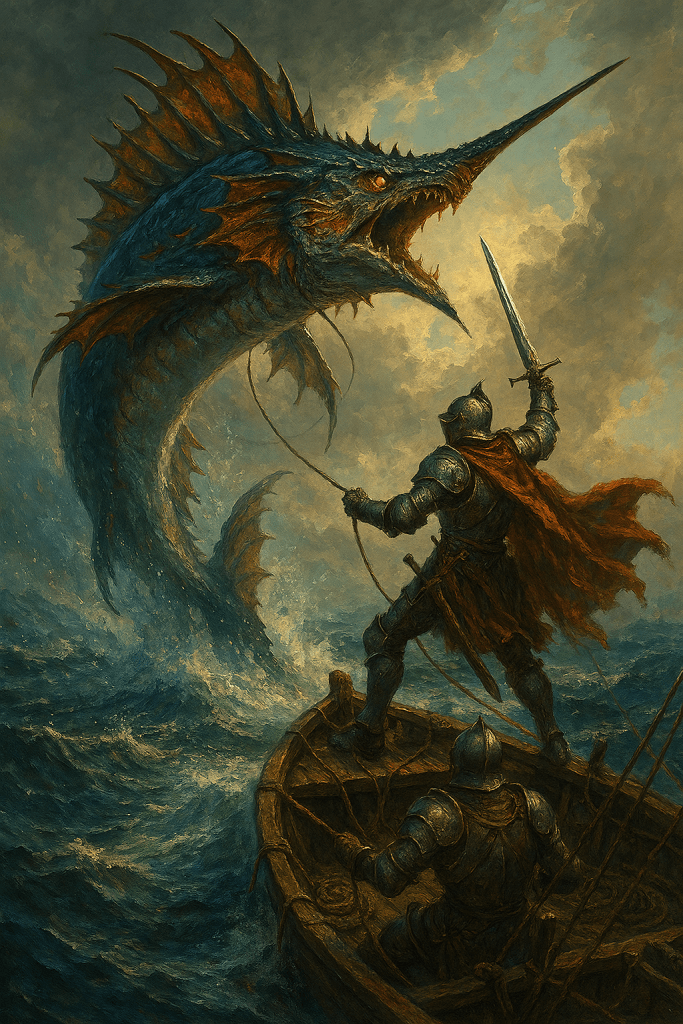
AI Generated Image

I extend sincere thanks to James for contributing this story and poem from the tournament’s earlier years. His willingness to share these memories adds depth to this 20th‑year celebration.


The Two Oceans Marlin Tournament – How It All Began

Note: To view the group of photographs, click on the first one to enlarge it. Use the arrows to navigate the slideshow. Press ‘escape’ to return to the blog post. On your phone, swipe to view each photo and tap the ‘x’ to return to the blog post. You may also need to tap the information icon to view the captions.

This February, Struisbaai will once again host one of its most cherished traditions—the Two Oceans Marlin Tournament, now celebrating its 20th year! From 21 to 27 February, anglers from across South Africa will gather for a week of excitement, camaraderie, and unforgettable moments on the water.

What makes this tournament truly special is its independent spirit. Unlike most competitions, the Two Oceans Marlin Tournament is not affiliated with Western Province or SADSSA. Instead, it’s run by the anglers themselves, with rules and decisions shaped by those who participate year after year. This unique approach has fostered a close-knit community, with many of the same boats and teams returning annually, building friendships and traditions that last well beyond the final function.

The tournament’s roots trace back to the late Meirion Williams of Huckfin fame, who, inspired by a conversation with local fisherman Trail Whitthuhn, envisioned an event to study and celebrate the marlin population in the Agulhas area. Thanks to the dedication of contributors like Gawie Bruwer, Hannes Schreuder, Gerard De Kock, Johan Jooste, Andrew Perrins and Johan van der Walt, the idea became a reality.
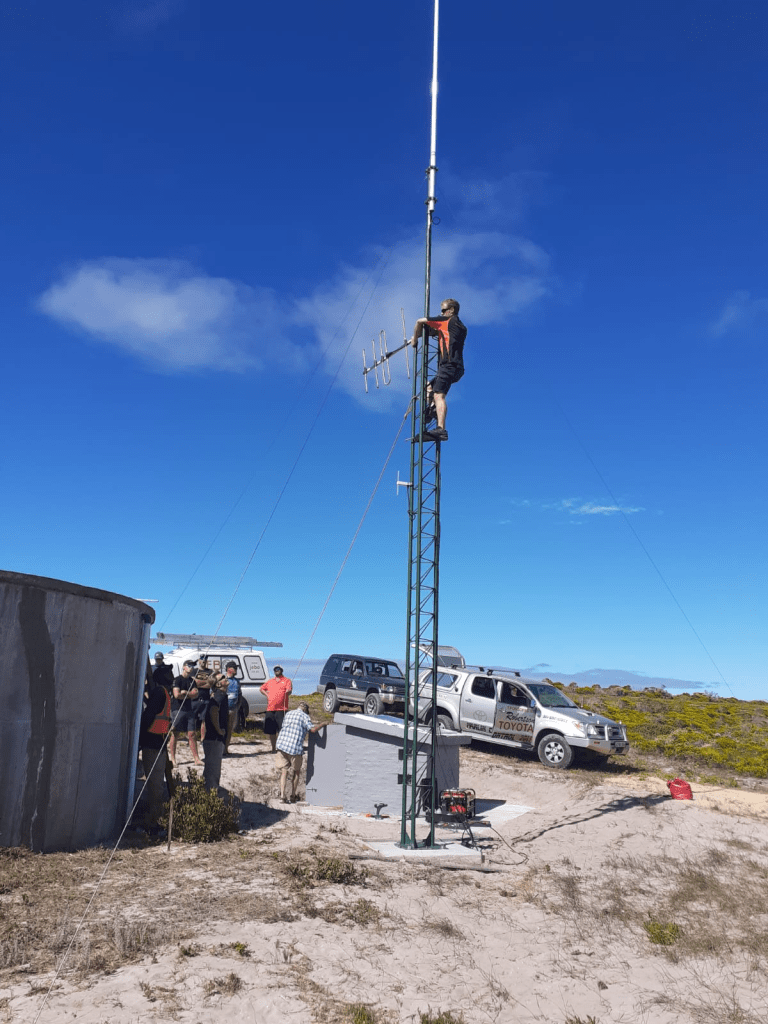
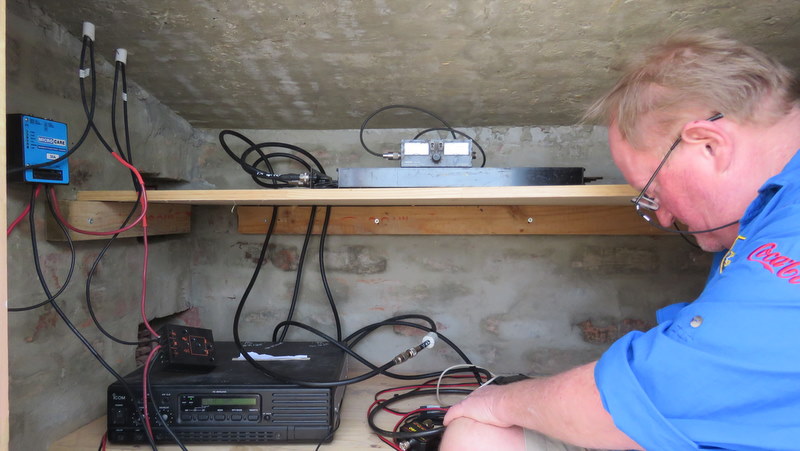
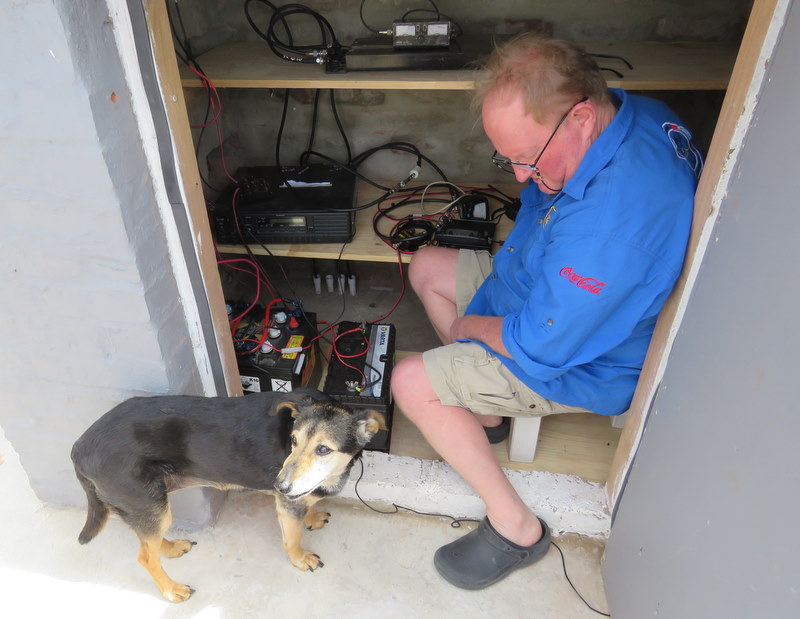
Safety has always been central to the event, with Andrew returning from the UK each year and working alongside local experts such as Trevor Brinch and Earl Fenwick to keep operations running smoothly and radio communications firmly under control.

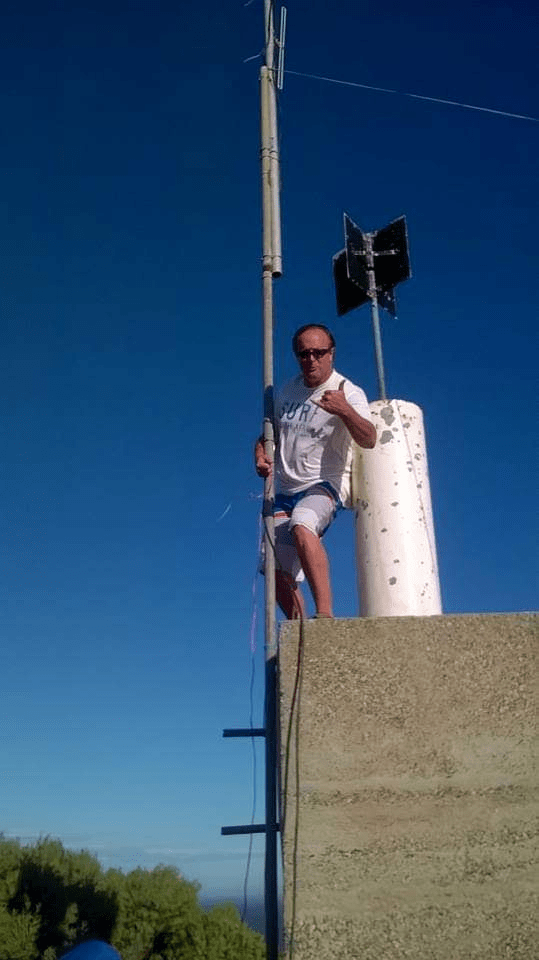
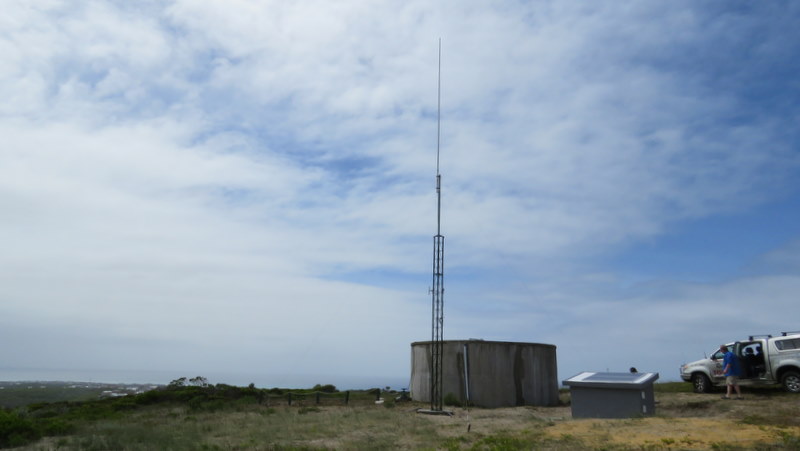
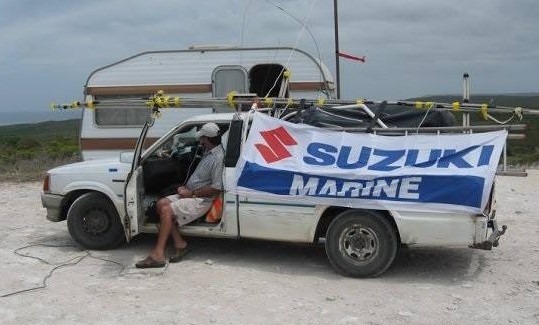
Before a permanent aerial was installed on the high site, Realty 1 Agulhas (now Chas Everitt) sponsored a caravan on the Agulhas mountain, where Andrew managed the Marlin Control operations. Temporary aerials were used in the years that followed, but a permanent installation has now been in place for some time.

The original Marlin Control

The Two Oceans Marlin Tournament is an invitational, no-kill, measure-and-release event. Anglers present video evidence of their catches, and points are awarded. In 2021, there was a tie. The rule now states that if the points are even, the boat that catches the last marlin of the week will be declared the winner.

The first tournament was held in 2007 and began modestly with just seven boats taking part: Gawie Bruwer’s Indiogo, Andrew van Zyl’s Gwaza, Meirion Williams’s Huckfin, Hannes Schreider’s Jumbo-Jumbo, The Rawbone‑Viljoen brothers’ Midnight Blue, Johan Jooste’s Three Js, and Nico Schmidt’s Monique.

Fittingly, the inaugural winner was Huckfin, owned by the tournament’s founder, the late Meirion Williams. In 2009, Indigo claimed victory, and Gawie has entered the tournament every year since 2007. After the initial fleet of seven boats, entries jumped to 23 in 2008. Participation peaked at 39 boats in both 2011 and 2014, though most years see between 18 and 25 entrants. As we count down to this year’s milestone event, we’ll be sharing stories, photos, and memorable moments from the past two decades.

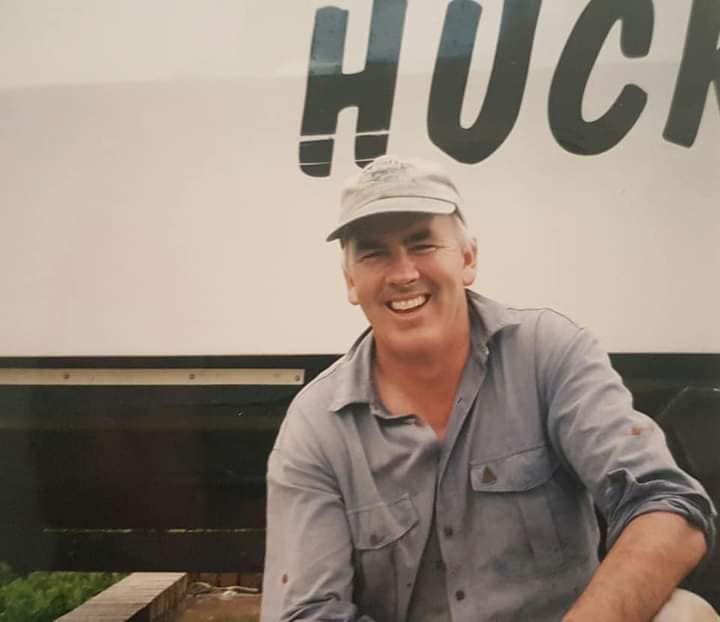
Meirion Williams (RIP)
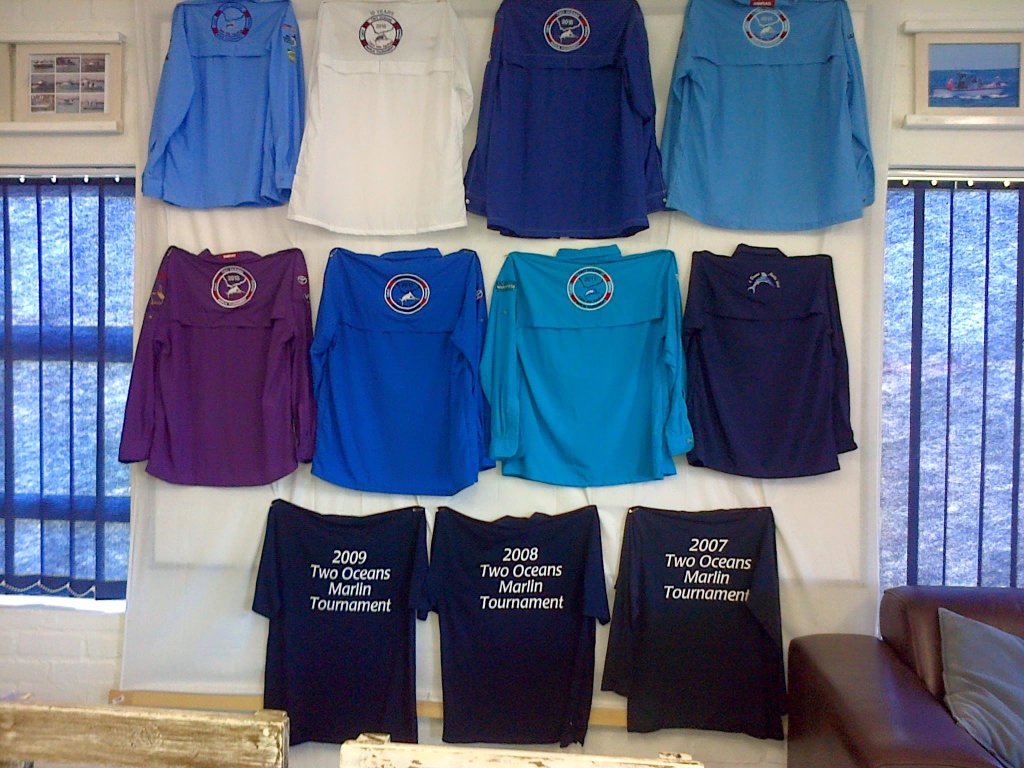
TOMT Shirts 2007 to 2017
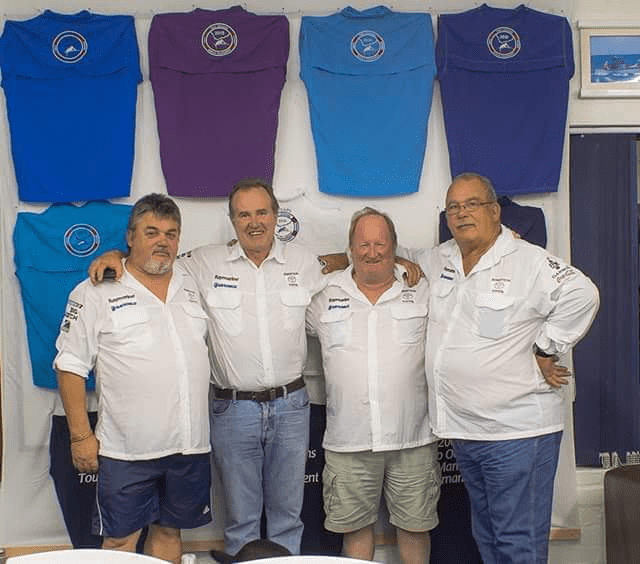
Four of the original founders of TOMT Hannes Schreider, Gawie Bruwer, Andrew Perrins, Johan van der Walt

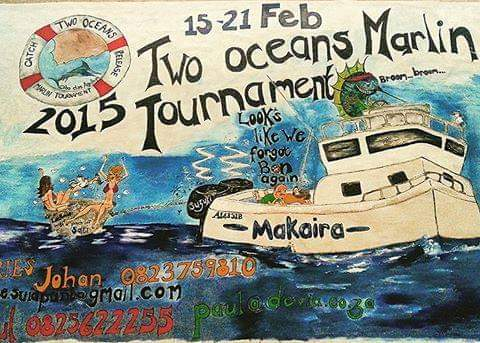
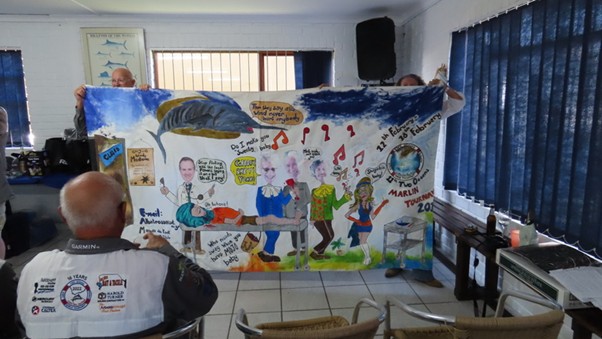
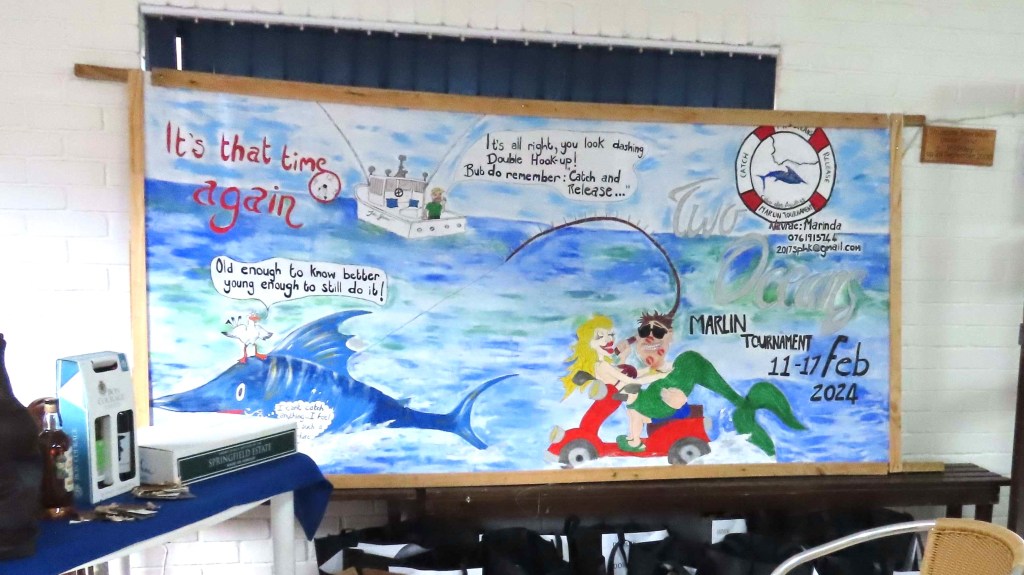
Each year, Amanda Bruwer designs a playful TOMT flag, and the previous year’s flag is auctioned off to the highest bidder. Here are three examples from past tournaments.

This is the first in a series of posts counting down to this year’s tournament. The next instalment will appear on Monday, followed by daily posts until 21 February. After that, you can look forward to regular updates as the Twentieth Two Oceans Marlin Tournament unfolds.

The Southern Tip of Africa

It’s been a while since I’ve shared my thoughts about the place I call home. As winter gradually makes its presence felt in the southern hemisphere, we’re still fortunate to enjoy a few crisp yet sunny days. On Saturday afternoon, while the men set off to sea in hopes of a good catch, we ladies – Wise Wine Warriors—spent a lovely afternoon at Struisbaai Harbour Café. In that moment, surrounded by the beauty of the harbour, I paused to take it all in and truly appreciate where I was. Then, on Sunday evening, as we all gathered for a sunset braai, I was once again struck by the undeniable charm of this little gem in the deep south of my country. In this vast world, fate has placed me at the southernmost tip of Africa—and I must say, I couldn’t be happier.

Some of our group – Wise Wine Warriors

It is often mistakenly believed that the southern tip of Africa is Cape Point, near Cape Town, and quite close to where I grew up. Some also claim that this is where the Indian Ocean meets the Atlantic. It’s good for tourism to go along with this myth! But in fact, the two oceans meet at Cape Agulhas, and it is also the most southerly point of Africa.

The Earl and Me at the Southern Tip of Africa

When I was a child, I was keen to stand on the very tip of Africa. I asked my parents if we could visit. But they did not share my adventurous spirit and thought that it was hardly worth the visit.
“It’s very remote and there nothing there,” my mother declared.  
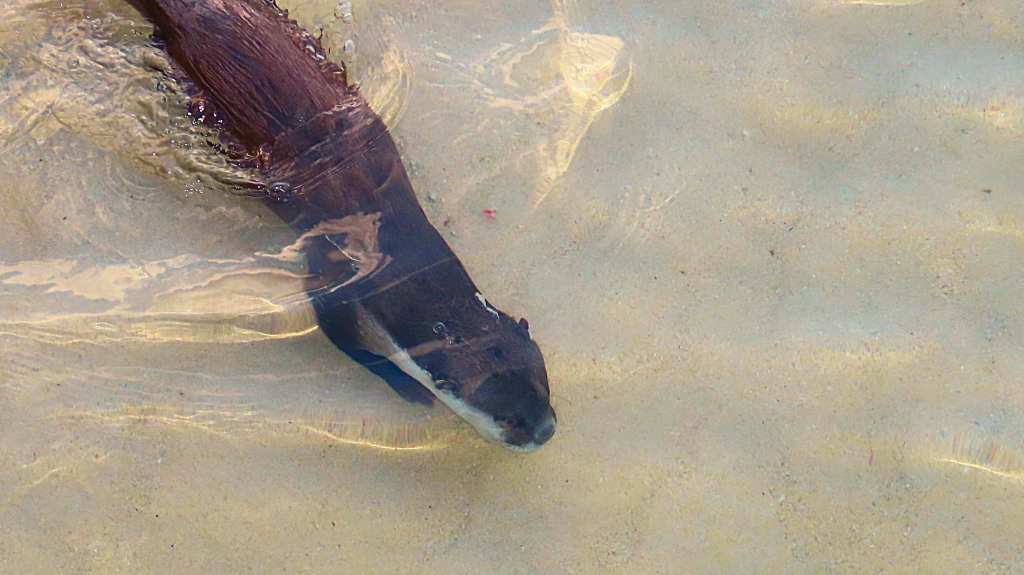
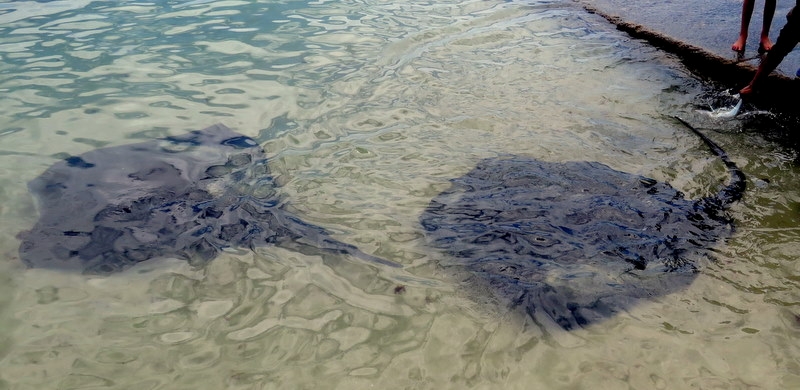
And she was right – my first visit was in 1982, and the area didn’t even have electricity!   Of course, it’s quite different now, and this formerly tiny district is attracting more and more permanent residents. But its natural beauty still abounds.   Sometimes I take a moment and let it all sink in that I am at the southernmost tip of “Darkest Africa.”  Cape Agulhas and Struisbaai boast a remarkable diversity of flora and fauna. The Agulhas National Park hosts over 2,000 native plant species. The fauna in the region is also fascinating. The wetlands provide refuge for birds and amphibians, including the African Black Oystercatcher, Damara Tern, and Southern Right Whales, which migrate through the area. Our harbour welcomes short-tailed stingrays that swim in to enjoy some delicious pickings thrown into the water by the local fishermen cleaning their catch. We even have Cape Clawless otters frolicking in the shallows from time to time. Click on the link to see a video.

The coastline is also notorious for the number of sailing ships wrecked in its stormy seas. The Cape Agulhas Lighthouse was built in 1849 and is now a historic landmark,  still warning seafarers of  the treacherous waters

 On November 16, 1982, the Meisho Marul ran aground near the southernmost point of Africa due to a storm. Fortunately, all 17 crew members managed to swim to safety. The wreck has since become an iconic sight.   Over the years, the wreck has eroded significantly, with only the bow section remaining visible above the waves.

I try to get in a daily walk, and whether it’s just around the village, along the coast road from home to Agulhas or along our very long white beach, I never tire of the beauty around me.  Hardly a day goes by that I do not ‘maak ‘n draai by die hawe’ (pop in at the harbour) and it always takes my breath away.

A while ago, I met two young Frenchmen at our local harbour café.   They asked if I was local and we got chatting,  They expressed how much they loved this part of South Africa.
“But surely it can’t beat the French Riviera,” I said.

“Oh but it is so very much better!” they declared.

I thought they were being polite, but then I really looked and thought, “Well, yes – it’s still so natural and quaint and simple. It’s not glitzy and busy like the top destinations of the world. We are indeed lucky to enjoy this little piece of paradise.”

Don’t get me wrong.  When we’re having the foulest weather, I curse the wind, the rain, the flooding and the cold.   But when the sun comes out – well – all is forgiven and forgotten.  

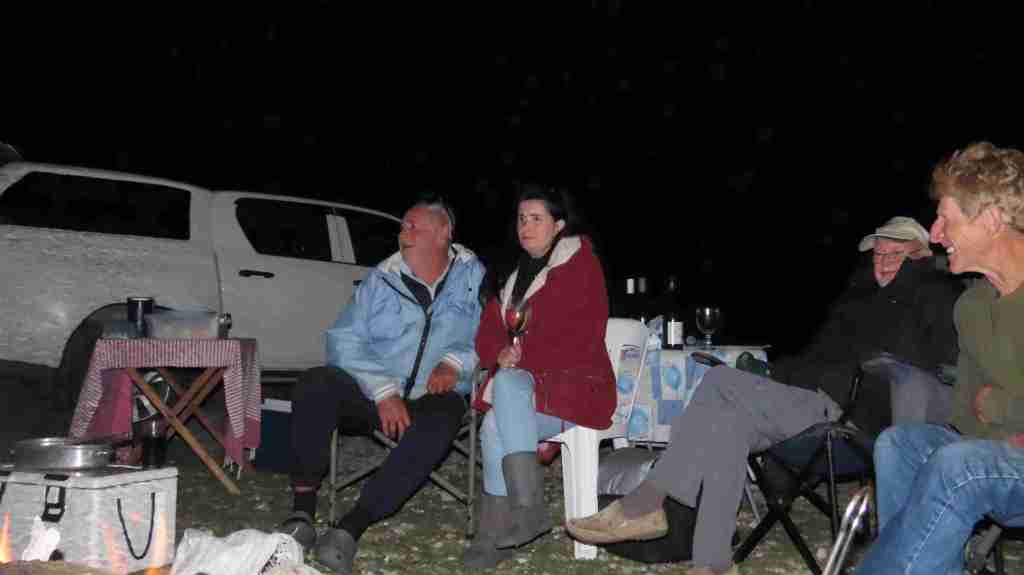
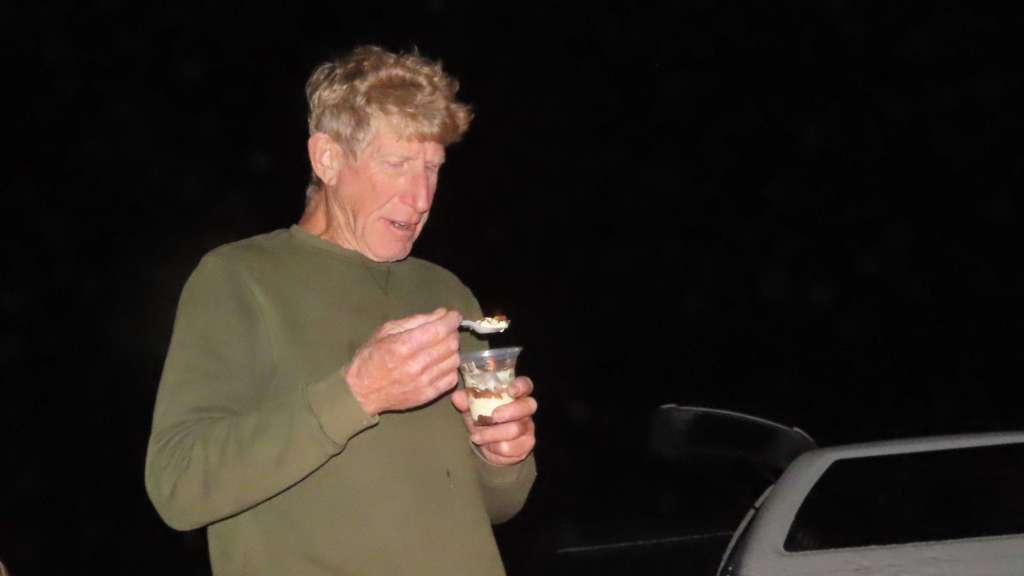
To end, allow me to share some photographs from the sunset braai we enjoyed with the lovely friends we have made here at the southern tip. Thanks to Sonja for catering the delicious starters and dessert, and to Sharon who insisted we all gather at this stunning site right at the southern tip, overlooking the wreck. Where in the world can you safely picnic outdoors without paying an entrance fee or having guards to ensure your safety? It was exquisite and yes, we did make sure the fire was completely dead before we left.

The Nineteenth Two Oceans Marlin Tournament – Anglers Stories

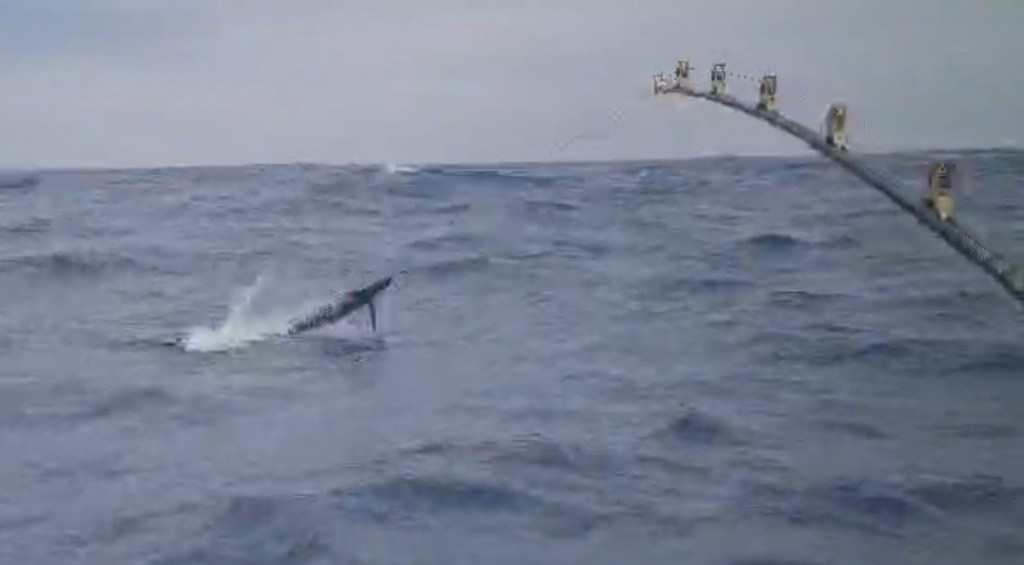
These stories come directly from the anglers themselves with just the odd edit from me. The accompanying photographs are snapshots from cellphone videos, captured while the fish was in motion and the boat swayed with the waves so please forgive their less-than-perfect quality

Team Indigo, who caught the first marlin of the competition were the second prize winners.
Crew – Gawie Bruwer (Skipper) Peté (Jannie) Kotze, Werner Kotze,Lourens Odendal, Craig Jenkerson

Monday 3 March 2025

Chasing Dreams: My Journey in the Two Oceans Marlin Tournament

By

Peté (Jannie) Kotze

For six years, I have attempted to catch my first marlin in the Two Oceans Marlin Tournament. Would 2025 be the year my unfulfilled dream comes true?

Above all, I participate in this tournament for the fun and camaraderie, yet the desire to catch the elusive fish remains strong. Last year, I almost caught one, but it got away, and the sting of losing it was still sorely felt, especially as the crew did not let me forget it!

On the first fishing day of the tournament, we were finalizing the Cona position when the back-line went off. The skipper spotted a single working bird, and putting our lines out early paid off. We were close to the 45s, a bank 45 miles due south of Struisbaai. We got distracted on the way with a good-sized dorado at Halfway House, not expecting a strike just then.

We were unsure. It was too soon, and the pull was not so strong. Then the 80’ ‘Alutecnos started shrieking, and we were in business. What followed were majestic aerial displays, excitement, anxiety, and adrenaline, all keeping me fighting through the deep burn in my arms! May this be my first TOMT marlin, I prayed! Don’t let this be a repeat of last year’s loss! The fear of a recurrence kept me going.

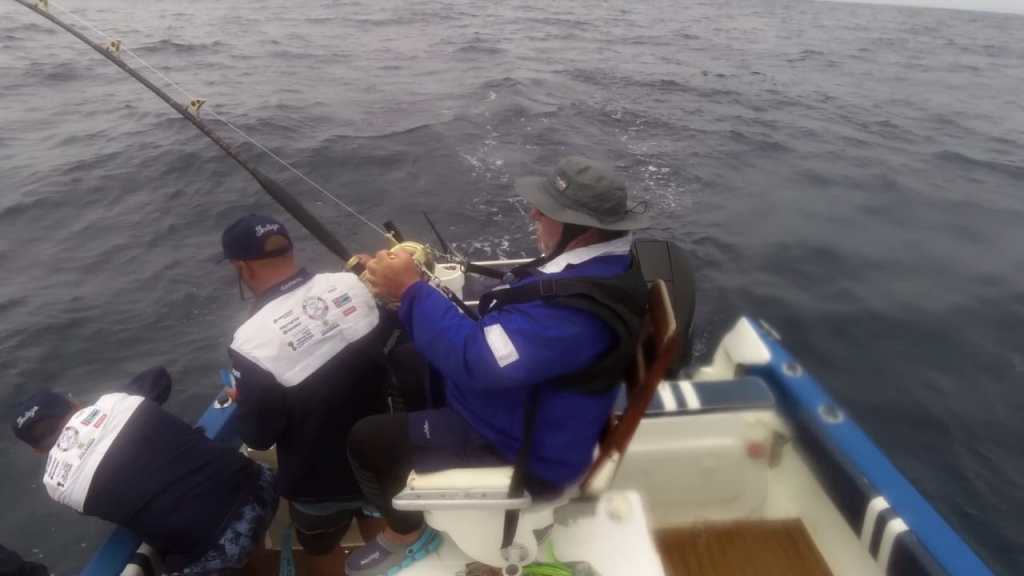
Jannie working through the burn in his arms

The forty-nine minutes felt like an eternity. At last, Werner pulled in the leader. However, this black marlin had the final say. It kicked under the boat before we could properly remove the hooks. It swam off in the wake, released by the engine, still towing our precious pink and blue Cona!

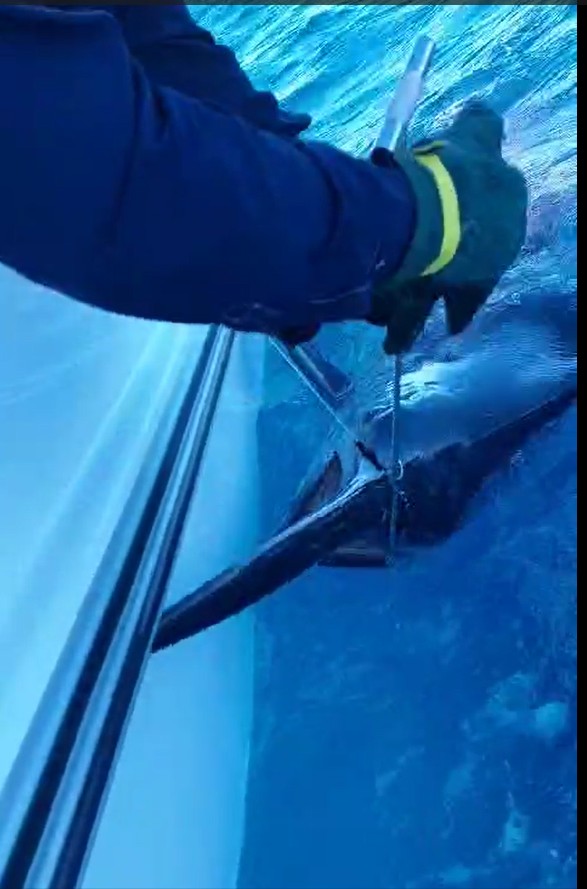
Spot the bill of the marlin

My marlin bogey is off my back, but I already dream of the next and the next marlin. “Is this normal?” my wife asked. I nodded affirmatively.

My heartfelt thanks to my Indigo crew mates, Gawie (skipper), Werner, Lourens, and Craig. This one is for our dear friend Eugene, who passed away suddenly in January. His spirit was with us all the way on the boat.

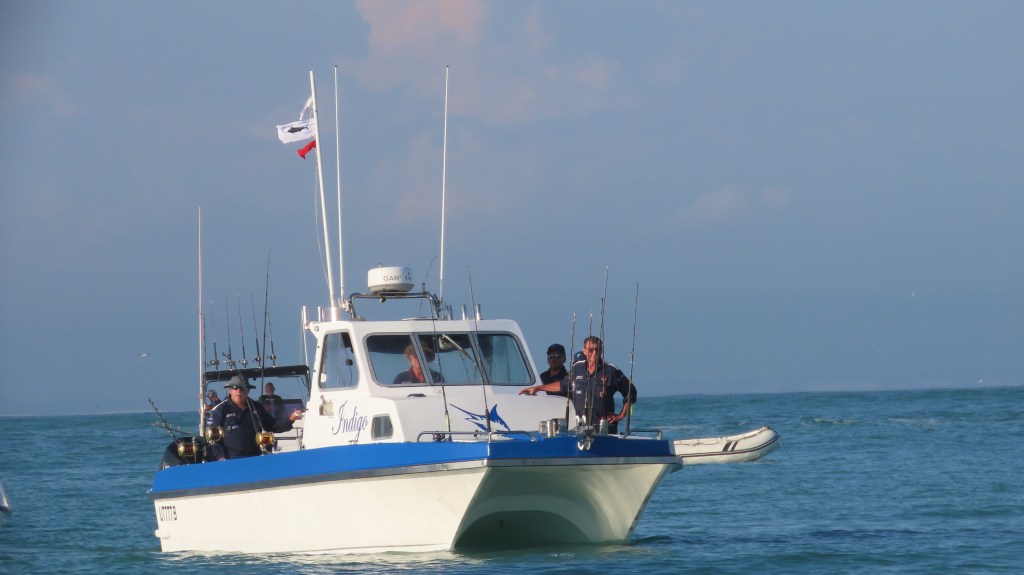
Indigo flying the marlin flag

Team Dory, won first prize for measuring and releasing two marlin.

Crew Dudley Rosslee (Skipper), Emile le Roux, Chris Gillit, Andrew (Davy) Davidson, Johan van der Walt

Tuesday 4 March 2025

Dory’s First Marlin of the Tournament

By

Andrew Davidson

On the 4th of March 2025, Dory left Struisbaai harbour at around 06:50 and headed  out to the Halfway House area. This is a well-known fishing spot en route to the famous Alphard Banks, about 40 nautical miles east of Struisbaai.

Sea conditions were close to perfect, with a light swell and nearly no wind. Upon reaching the area, the team had their coffee and a light breakfast.

We had just started trawling and settling down for the day’s fishing, talking about how fortunate we are to have been a crew for the past nine years when we saw a black marlin coming from the port side.

It hit the  short cona, then immediately moved  to the starboard side long cona, striking it as well. The marlin then struck the long port side cona and moved away. During this, we continued trawling at about 8.5 knots, hoping to go “vas,” but it did not happen. The entire crew was happy to have had these strikes, but the marlin was not on yet.

We all thought the marlin had left us when the “Hongkong” cona was struck with a huge hit by the marlin.  It was game on. I was on the rod and got into the fighting chair and the fight started. We had the privilege to view a black marlin jumping out of the water and giving us an unforgettable show of its power and survival skills. The fish was about 350 meters from the boat at the back, fighting me with all its power to escape and get the cona out of its mouth.

After about 30 minutes, I retrieved most of the line the marlin took and we could see it behind our boat. My thoughts were that the fight was over, but the marlin had other ideas. As I got the marlin closer to the boat, it decided to take a deep dive straight down into the sea next to the boat. After taking line again, I managed to turn it around, and the retrieving process started again. This happened another two times before I managed to get the marlin next to the boat. Emile managed to get hold of the leader line and pulled the marlin next to the boat. Chris was the video operator, and Dudley kept the boat on course next to the marlin.

As the marlin was next to the boat, Emile and I managed to remove both hooks on the cona from the its mouth without any injuries to the fish. The black marlin was measured, and according to the tape, it was about 181 kg. We released it in good condition. We watched it dive under our boat towards the starboard side, and we had the pleasure of seeing it swim away.

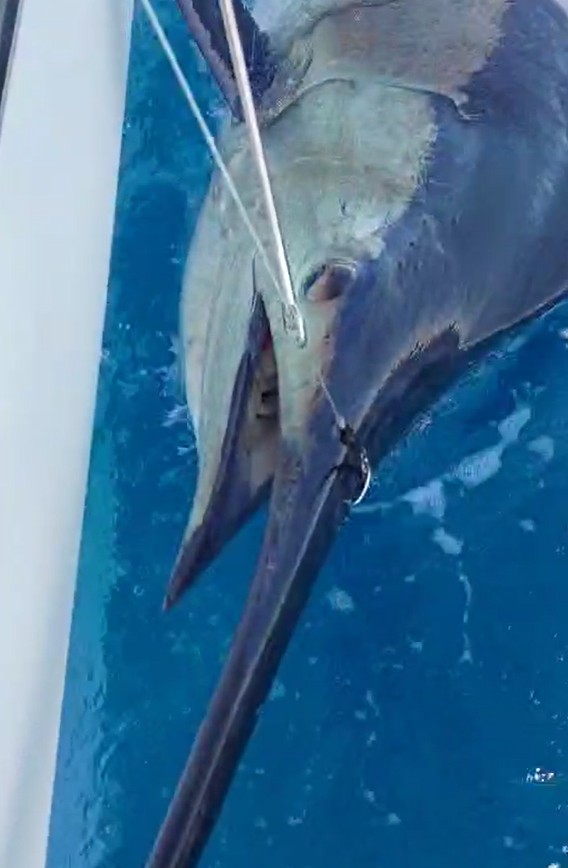
The fish alongside the boat Orange band was assigned to this boat when they called in

This was the second black marlin I have caught at a Two Oceans Marlin Tournament, , but the feeling of absolute respect, power, and beauty of such a fish will never leave me. It is an indescribable feeling to have one of the fastest fish in the sea fighting you. The best feeling of catching marlin is releasing it and seeing the fish swim away uninjured and in good shape.

Dory flying the marlin flag

Thursday 6 March 2025

Dory’s Second Marlin of the Tournament

By

Chris Gillit

As a team we felt jubilant that Andrew (Davy), on Day 2 of the tournament had caught and released a 180kg Black Marlin. What were the chances that we could get a second one? 
Nobody had caught on Day three, but when Day Four greeted us with fantastic conditions, we decided we to go to our old hunting ground, the 12-mile bank, where we have had great success in the past. We reached the 100m contour and found shoals of mackerel like never seen before. We were convinced there would be a marlin in the area.  With no luck by early afternoon, we decided to go shallower and work some structure.
This decision paid off!   At 14:00, the Japan elastic broke, but alas, there was no hookup. We continued trolling and could see a marlin lit up and following the Japan, after two passes, the Captain Morgan lure was engulfed and we were on. This fish was angry and was jumping continuously as it headed for the horizon.

It was my turn in the chair. I have been trying for 14 years to catch a marlin and to say I was nervous is an understatement. My teammates were fantastic and with their encouragement the fight began. Again, with an 80 wide nearly empty I knew this was going to be a tough task.

The fish alongside – yellow band was assigned to this boat when they called in a hook-up


Fifty-five minutes later, we brought the fish to the leader. After a quick measurement, the tape showed she weighed around 220kg. We carefully removed the hooks and released her, watching as this magnificent fish swam gracefully away.