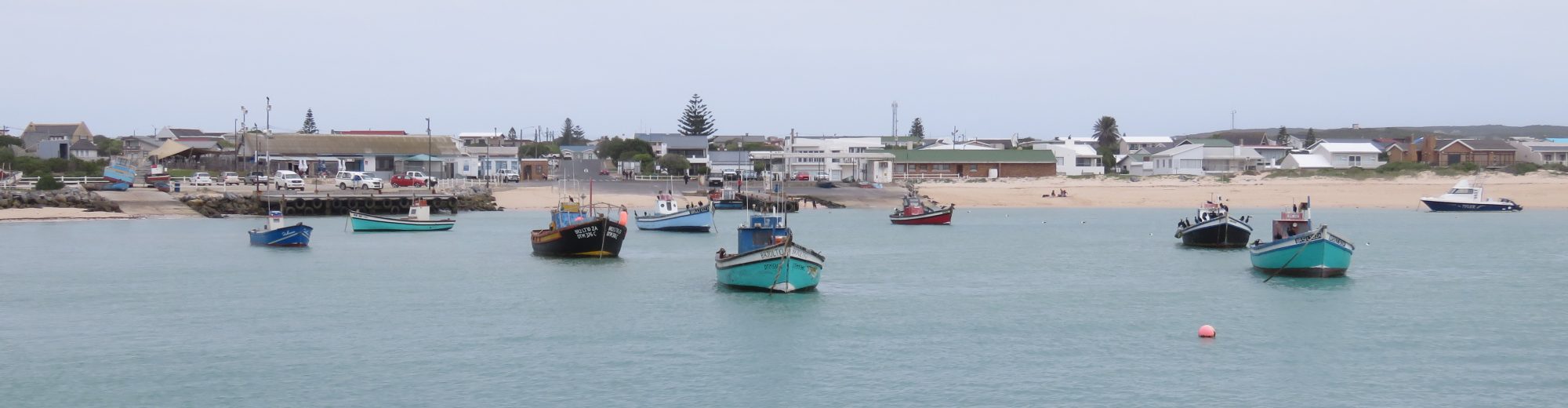
Mokolo Camp and Zambezi Mubala Camp
We made an early start from n’Kwazi as we had 400 kilometers to drive to Mokolo, our next camp. Now somewhat experienced at driving in the north of Namibia we knew this was going to be a start/stop drive. What we didn’t expect was to run into roadworks just outside Rundu. They were rebuilding the road so there were managed stops with stop/go controls, but a bit hit-and-miss. We stopped at a block and soon were flagged to continue. Imagine our surprise when halfway through the detour we came across an 18-wheeler coming in the opposite direction! Fortunately, there was a wide verge to allow everyone to move off the road and the 18-wheeler sailed past! One can only speculate how the traffic stops managed to miss an 18-wheeler.
Driving along the B8 through the Caprivi is a lovely drive. There is lots of thick bush and some of the most beautiful trees I have seen in a long time. Huge trees with wide shady canopies. It was absolutely thrilling to see so many beautiful trees, which had been left in place. Many others, though, had been cut down judging by the many firewood sellers that we passed.
We also passed many settlements alongside the road. Each group of houses was neatly fenced by either a pole fence, reed fences, or in some cases thatching grass. The houses inside the fences were a mix of traditional huts with mud walls, thatched with reeds or grass, corrugated iron shacks and brick-built homes. There were also pens for cattle and goats but all very neatly laid out and no litter or rubbish tips that we could see. What we did not see, however, was any indication of commercial-size farming using the river water for irrigation. I really expected to see something similar to what we saw along the Orange River.
It was sad to see how many of these households still had no access to running water. We passed many ladies carrying water on their heads but there were also many sleds in use. Water barrels were piled onto a wooden sled that was harnessed to two oxen. The oxen then pulled the water back to the homestead. I guess the sled was easier to maneuver in the bush compared to wheels.
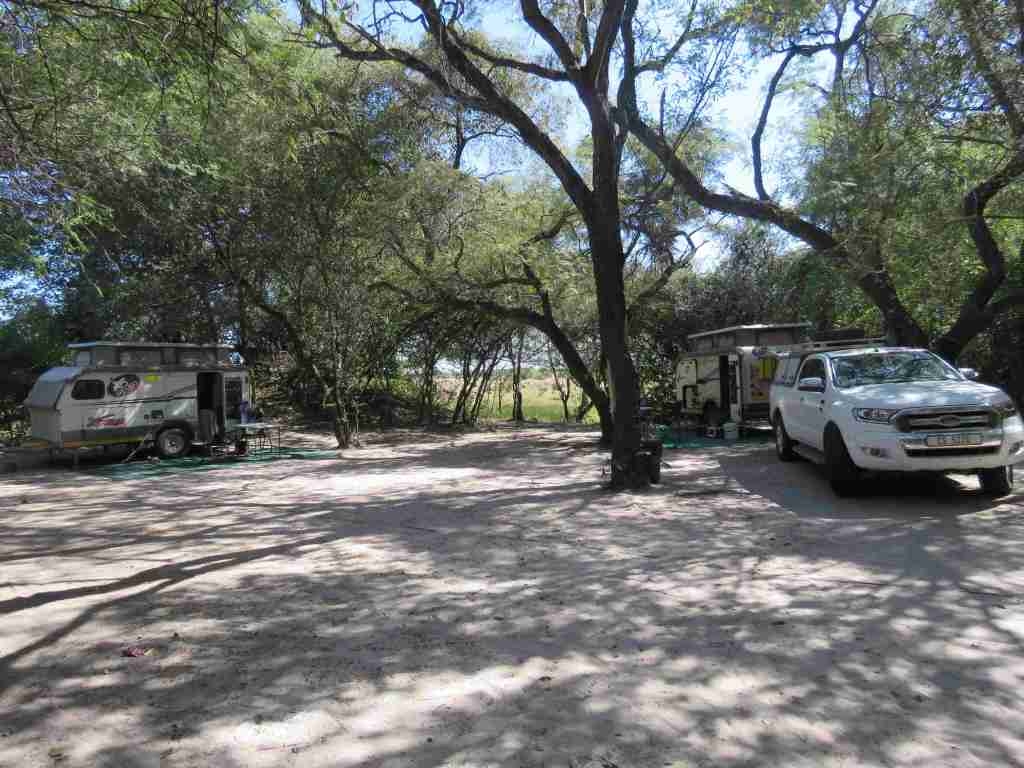
We arrived safely at Mukolo and were met by the owners Hennie and Veronica. We were shown to our campsite, #3, and were immediately struck by how much this camp reminded us of Tsendze at Kruger. Each campsite was carved out of the bush, with lovely big trees shading the site. All the sites are private and have their own ablutions. The camp is served by solar energy, so there was power to the van and car but we were asked not to use an electric kettle, or anything similar that drew a large current.
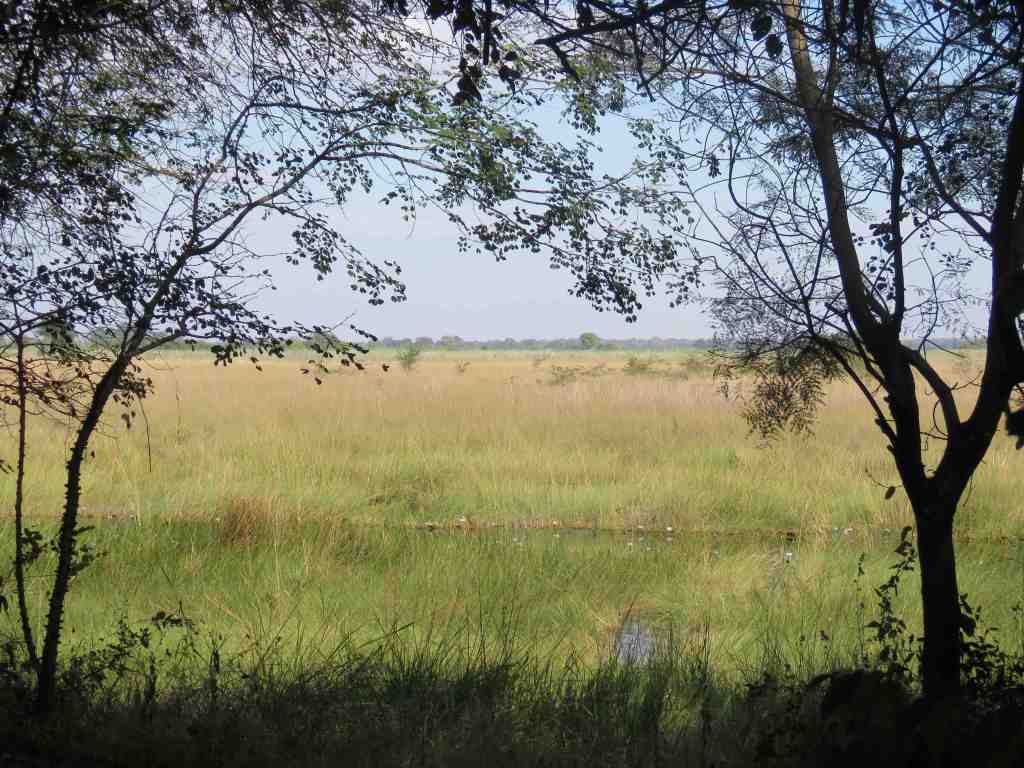
We settled in and the view over the floodplain was wonderful. The water lilies were in full bloom and the white flowers against the dark water and golden grass were a gorgeous sight. This camp has a lovely pub and veranda where we found interesting people to chat to.

We took a boat trip one evening. The trip lasted three hours and it was worth every cent! Our guide, Admire, was very knowledgeable about the animals and birds in the area and was quick to identify what we were seeing. Also, he had the eyes of a hawk and picked out game very quickly. Unfortunately, most of the game was on the western side of the water so trying to take photos into the setting sun was impossible. We did see lechwe and sitatunga, neither of which we had seen before, as well as buffalo, elephant, kudu, and waterbuck. We also saw several Nile Monitors and one small crocodile.

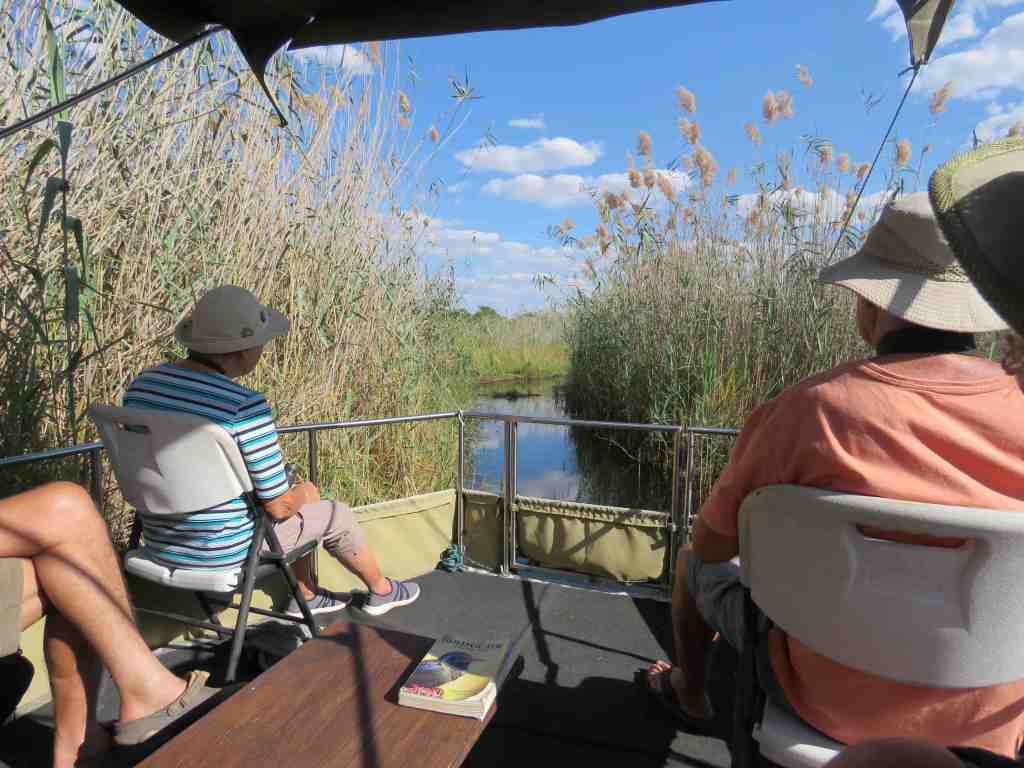


Admire, knew where a pod of hippos could be found, so we made our way there and sat for a while, enjoying the cool of the evening and a drink. It was lovely, with the hippo grunting, the water lapping at the side of the boat and the soft sound of the wind in the reeds. Another tough day in Africa!


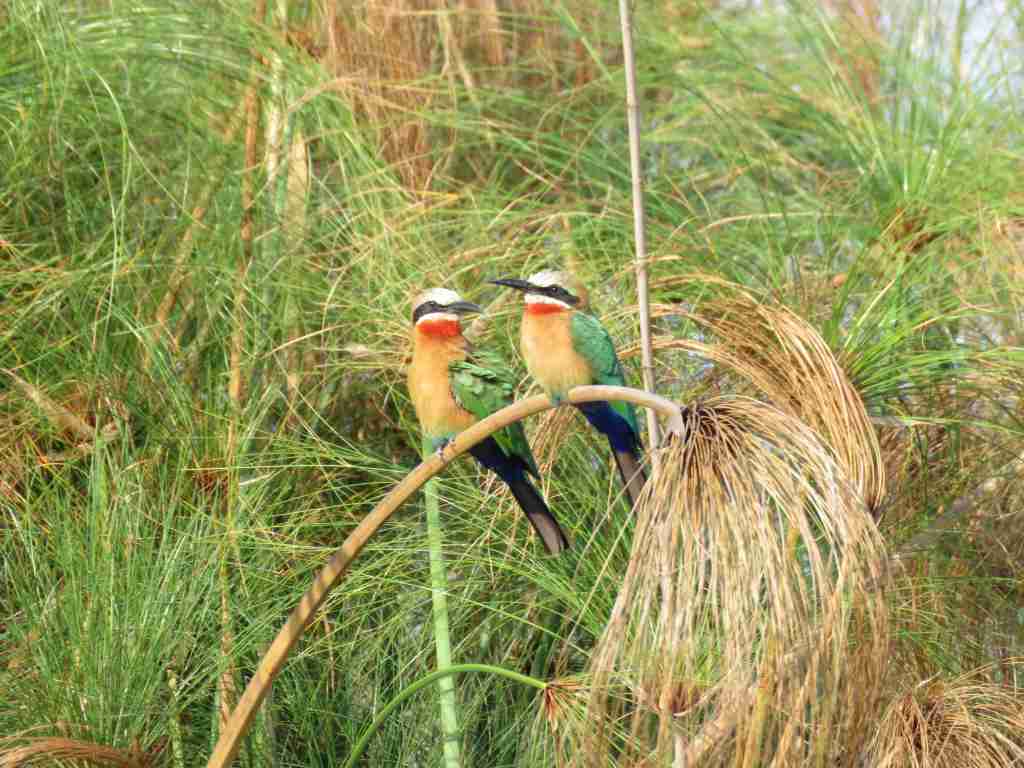
Needless to say, there were numerous birds as well. Admire identified them very quickly, and explained diet, breeding, and other habits for us. It made the entire trip fascinating and the three hours sped past.
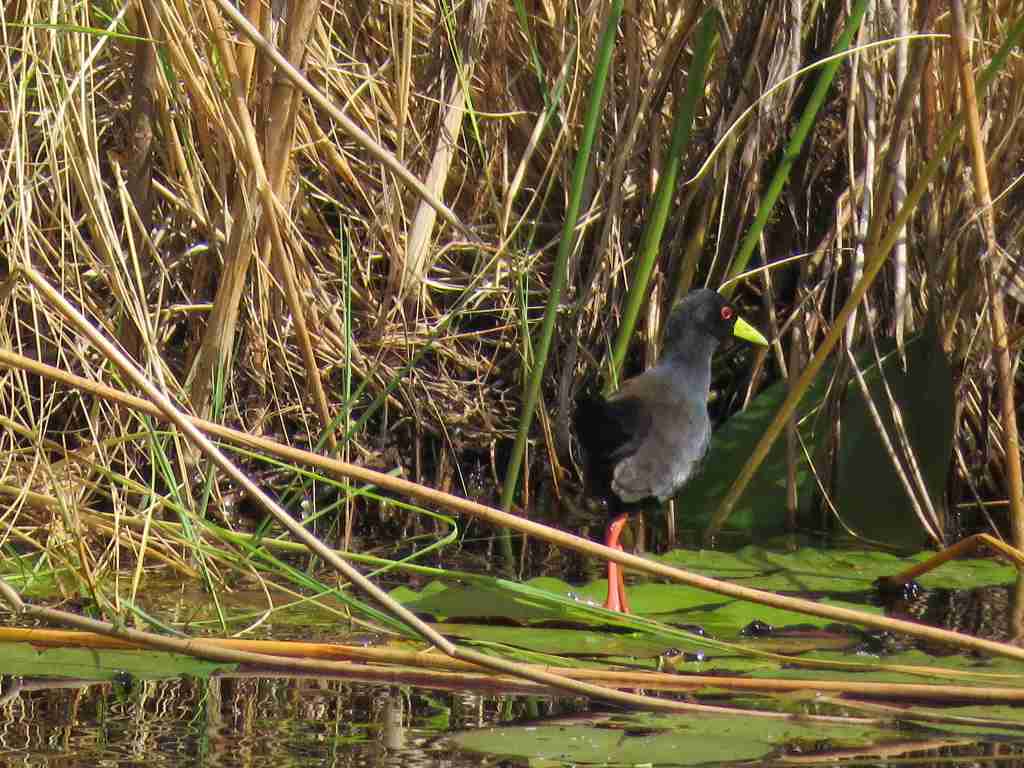
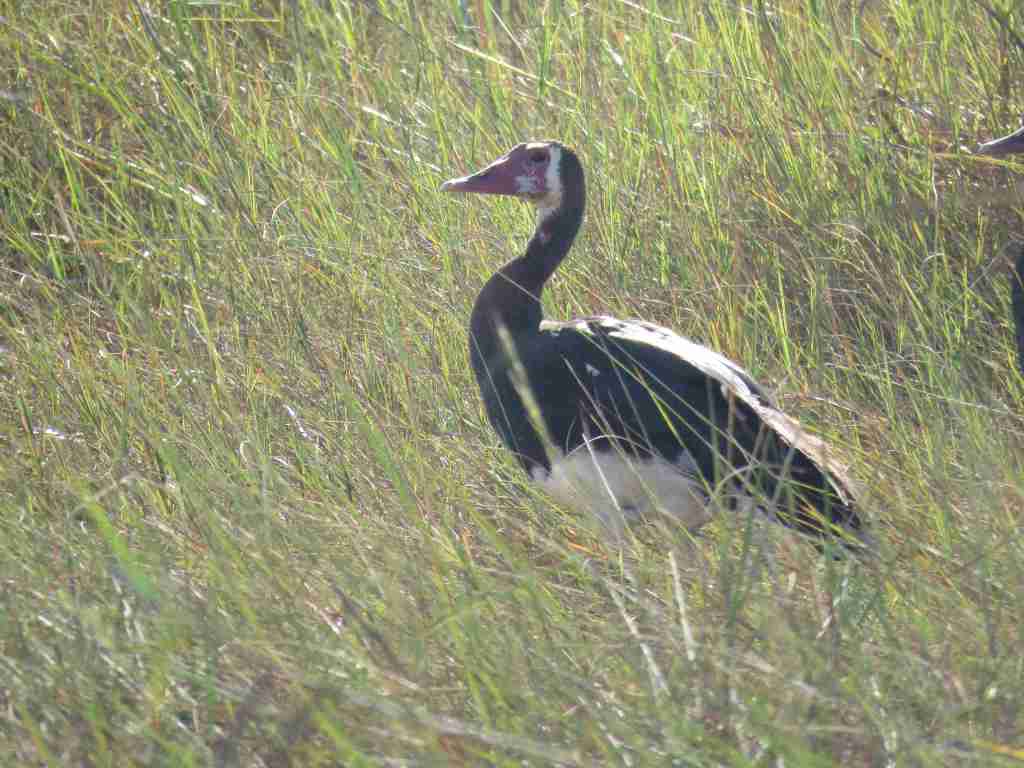
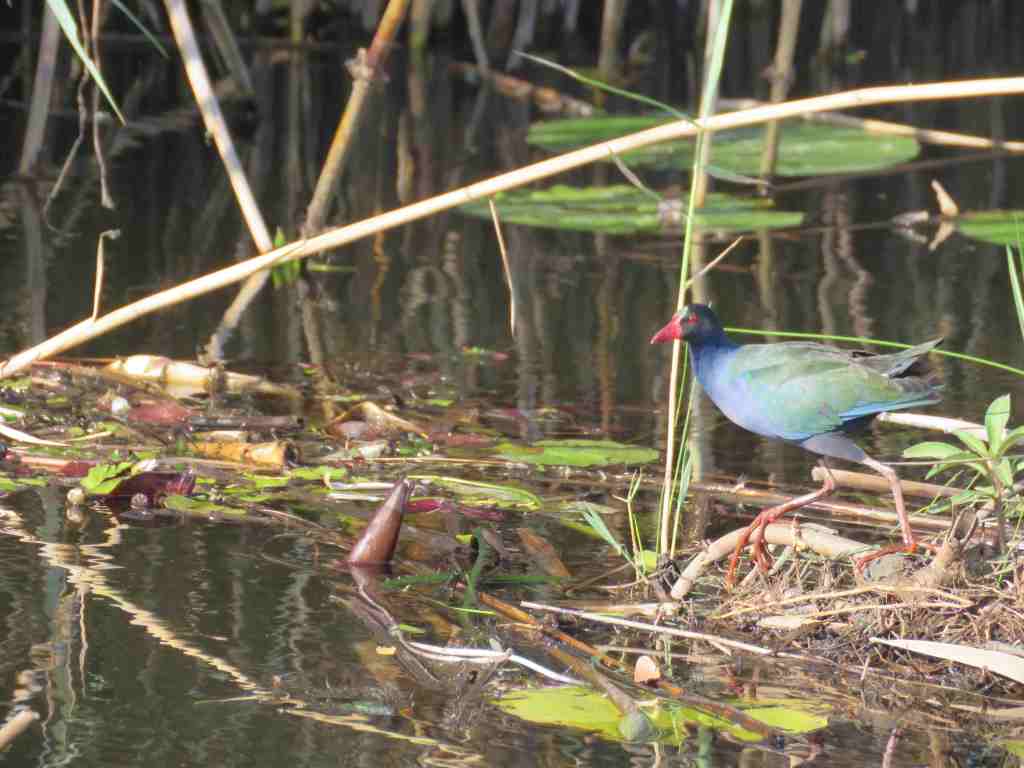
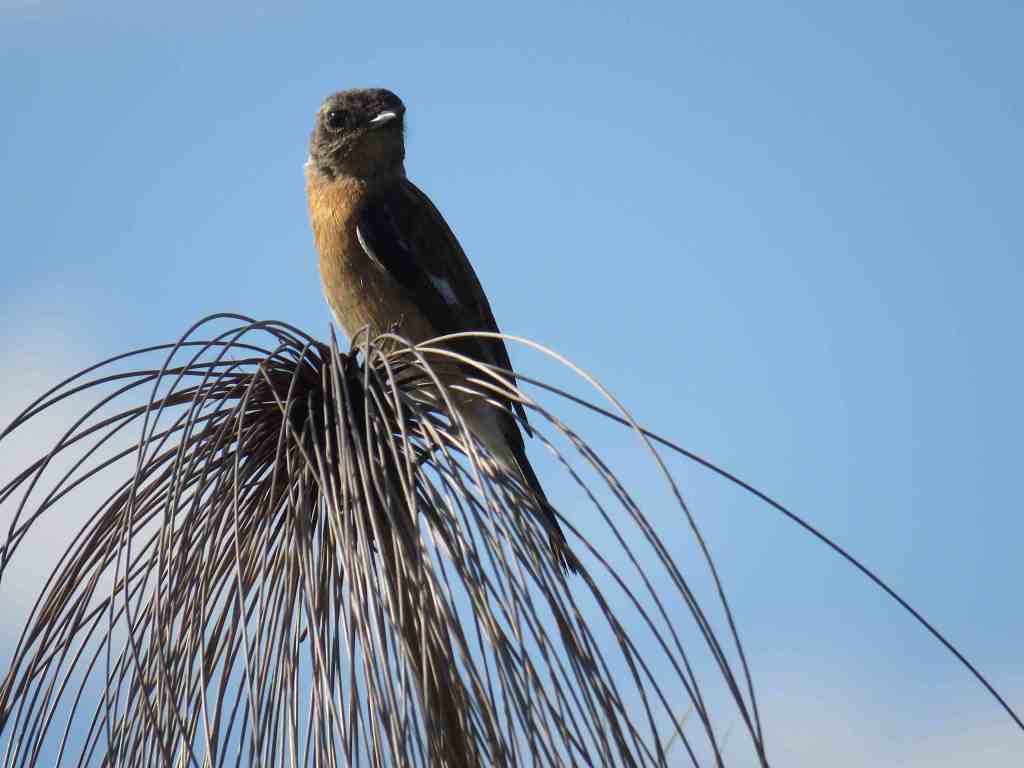



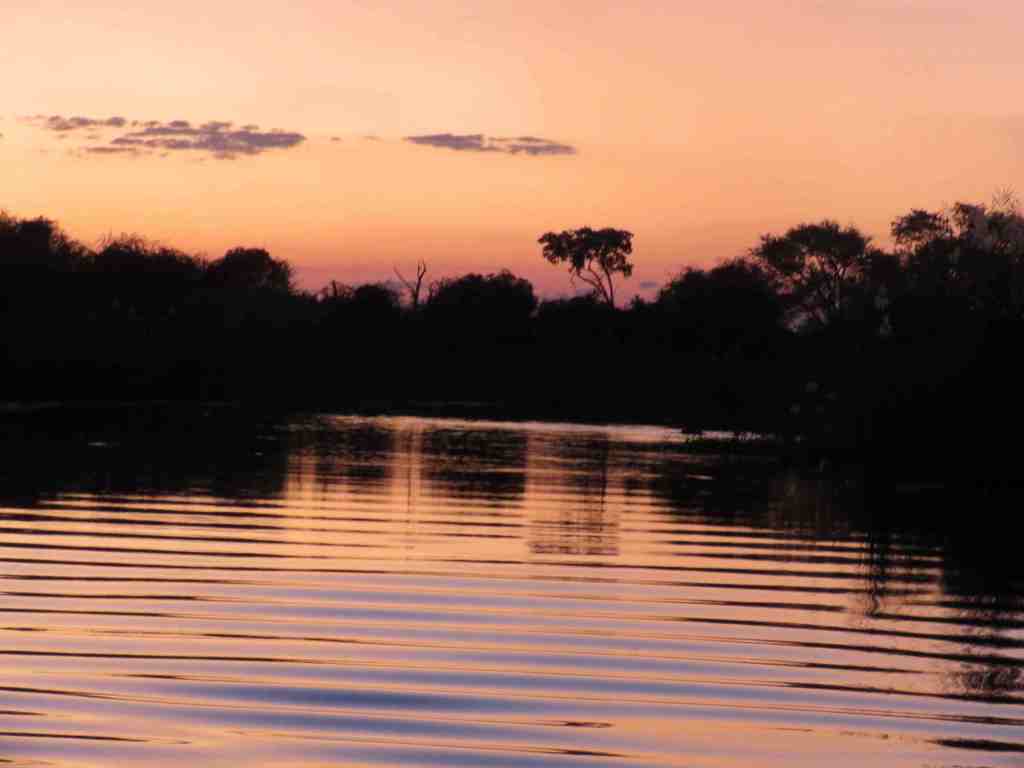
On our way back to the camp we enjoyed the last of the daylight with a magnificent African sunset.

The next morning, we were up early as we had a 400-kilometer drive to Katimo Mulilo. We were now at the westernmost point of our trip and almost 3,000 kilometers from home. We stopped in Katimo Mulilo at the Pick and Pay to buy a few necessities. There I discovered that you cannot buy alcohol in Namibia on a Sunday. Sadly, I put the two bottles of wine back on the shelf and decided to share Alec’s beers for the few days at Zambezi Mubala Camp, our next stop. This camp is close to Katimo Mulilo and on the banks of the Zambezi River.
This is a Gondwana camp and I cannot praise it enough. The staff, especially Katerina the camp manager, were marvelous, the sites were grassed and the separate ablutions were very nice.

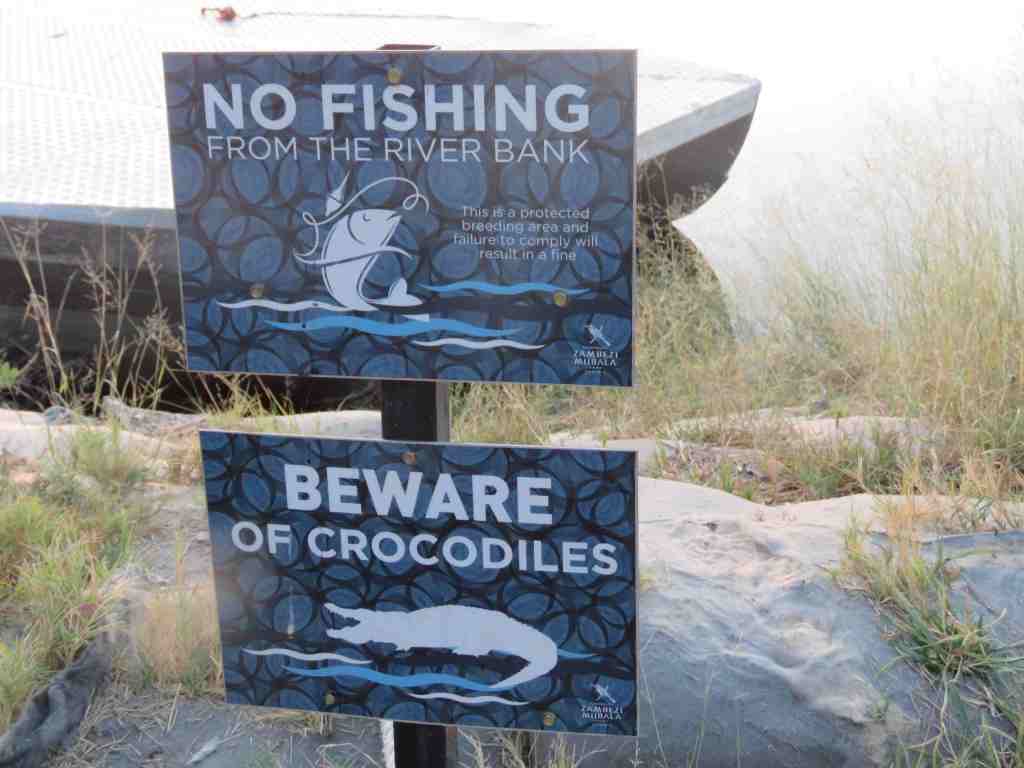


We thoroughly enjoyed our time at this camp, with the only downside being the Vervet Monkeys that tended to cause havoc with anything left open. Still, they were part of our adventure and having experienced them many times before, we simply kept the doors closed.

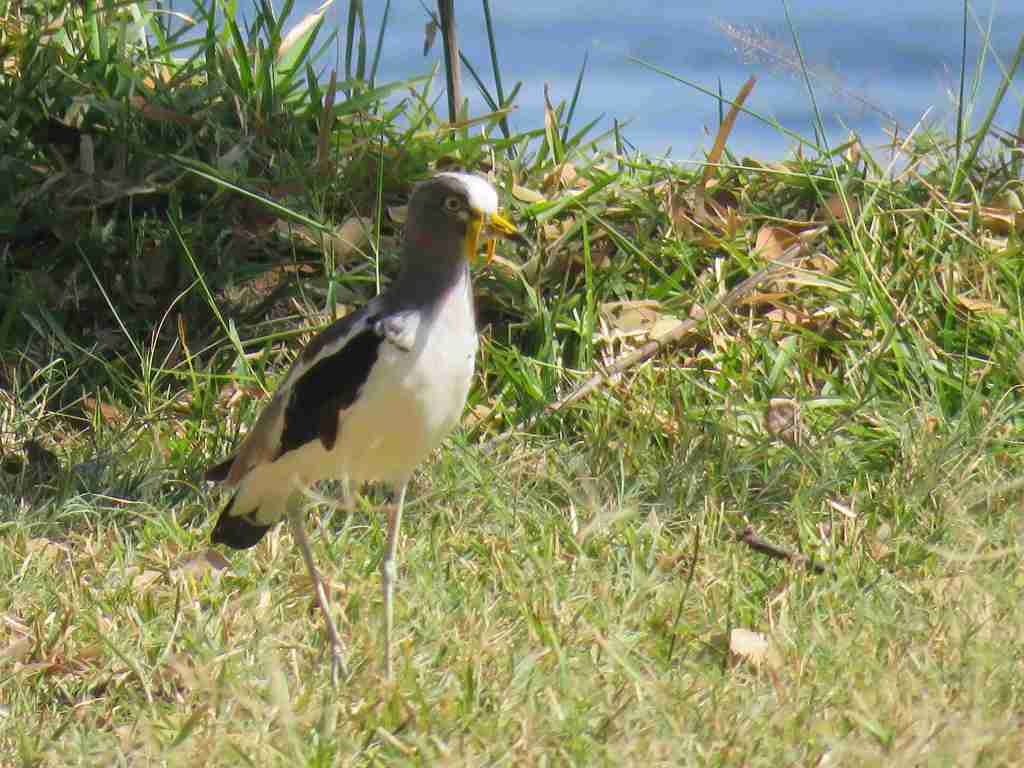
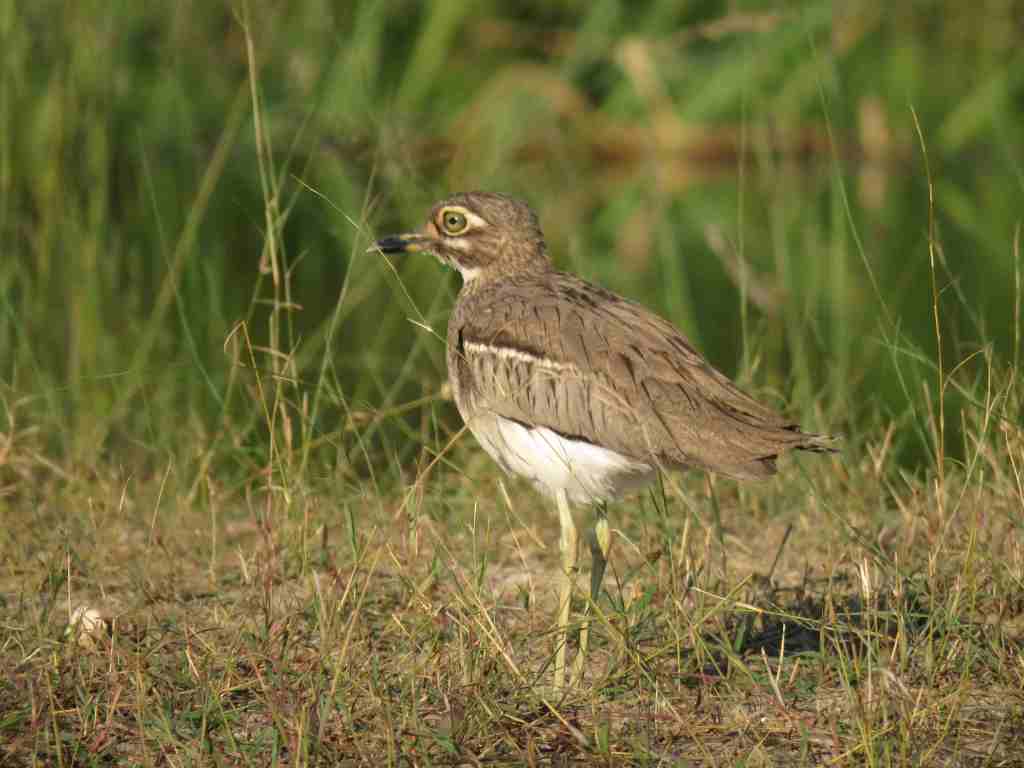
We had a lovely lazy time at this camp and enjoyed the antics of the White-crowned Lapwings and the squirrels.

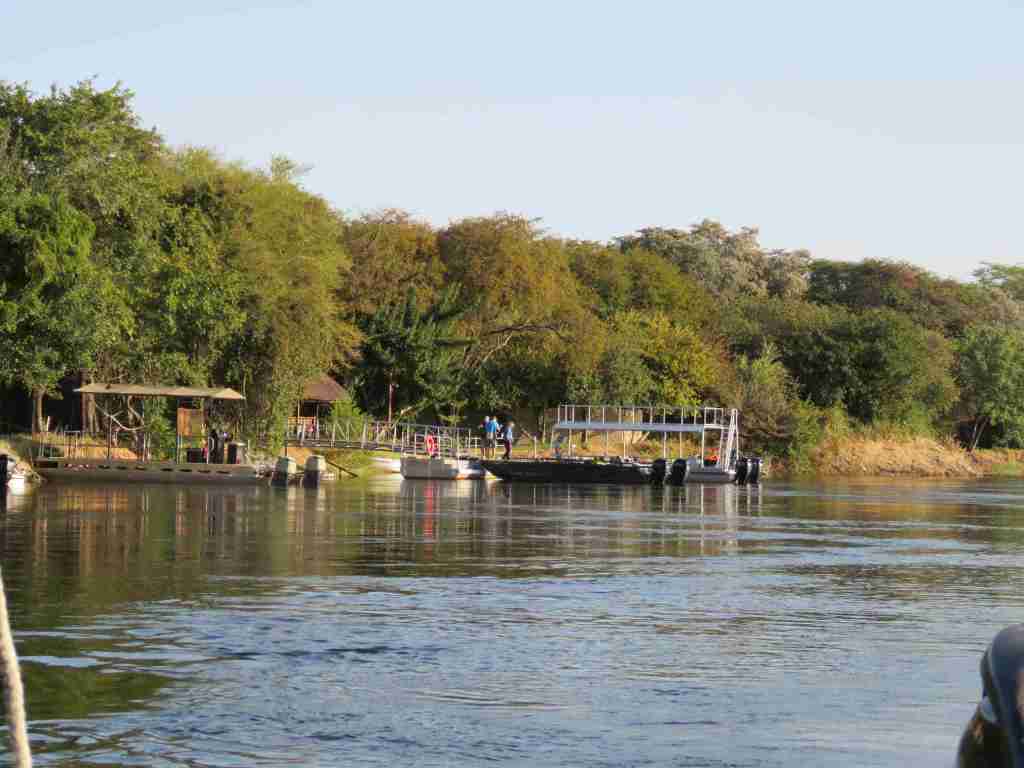
On our last evening, we again took a boat trip on the Zambezi and our guide, Valentine, was fantastic. She identified the birds, and though we saw no animals, it was a lovely sundowner cruise with snacks and drinks included in the cost of the trip. Katerina had arranged for the four of us to have our own boat so we drifted along, looking at the birds and marveling at the size of the Zambezi River.



Editors Note – I’m inclined to go for Great Egret as the top of the legs are black. YB /Intermediate has bicoloured legs where the top of legs are greenish yellow

A tiny Nile Monitor basking in a tree
Again, we were treated to the most magical sunset over the Zambezi River. The trees are on the Zambian bank.

Another magical sunset, over the Zambezi
Having arrived back a little late, we treated ourselves to a delicious dinner in the restaurant. A fantastic way to end a lovely stay at a great camp.

Delicious dinner at the restaurant
Tomorrow morning, we are off to our last camp along the Caprivi, Ngepi Camp at Divundu.
Till then everyone, take care.
 Adventuring into Retirement
We stayed in the Caprivi for two weeks and spent 3 nights at Mubala other side of Katimo mullio .. the vervet monkeys were a real problem. There wifi was also amazing.
LikeLike