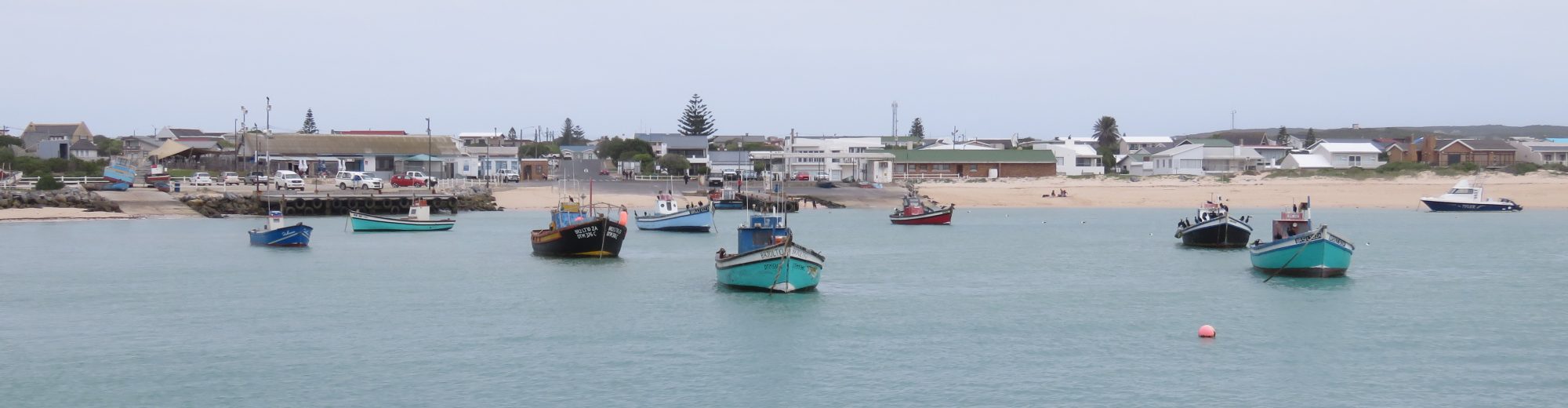

The Earl and I are ex-Capetonians, now happily settled in the slow-paced seaside village of Struisbaai, perched at the southern tip of Africa. Every so often, we return to the Mother City to reconnect with family, catch up with friends, and check in with our trusted medical specialists.
This time, we set off on Sunday 17 August for a two-week visit—and I was unusually well-prepared! I drew up an itinerary, carefully slotting in medical appointments alongside dates with loved ones. Hopefully, no one important was left off the list!
On Sunday, 31 August, we had plans for afternoon tea with my aunt, but the morning was wide open. “Let’s go to our favourite bird watching spot,” I suggested to the Earl, and he readily agreed.
The Strandfontein Birding Area may be part of a wastewater treatment site, but it’s also a shimmering gem within the False Bay Nature Reserve. This reserve includes Rondevlei, Zeekoevlei, Pelican Park, Slangetjiebos, and the Zandwolf Coastal Strip. Strandfontein itself is a RAMSAR-designated wetland and one of the Western Cape’s premier birding destinations. Its wagon-wheel layout of ponds draws flamingos, pelicans, and a dazzling array of other water birds.
I’ve blogged about this special place before and have taken school groups there on several occasions. It never fails to delight.
Note: To view the group of photographs, click on the first one to enlarge it. Use the arrows to navigate the slideshow. Press ‘escape’ to return to the blog post. On your phone, swipe to view each photo and tap the ‘x’ to return to the blog post. You may also need to tap the information icon to view the captions.
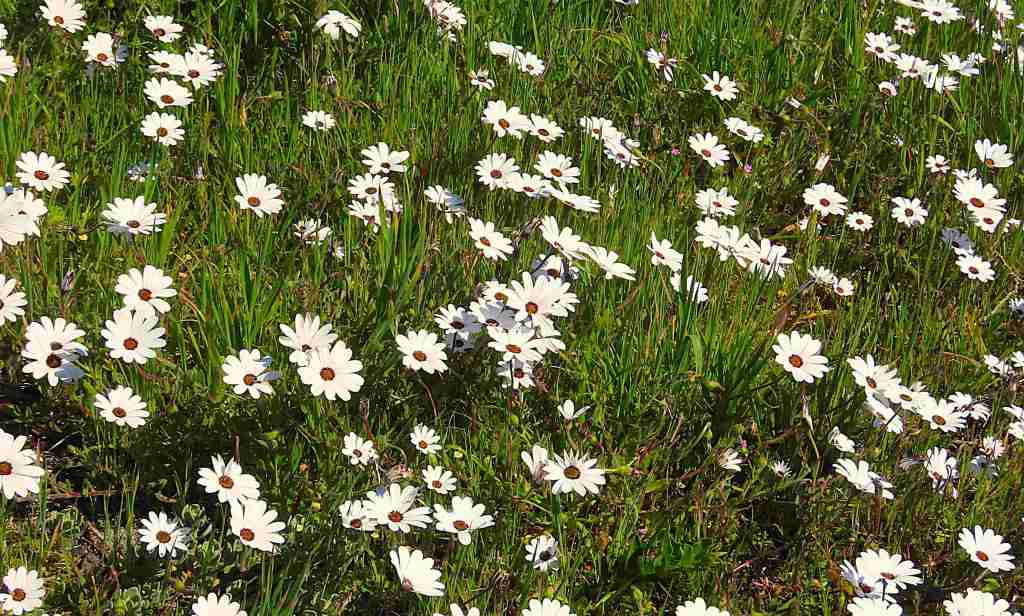
With spring just a breath away, the weather graciously played its part—sunny, warm, and with just a gentle breeze. The ponds lay still, while wildflowers burst into bloom across the park. We were especially enchanted by the arum lilies, though the white daisies and the vibrant yellows, pinks, and purples scattered throughout stole our hearts just as easily.


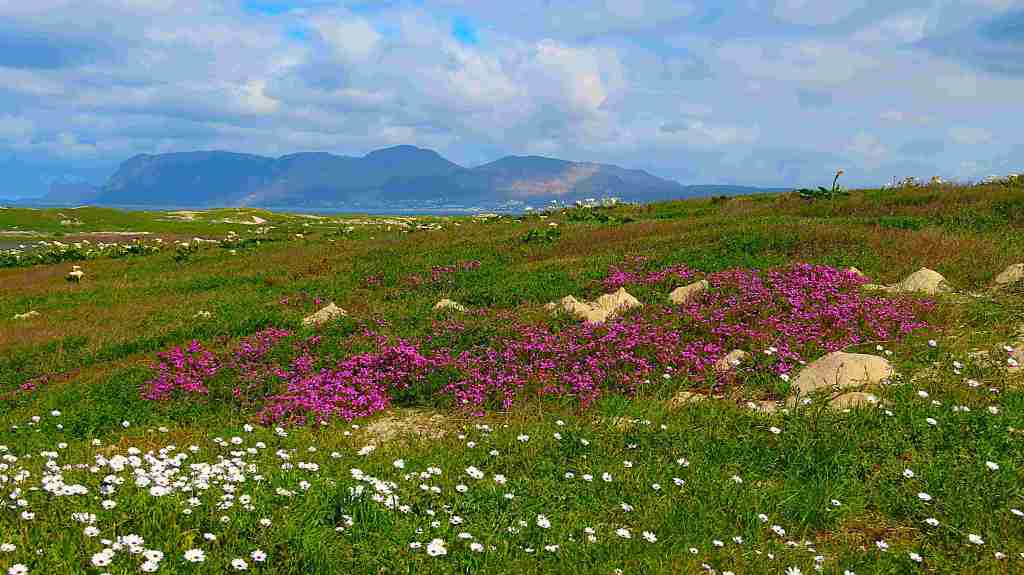



There’s ongoing work to revamp the area and enhance both water quality and habitat diversity. The City of Cape Town, in collaboration with conservation groups, is regrading the settling pans to better accommodate a range of bird species. Reedbed management is also being improved to support breeding birds.
While these upgrades promise long-term benefits, I think that machinery noise and fluctuating water levels seem to have caused many birds to move elsewhere, and with fewer nesting and feeding areas available, the usual avian bustle was noticeably subdued. It’s also a touch early for the migrant waders. There were none in evidence on this day.
Normally, I can count on flamingos, pelicans, and purple swamphens to show up for me and when bringing guests, I usually promise that they will see them! Luckily, it was just us—so no risk of being exposed as a pretender! We did catch sight of flamingos in flight, though they must have settled at a pond we’d already passed. Their elegant fly-over was the only trace they left behind.
We may have missed a few familiar faces, but the drive was delightful, and the birds that graced the ponds were simply gorgeous. Some of the ponds, like the ones pictured below had teams of birds while there was little to be seen on others,


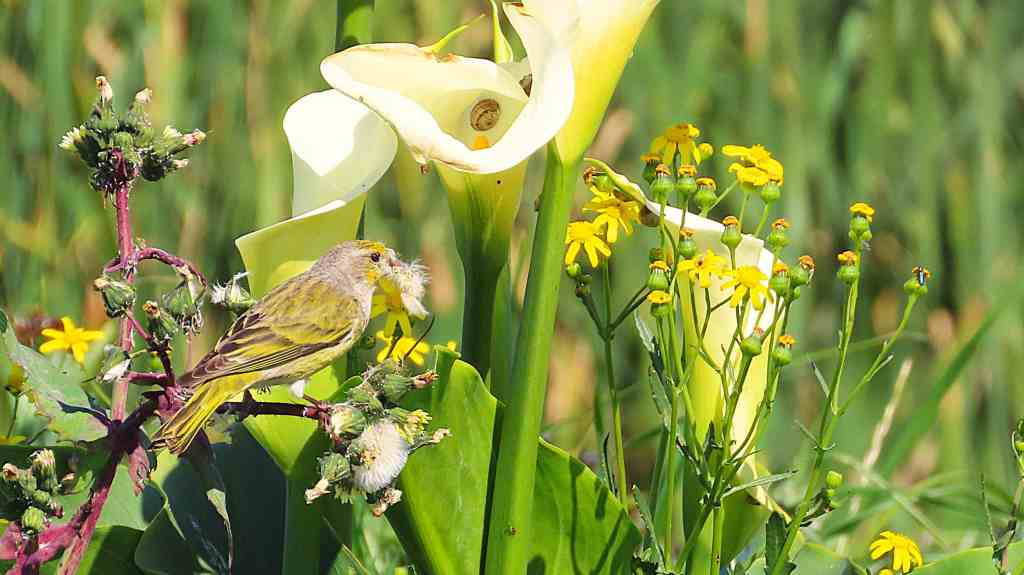
I don’t remember seeing the Cape Canary in this park, but I might have. This one certainly was enjoying the daisies and the arum lilies. The little Levaillant’s cisticola was also good enough to pose but getting that clear shot was not easy with the reeds in he background wanting to take the focus away.




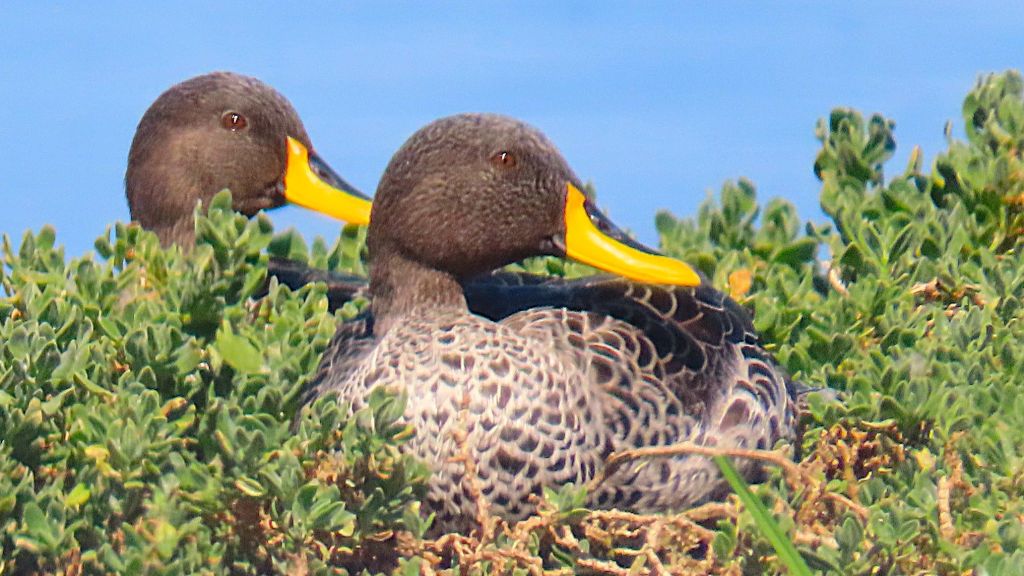
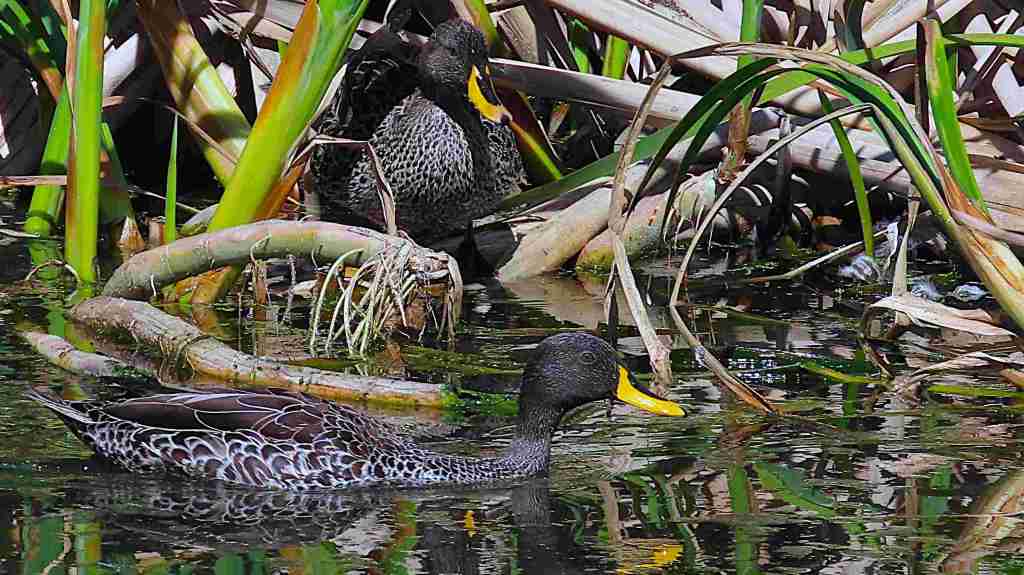
True to form, the Yellow-billed Ducks graced several ponds, ever camera-ready and utterly unfazed by our lens-loving admiration.


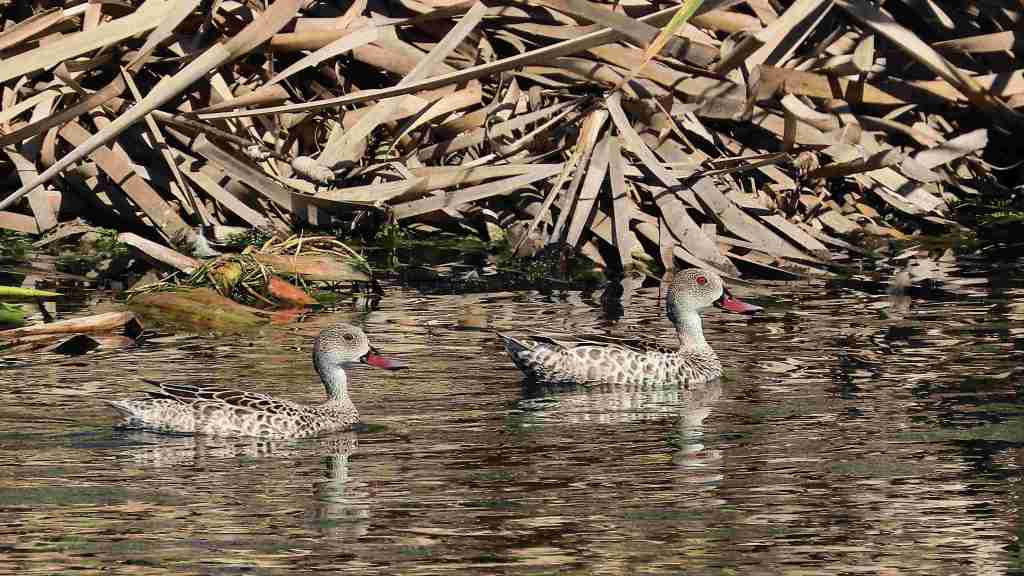
We spotted flocks of Cape Shovellers in the distance and managed to get a couple a little closer for the lens. Cape Teal and red-billed teal were about but we only managed to photograph the Cape. Some Fulvous duck were hiding and we almost missed them. They are not as common as the other ducks.


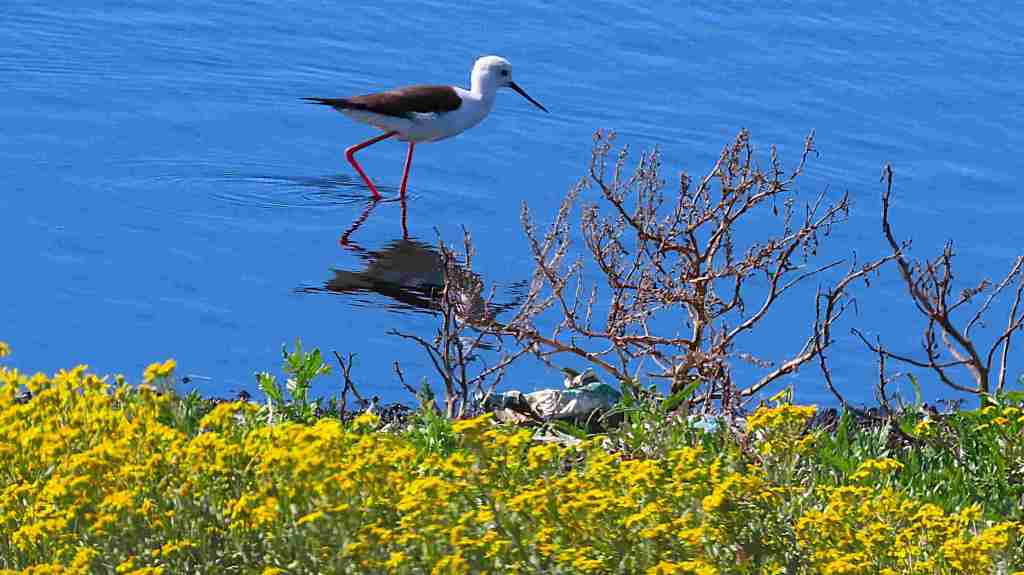
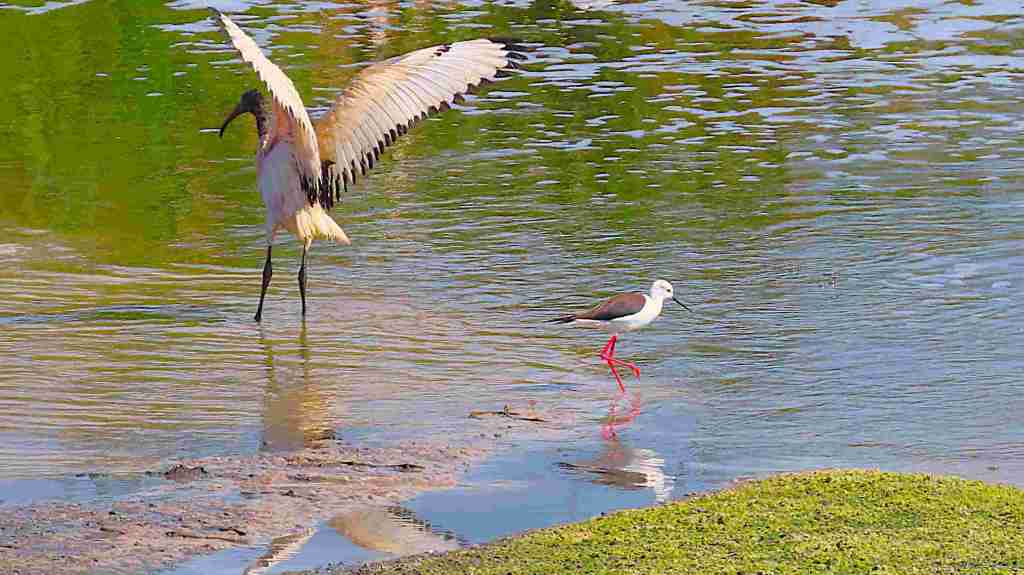
Avocets and stilts made an appearance and seemed to be enjoying the calm ponds. We also found a few blacksmith lapwings but there were not as many as usual.



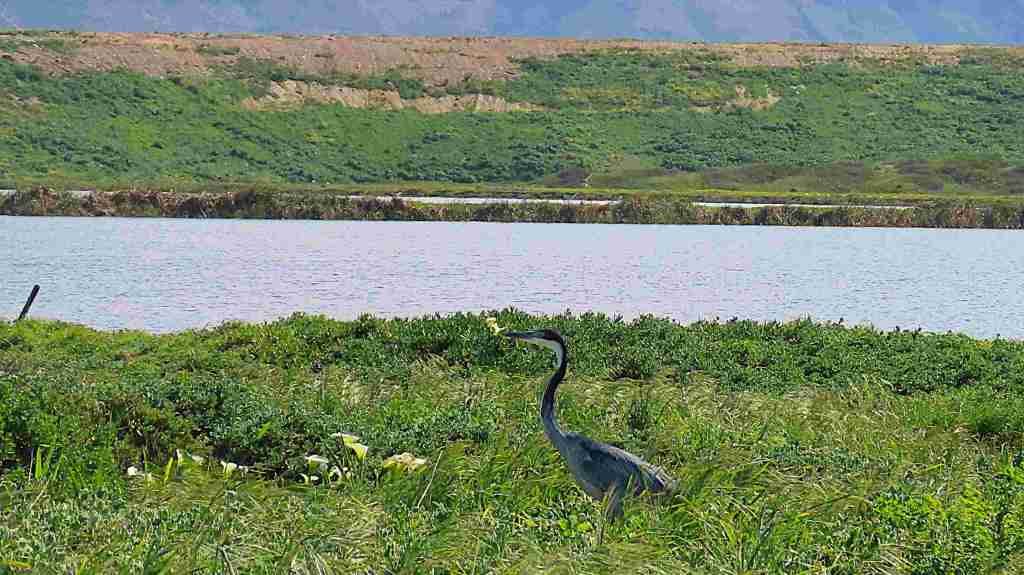
The herons were having a good time too.


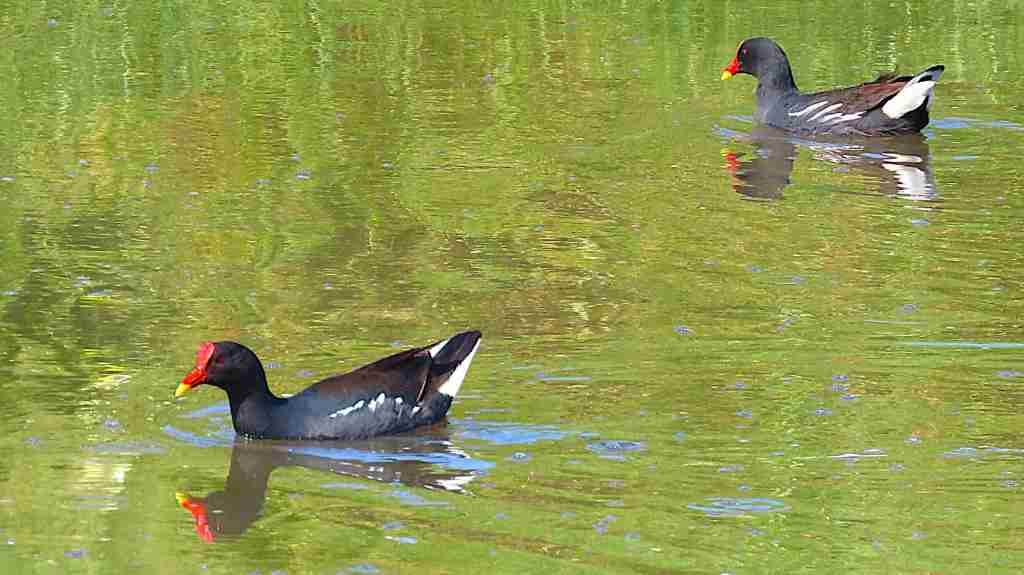
Coots had not left the area and there were a number of faithful moorhen too,


Surprisingly there weren’t many Egyptian Geese. I always think they improve the scenery. There were also a few Spurwings around,


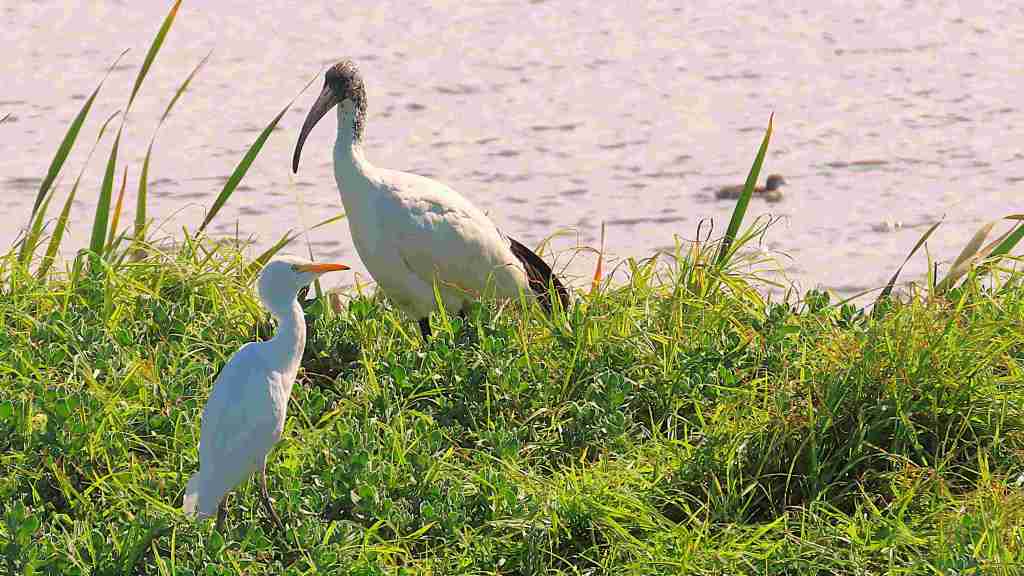
The egrets and ibises were quite entertaining


Even with fewer birds than usual, the reserve offered its own quiet charm—a reminder that nature doesn’t always need to dazzle to restore. We left with full hearts, grateful for the stillness, the spring blooms, and the joy of simply being.
 Adventuring into Retirement
Thanks for sharing this spot – great photos, and wow what a wide variety of birds. I visited Cape Town for the first time in June for a quick visit – I’m really looking forward to returning to visit more places like this.
LikeLiked by 1 person
This is one of our best hidden gems, Bob
LikeLiked by 1 person
Fabulous post Helen. The photos are great!
LikeLiked by 1 person
Thank you Di. It is a very special place.
LikeLiked by 1 person
What a delightful post – marvellous to see so many birds in lovely surroundings. Plenty of flowers around too, I see 🙂
LikeLiked by 1 person
It is a magical place. Anne
LikeLiked by 1 person
A hidden gem indeed Helen. So many birds and fabulous photos. I am so jealous and wold have felt full restored as well
LikeLiked by 1 person
It is a very special place, Brian. I got fully into bird watching after my first visit there
LikeLiked by 1 person
glad you enjoyed it Helen! Stunning photos! 😀
LikeLiked by 1 person
One of the best birding spots and beautifully brought to life by your words and photos
LikeLiked by 1 person
Thank you, Don
LikeLike